
Oklo's Groves Isotope Test Reactor Achieves First Criticality, Fifth Reactor in U.S. Department of Energy Test Reactor Program Successfully Started
 Scan to share
The Groves Isotope Test Reactor under Oklo, an advanced nuclear fission company in the United States, has officially achieved first criticality. The U.S. Department of Energy (DOE) confirmed that the reactor successfully reached criticality at 9:19 p.m. Eastern Time on Wednesday at the Groves site in Lockhart, Texas, becoming the fifth advanced test reactor to achieve criticality under the DOE's dedicated authorization and regulatory pathway.
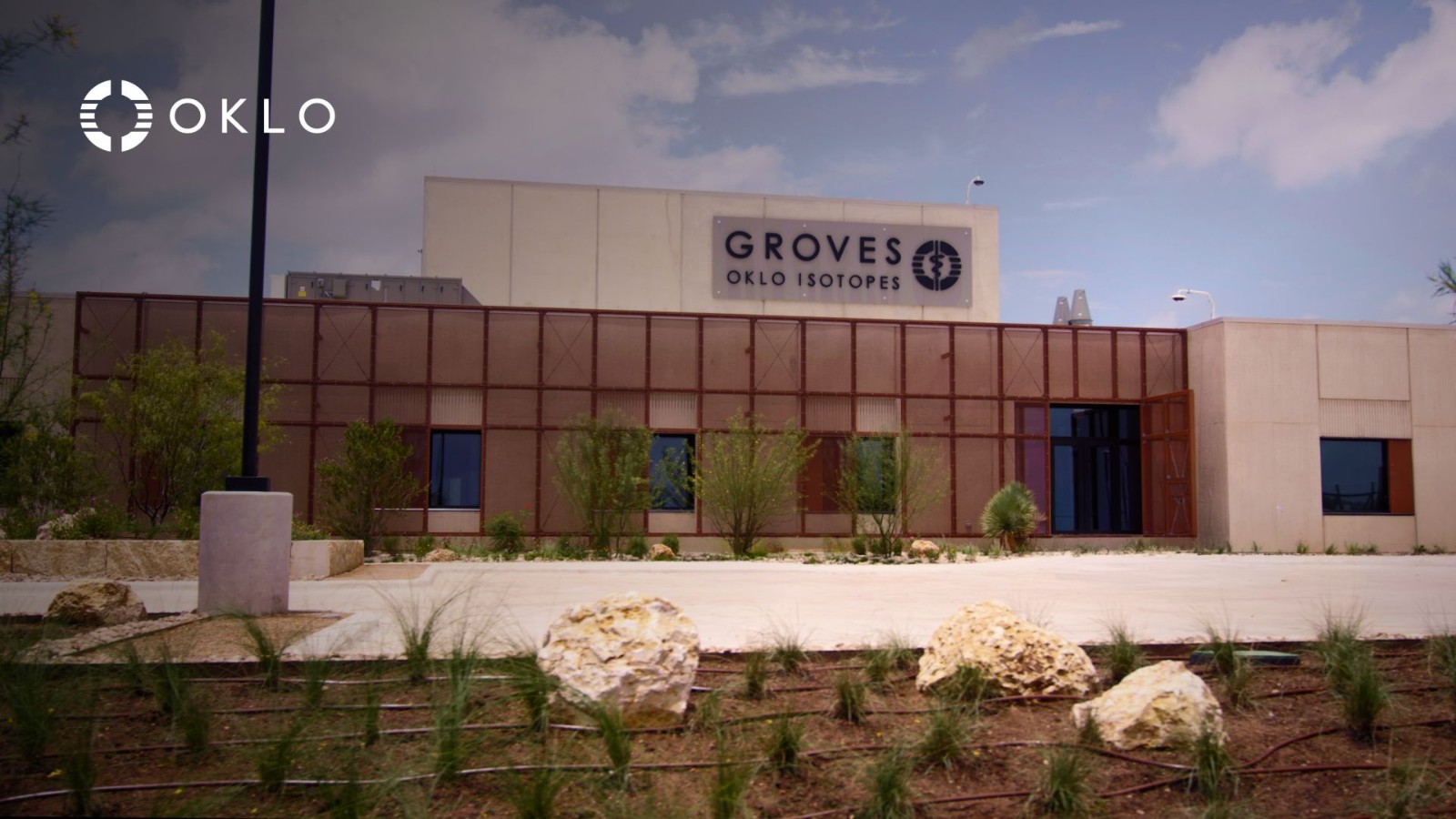
The Groves Isotope Test Reactor has a thermal power of 15 megawatts (MWt) and adopts an atmospheric-pressure water-cooled pool-type reactor design. It is led by Oklo Isotopes, a subsidiary of Oklo focused on medical and industrial isotope production. This business originated from Oklo's 2025 acquisition and integration of Atomic Alchemy, a radioisotope production startup. In addition to this isotope reactor type, Oklo, headquartered in Santa Clara, California, is also concurrently advancing the 75-megawatt electric metal-fueled liquid-metal-cooled “Aurora Powerhouse” and the plutonium-fueled “Pluto” reactor project.
Prior to this criticality achievement, under the reactor accelerated testing strategy set by Executive Order 14301, the United States had already promoted the deployment of multiple private microreactors with support from the DOE's Reactor Pilot Program (RPP) and related initiatives——test reactors from Antares and Valar Atomics achieved criticality in June successively, and Deployable Energy and Aalo Atomics also successfully started their reactors in early July. It is worth noting that the previous four reactors were all sited at federal or state research facilities such as Idaho National Laboratory (INL) or the San Rafael Energy Lab in Utah, whereas the Groves test reactor is the first reactor to complete civil construction, approval, and achieve criticality entirely on a private greenfield site.
Oklo co-founder and CEO Jacob DeWitte stated that the team completed the full set of civil excavation, equipment procurement and manufacturing, nuclear fuel loading, and independent operating program development from an undeveloped greenfield site in less than a year, establishing a new benchmark for the rapid engineering deployment of advanced reactors. Texas Governor Greg Abbott congratulated the project on its progress and noted that the successful startup of this reactor will directly empower the construction of the U.S. domestic medical isotope supply chain and consolidate Texas's innovative position in the next generation of advanced nuclear energy.
Disclaimer: Information republished from partner media, institutions or other websites is provided for reference and communication purposes only. It does not imply endorsement of its views or verification of its accuracy. Please contact us if any content infringes rights or requires correction.