
Bangladesh and the United States Sign Memorandum of Understanding on Strategic Civil Nuclear Cooperation
 Scan to share
Bangladesh and the United States formally signed a Memorandum of Understanding (MoU) on strategic civil nuclear cooperation in New York, aimed at deepening strategic collaboration between the two countries in the peaceful uses of nuclear energy. Rehan Asad, Science and Technology Adviser to the Prime Minister of Bangladesh, and Jacob Helberg, U.S. Under Secretary of State for Economic Growth, Energy, and the Environment, signed the agreement on behalf of their respective sides.
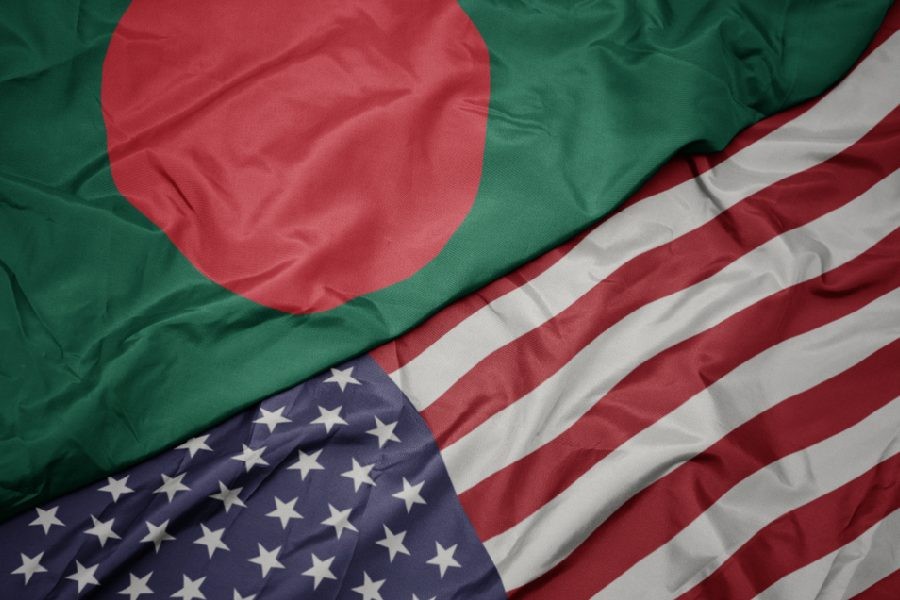
The signing of this agreement comes at a time when Bangladesh is actively pursuing a strategic transition to expand and diversify its long-term energy supply structure. Currently, the country is relying on Russian technology to advance the construction of two VVER-1200 units at its first nuclear power plant—Rooppur Nuclear Power Plant—while extensively seeking multilateral civil nuclear science and technology cooperation internationally to enhance the baseload resilience and technological self-reliance of the national grid.
Under the terms of the MoU, both the United States and Bangladesh reaffirmed the strategic significance of their diplomatic relations in the dimensions of regional and international security (particularly energy security), and fully recognized the supporting role that nuclear energy can play in meeting the two countries' future long-term clean electricity needs. The agreement explicitly stipulates that all bilateral cooperation in the civil nuclear energy field must strictly comply with the highest international standards of nuclear safety, nuclear security, safeguards, and non-proliferation.
The document also emphasizes that both the United States and Bangladesh have formally signed and brought into force the International Atomic Energy Agency (IAEA) Comprehensive Safeguards Agreement and its Additional Protocol, and both are States Parties to the Treaty on the Non-Proliferation of Nuclear Weapons (NPT). Previously, the two sides signed a memorandum of strategic cooperation covering a broad range of energy fields in May; the latest agreement reached this time focuses more precisely on civil nuclear energy technology, safety regulation, and peaceful uses, laying a solid bilateral framework for subsequent cooperation between the two countries in areas such as advanced reactor technology exchange and nuclear energy personnel training.
Disclaimer: Information republished from partner media, institutions or other websites is provided for reference and communication purposes only. It does not imply endorsement of its views or verification of its accuracy. Please contact us if any content infringes rights or requires correction.