
Finland's Onkalo Repository to Be Commissioned, Experts Say 100,000-Year Safety Assessment Still Faces Uncertainties
 Scan to share
Finland's Olkiluoto is about to commission the world's first permanent deep geological repository for spent nuclear fuel——Onkalo. The facility is designed for long-term underground containment of spent fuel, with a design safety period of up to 100,000 years. There remains debate within the nuclear industry over whether such facilities can remain safe over such an immense timescale.
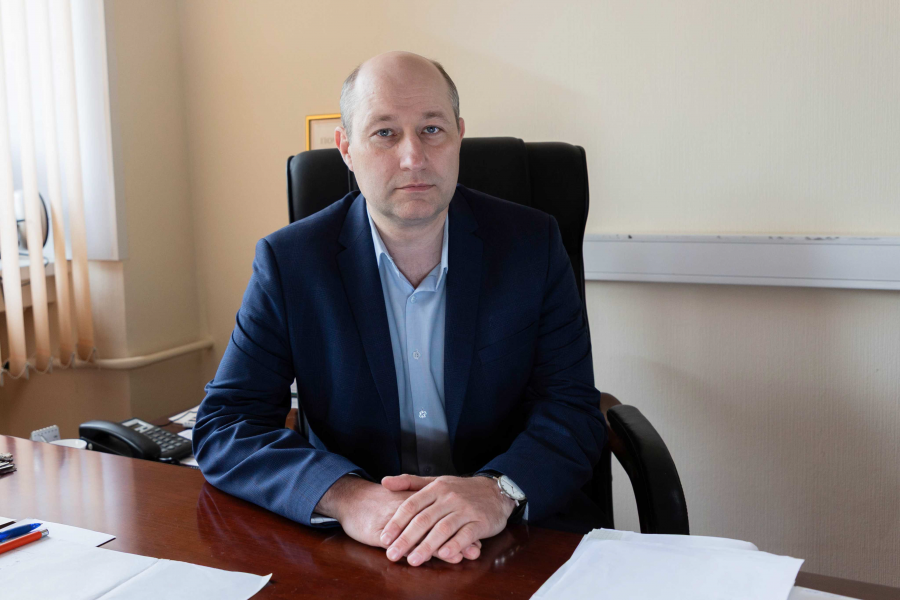
Dmitry Pripachkin, head of the Department of Radiation Physics and Nuclear Technology Safety at the National Research Nuclear University MEPhI (Moscow Engineering Physics Institute), stated that modern science does not yet possess tools capable of reliably predicting the state of such facilities after 100,000 years. Science can study the evolution of geological formations over long historical periods, yet there remain clear limitations in making highly reliable predictions about changes on a comparable scale in the future.
He believes this means the safety of such facilities relies heavily on engineering standards and regulatory requirements established today, which may be adjusted as technology, understanding, and societal judgments evolve. Therefore, the evaluation of deep geological disposal projects inevitably extends beyond the realm of pure science.
Pripachkin noted that in the absence of sufficient experimental data, safety decisions made for timescales of tens of thousands to one hundred thousand years inevitably carry a degree of policy judgment, and will simultaneously have both supporters and opponents.
Regarding whether future advanced technologies might extract useful components from spent fuel, recover radioactive waste, and reduce its hazard level, Pripachkin believes that the development of reprocessing and recycling technologies could indeed alter the scale of deep geological disposal, but is unlikely to completely replace it.
He stated that the final disposal of high-level radioactive waste is very difficult to avoid entirely. Deep geological disposal is primarily aimed at Class I and Class II radioactive waste, which pose the highest hazards. Future technological advances may reduce waste volumes or allow certain materials to be reclassified into lower hazard categories, thereby reducing the required scale of underground disposal facilities, but this does not mean such facilities will no longer be needed.
In his view, if recycling can lower the hazard level of waste, the scope of deep geological disposal can be correspondingly reduced. However, for high-level radioactive waste, deep geological disposal remains a necessary option, and relevant engineering experience must continue to be accumulated.
In contrast, continuing to store high-level radioactive materials in surface or near-surface facilities over the long term is not a preferable option. Experts believe such an approach would allow nuclear waste to accumulate continuously and would perpetually delay the resolution of final disposal, which is detrimental to long-term safety and the development of the nuclear industry.
Disclaimer: Information republished from partner media, institutions or other websites is provided for reference and communication purposes only. It does not imply endorsement of its views or verification of its accuracy. Please contact us if any content infringes rights or requires correction.