
Honeycomb Materials Cross Over into Nuclear Energy: The Gill Corporation Enters the Radioactive Material Container Market
 Scan to share
Basque Country-based company The Gill Corporation is applying its proven “honeycomb” structural material technology to the field of radioactive material containers, thereby entering the nuclear energy industry chain. The so-called honeycomb structure is typically known for its lightweight nature, high strength, impact resistance, and stable support, and has historically been used more in aerospace, transportation, or industrial composite applications; its current use in nuclear-related containers indicates that traditional high-performance materials companies are seeking new growth opportunities against the backdrop of the nuclear energy renaissance.
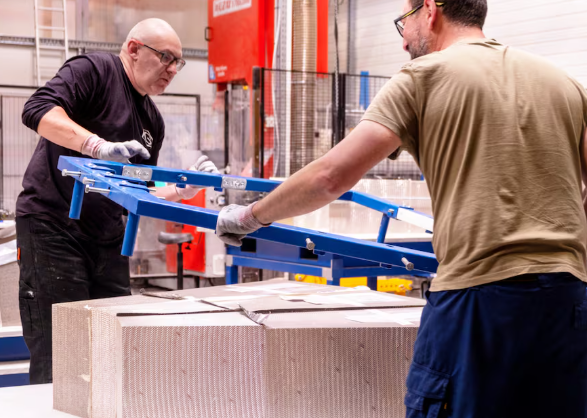
The transport and storage of radioactive materials impose extremely high safety requirements on containers, which must not only account for mechanical strength, vibration resistance, and impact tolerance, but also meet long-term reliability, traceability, and stringent industry certification. The Gill Corporation's “adaptation” of its existing material capabilities to this scenario is not just about changes in product form; the key lies in crossing the high barriers of the nuclear industry in terms of quality systems, compliance review, and customer validation.
This case also reflects a trend in Europe's nuclear energy industry chain: as demand for nuclear power plant life extension, new construction projects, and fuel cycle activities heats up, the supporting market around equipment, materials, packaging, transportation, and maintenance is becoming active once again. For mid-sized industrial companies, nuclear energy does not necessarily mean directly manufacturing core reactor equipment; rather, they can enter through niche segments, participating in the value chain division of labor with specialized materials, structural components, or safety parts.
From an industrial competition perspective, the entry of honeycomb materials into the radioactive material container market embodies the approach of “reapplication of existing technology.” Companies do not need to develop nuclear industry products entirely from scratch; instead, they can build on existing processes, customer experience, and engineering capabilities to adapt and validate against nuclear industry standards. If they can steadily pass certification and secure orders, such crossovers will help companies reduce their dependence on a single industry cycle and may also enhance their bargaining power in high-value-added industrial markets.
Disclaimer: Information republished from partner media, institutions or other websites is provided for reference and communication purposes only. It does not imply endorsement of its views or verification of its accuracy. Please contact us if any content infringes rights or requires correction.