 Scan to share
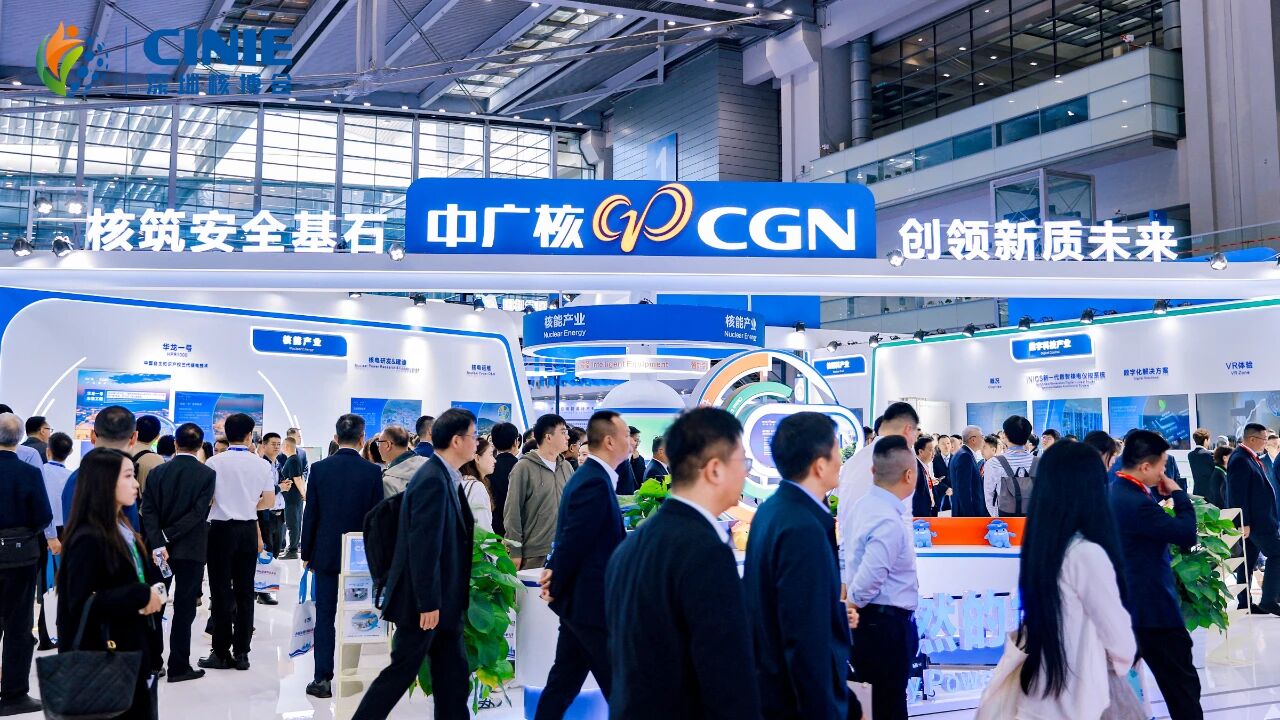
 During the 2025 Shenzhen Nuclear Expo, CGN made a prominent appearance at the exhibition hall with its core achievements in the nuclear industry chain. From the national heavyweight "Hualong One" to the smart equipment team, from the digital "brain" to the application of nuclear technology in daily life, CGN showcased more than 30 hard-core exhibits to demonstrate its strength and responsibility in an all-round manner. Among them, the newly released next-generation digital instrumentation and control system for nuclear power plants and multiple robots applied in the nuclear field were particularly eye-catching, attracting coverage and reports from China Central Television.
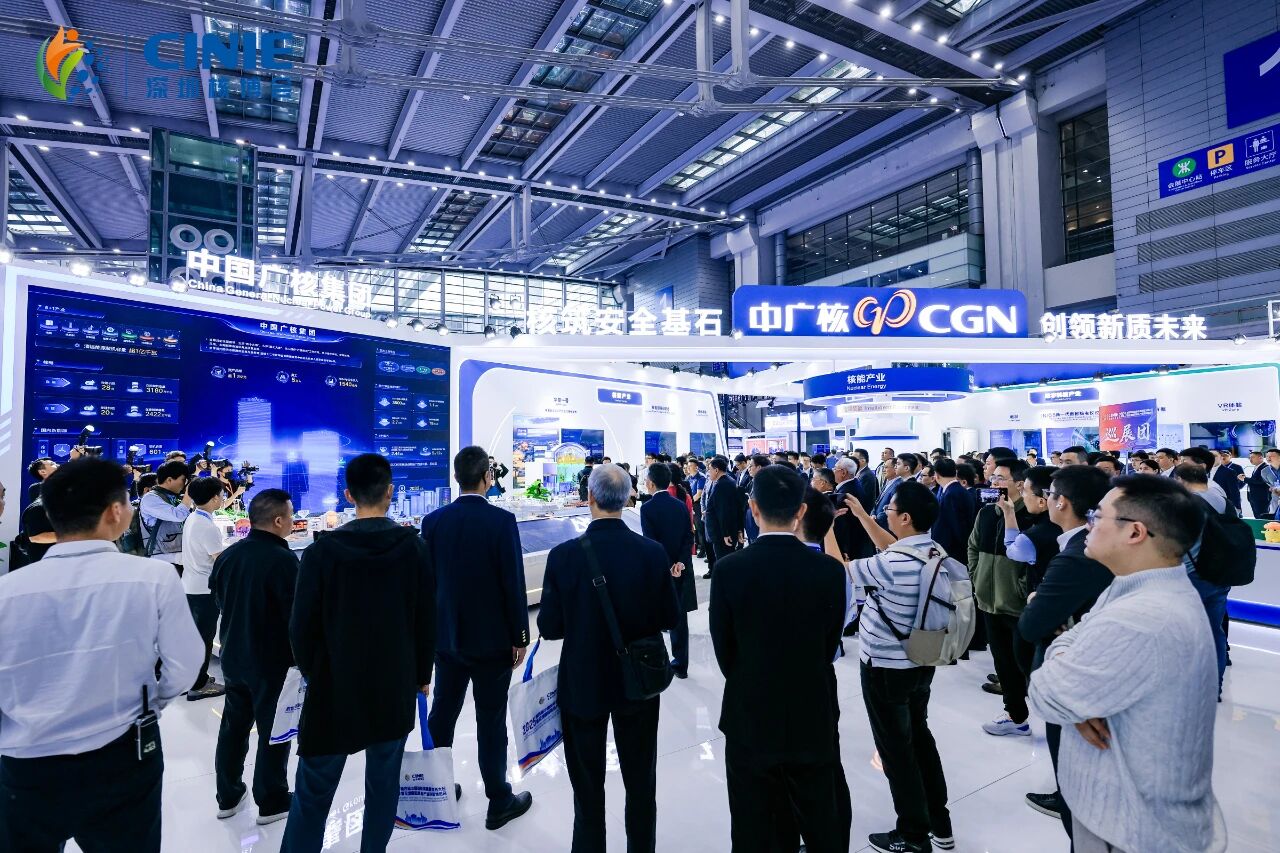
Next-Generation Digital I&C System for Nuclear Power Plants Launched
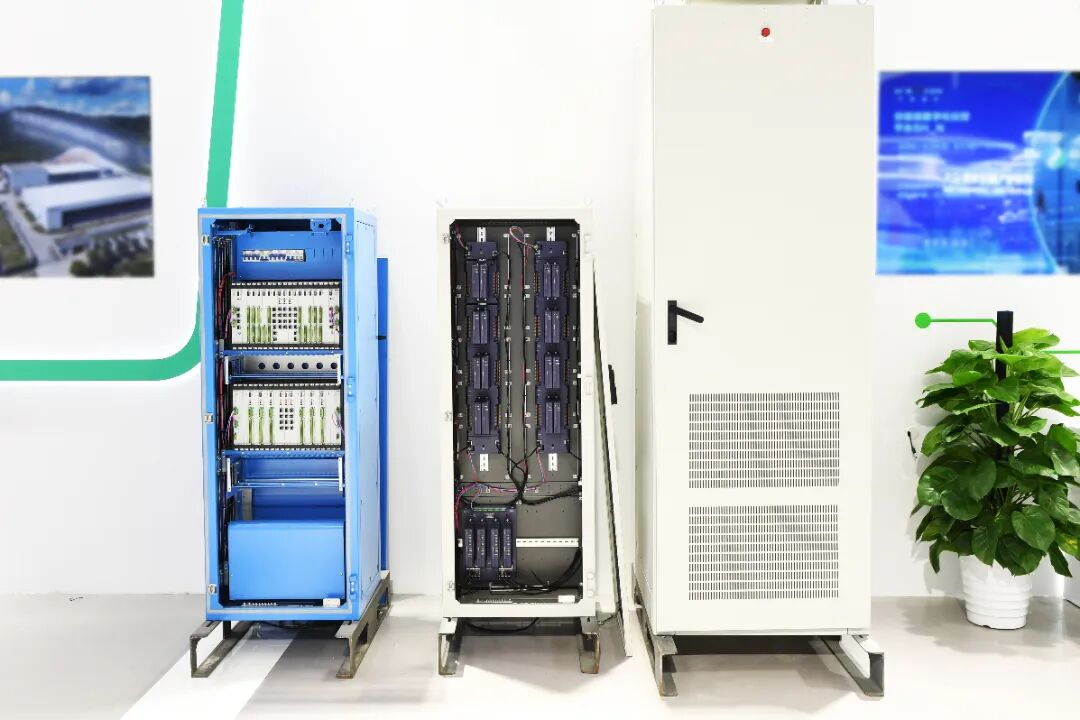
The "Next-Generation Intelligent Industrial Control System Product Suite" is a new-generation nuclear power I&C system product independently developed by CGN based on the "Harmony System". This system deeply integrates digital twin, virtual simulation, artificial intelligence and other technologies, forming a total of 20 products in 4 categories, including new DCS physical entities, new DCS virtual entities, new development tools, and new service platforms, among other diverse product systems. It drives the evolution of DCS from "automatic control" single-point devices to an open ecosystem of "intelligent services", providing nuclear power plant operators with intelligent functions such as fault diagnosis and early warning, online monitoring and inspection, and intelligent decision support, making nuclear power plant operations safer and smarter.
New Robots Empower Nuclear Power Operation and Maintenance
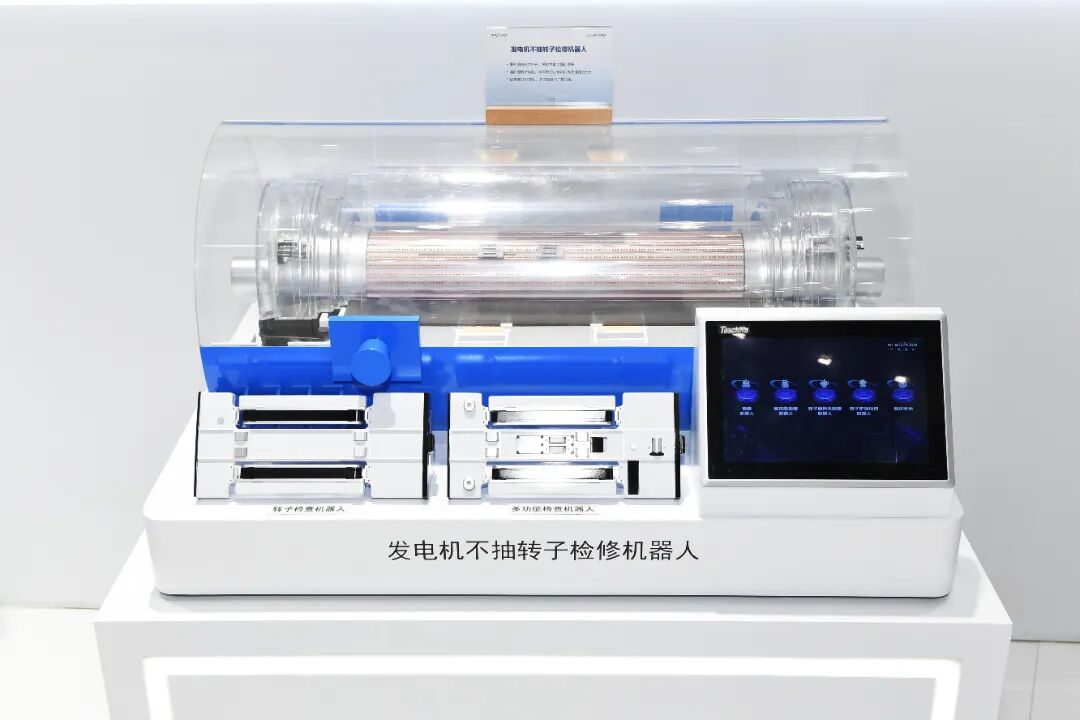
At the exhibition, the star equipment "Wukong" robot family attracted numerous fans. Eight functional robots can penetrate the gap between the stator and rotor to perform "precision physical examinations" without the need to extract the 233-ton generator rotor, capturing hair-thin stator loosening defects and completing repairs within 30 minutes. They now cover mainstream generator models, bringing nuclear power maintenance into a new intelligent phase.
Specialized I&C (3R) System for Nuclear Facilities
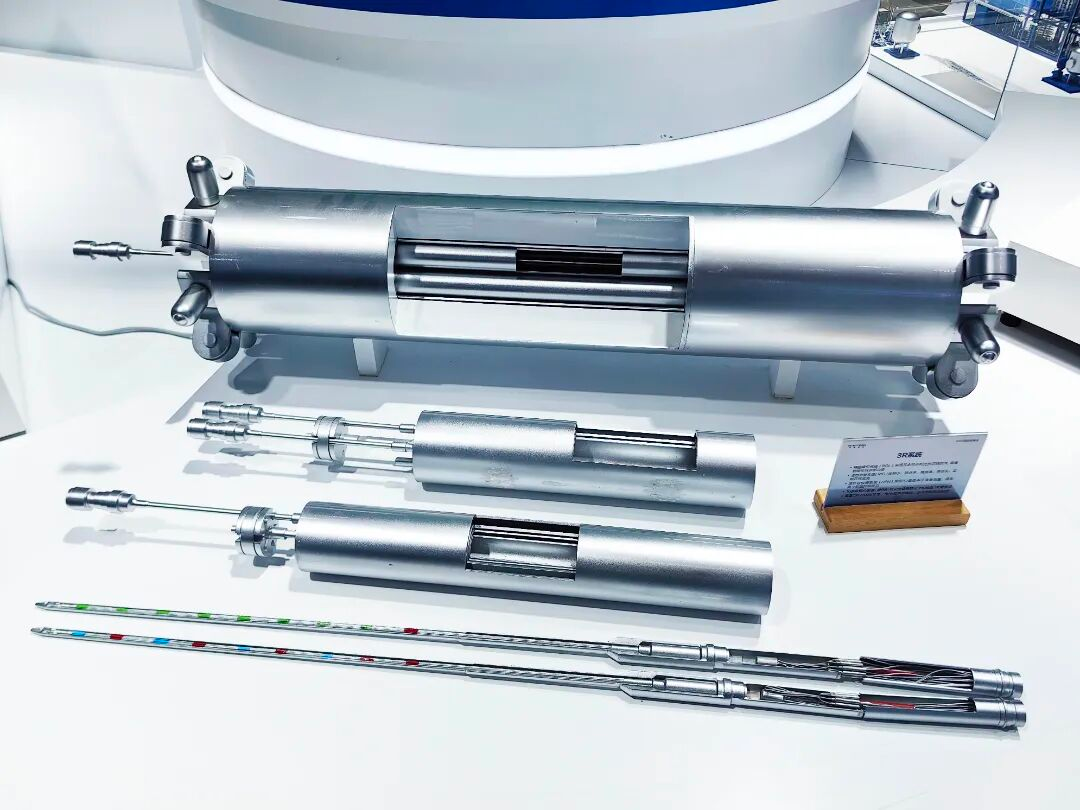
The 3R system within the specialized I&C system for nuclear facilities is extremely critical to the reactor, functioning like the human hands, eyes, and ears. RGL (Rod Control and Position Indication System) is the "hand", precisely controlling rod position; RIC (In-core Instrumentation System) is the "eye", monitoring information inside the core; RPN (Ex-core Nuclear Instrumentation System) is the "ear", capturing key information such as reactor power. With the 3R system, the reactor can "hear clearly, see accurately, and control steadily", ensuring the design goals of "precise control and real-time monitoring".
Pipeline Foreign Object Removal Robot
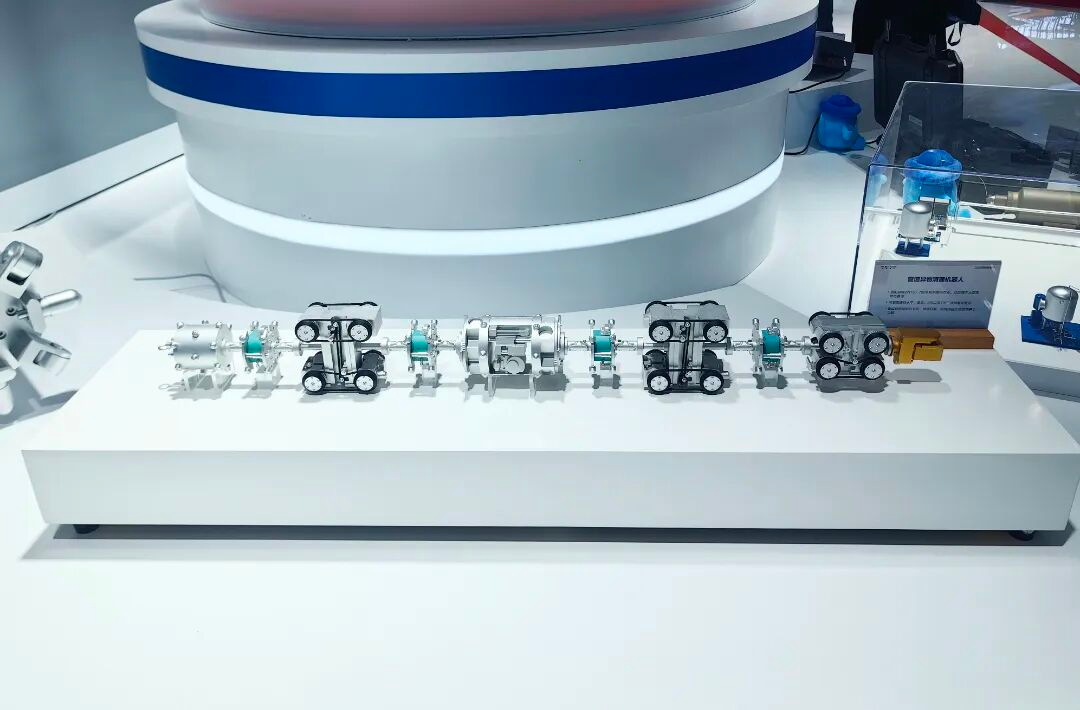
The pipeline foreign object removal robot can go deep into pipelines to detect cracks and retrieve foreign objects, easily handling complex tasks.
Marine Organism Cleaning Robot for Intake Tunnels
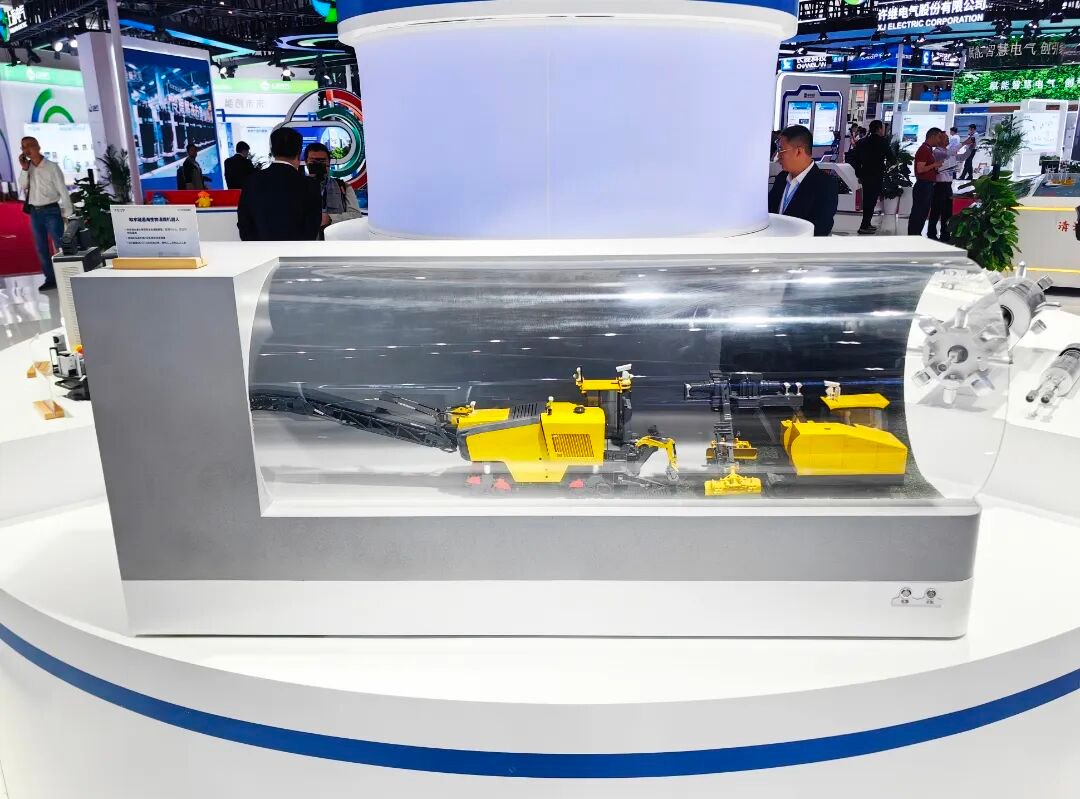
The marine organism cleaning robot for intake tunnels is the first large-diameter tunnel cleaning equipment in China, capable of unmanned removal of marine organisms and silt.
Portable Laser Decontamination
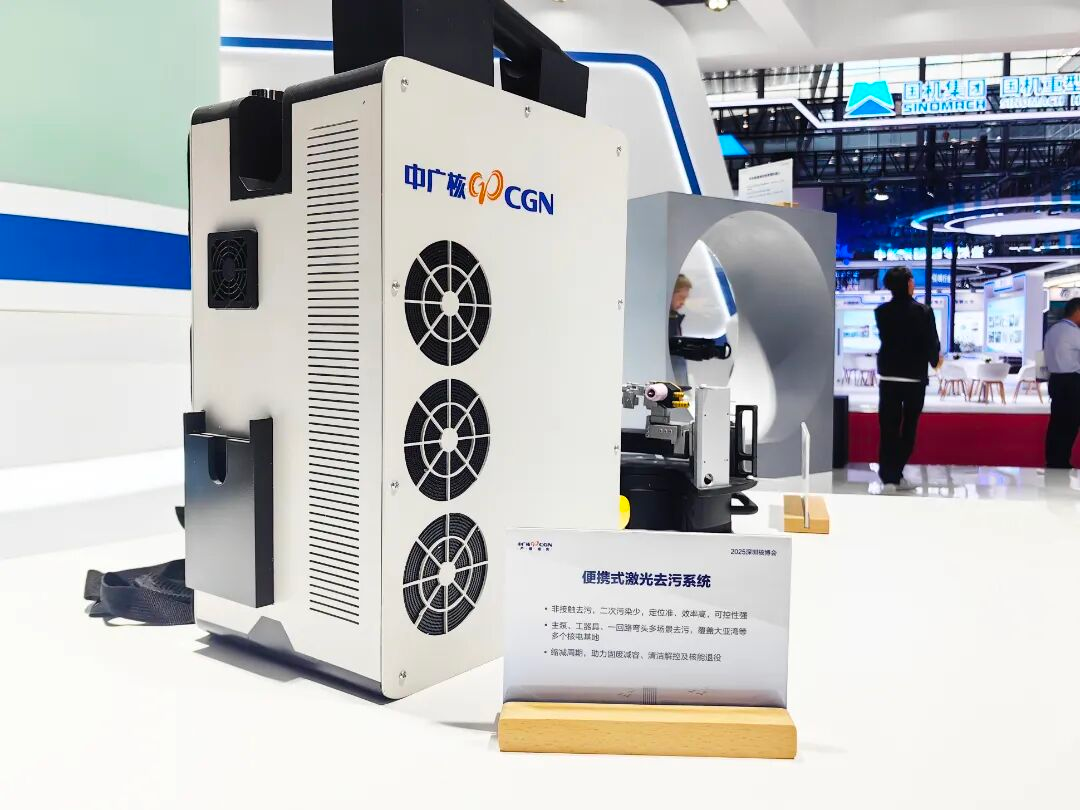
The non-contact "laser toothbrush" strips contaminants, with efficiency five times that of traditional methods and no secondary pollution.
Underwater Radiation-Resistant High-Definition Camera System
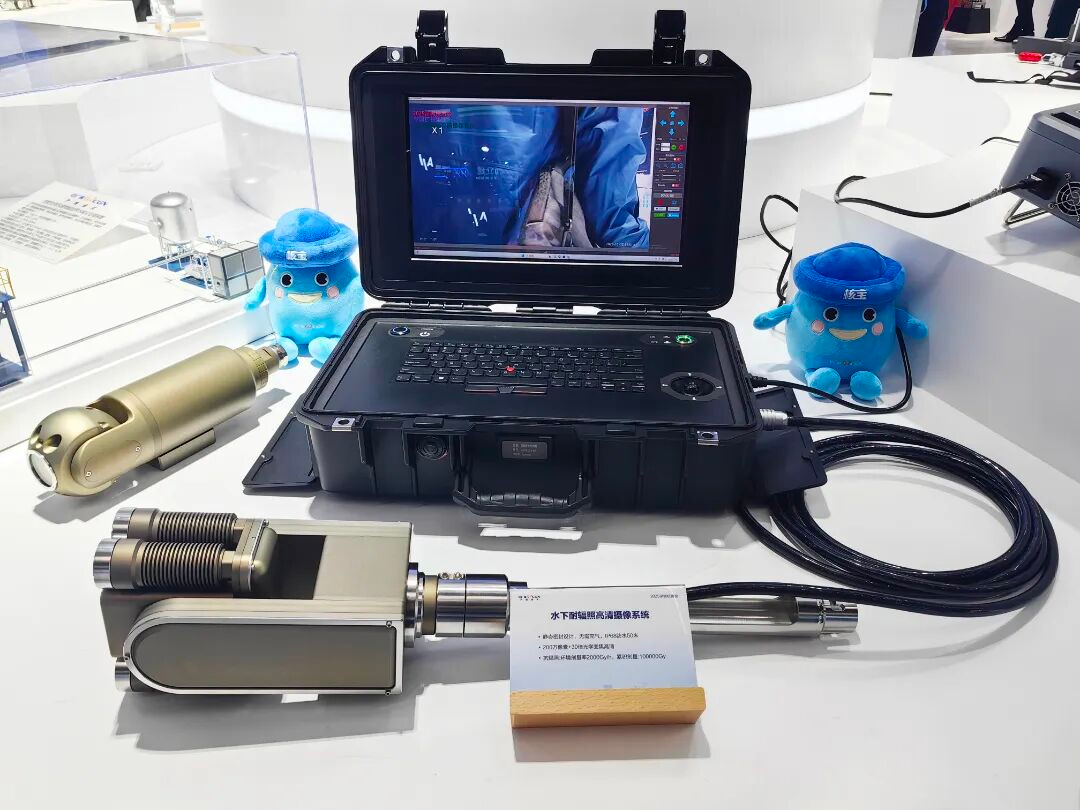
The underwater radiation-resistant high-definition camera system can operate stably in high-radiation environments up to 2000 Gy/h, capturing high-definition images at depths of 50 meters, assisting in in-core inspections.
Caliper-Type All-Position TIG Autogenous Welding System C-Head
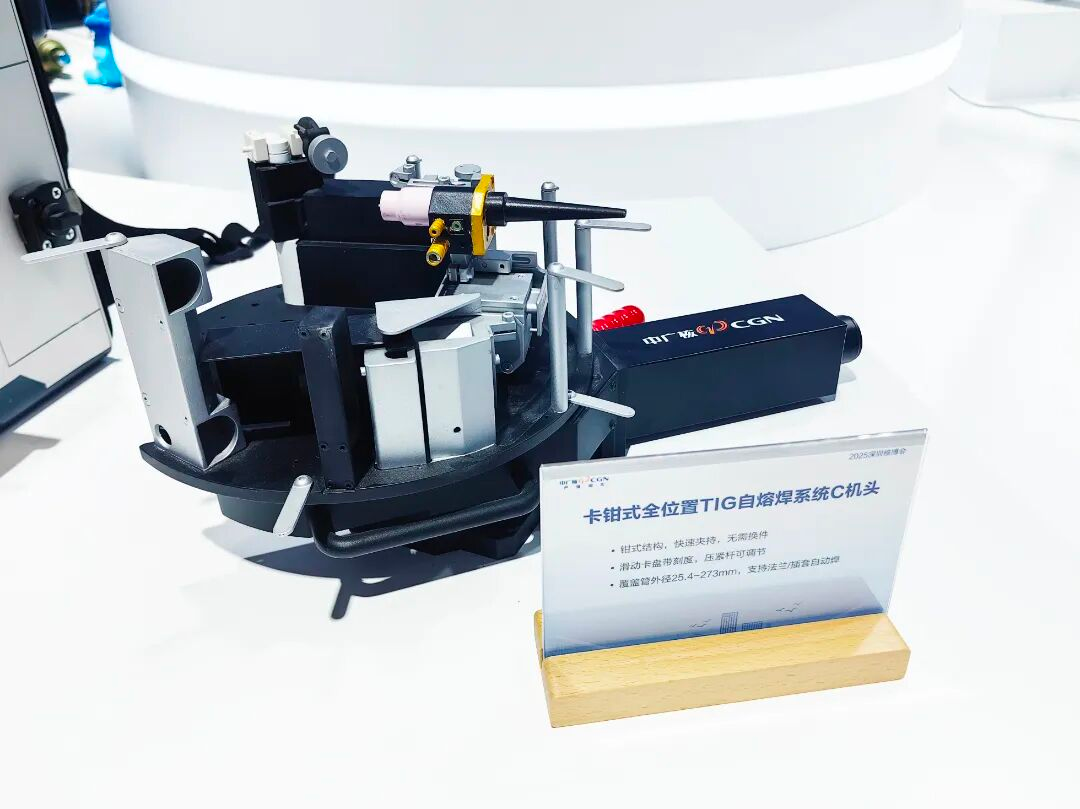
The caliper-type all-position TIG autogenous welding system C-head breaks the import monopoly, upgrading manual welding to precision "industrial sewing" operations, adaptable to various nuclear power, thermal power, and petrochemical projects.
Supercritical Water Oxidation Technology
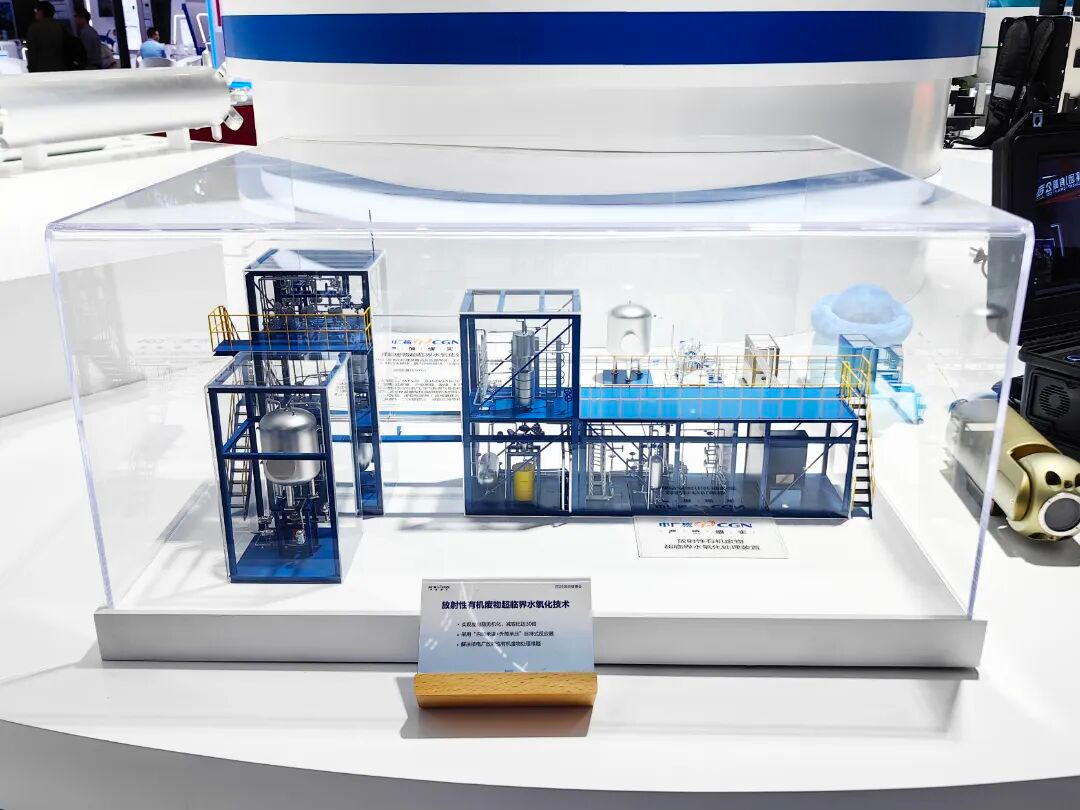
This "black technology" efficiently treats organic waste by using high temperature and high pressure (temperature above 374°C, pressure above 22 MPa) to turn water into a "supercritical state". The technology reaches internationally advanced levels, achieving "volume reduction and harmless disposal" of waste.
Wall-Climbing Inspection Robot
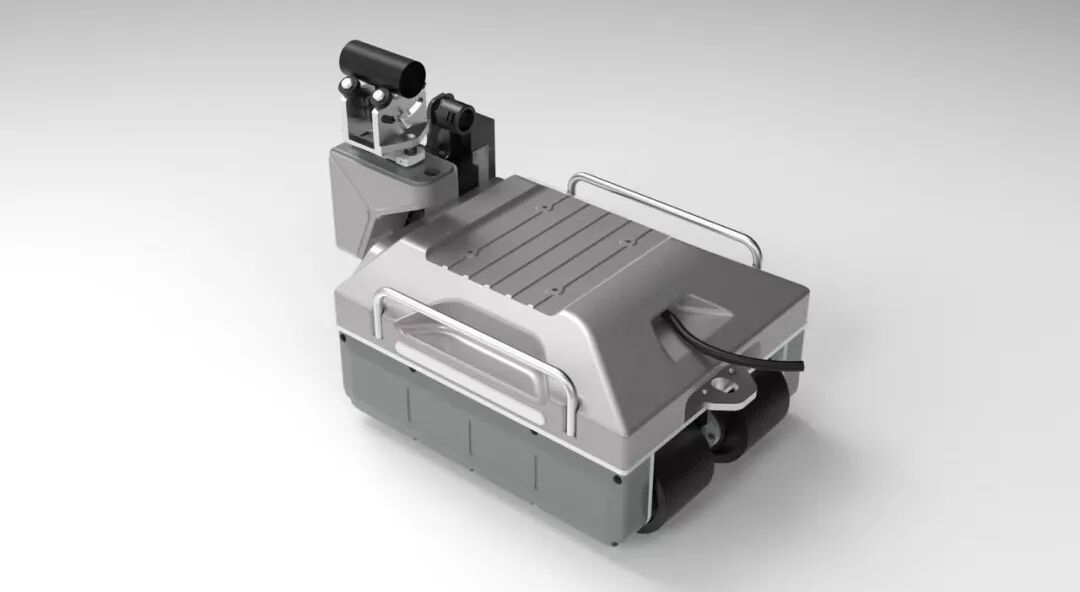
The wall-climbing inspection robot is the "Spider-Man" of nuclear power plants. It adheres to walls via magnetic attraction or vacuum suction, much like a gecko's feet gripping surfaces. It can traverse curved walls and narrow spaces, and can be equipped with tools for grinding, thickness measurement, and painting, transmitting real-time images remotely.
Gecko Quadruped Robot
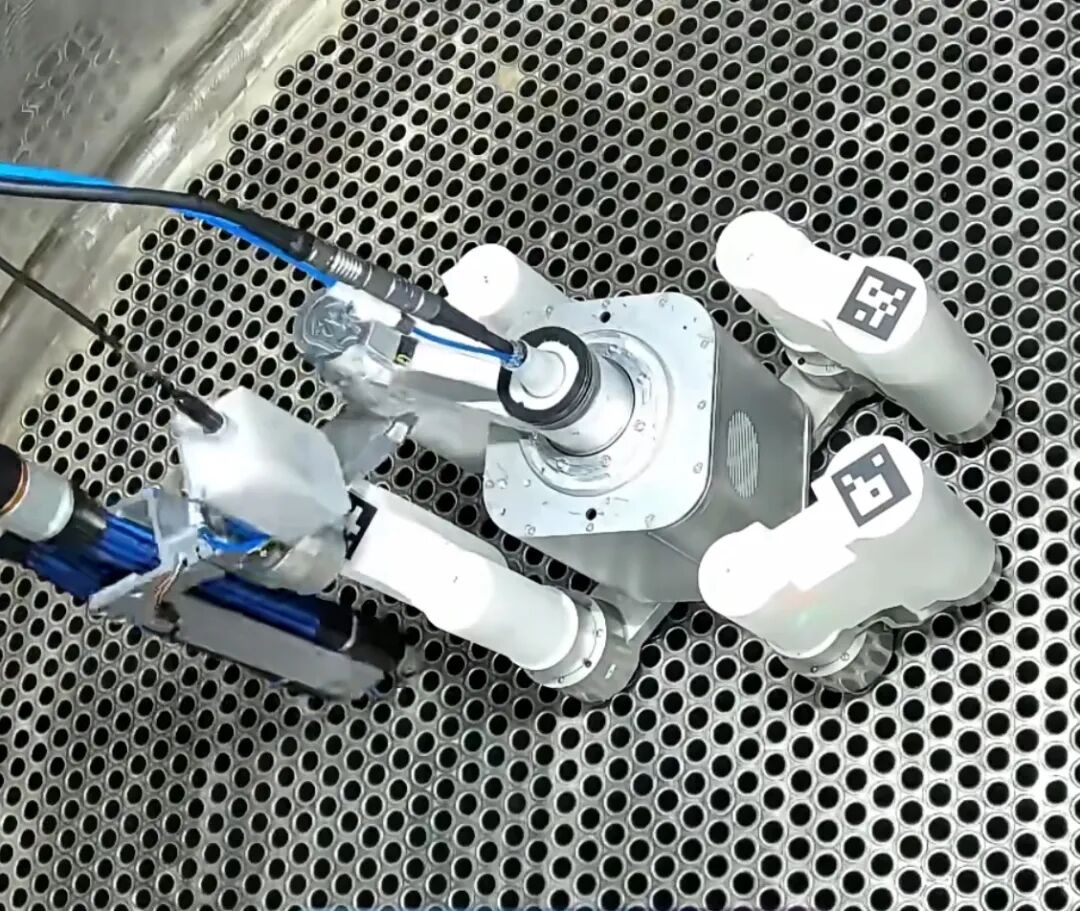
It is the world's first quadruped robot capable of inspecting evaporator heat transfer tubes. With its unique four-anchor-claw structure, it grips the heat transfer tubes like an ice axe, enabling rapid crawling with variable postures while simultaneously performing inspections. It improves efficiency by three times and can access narrow areas unreachable by humans, ensuring "dead-angle-free inspection" of heat transfer tubes.
Steam Generator Tubesheet Clamping Plate Removal and Installation Robot
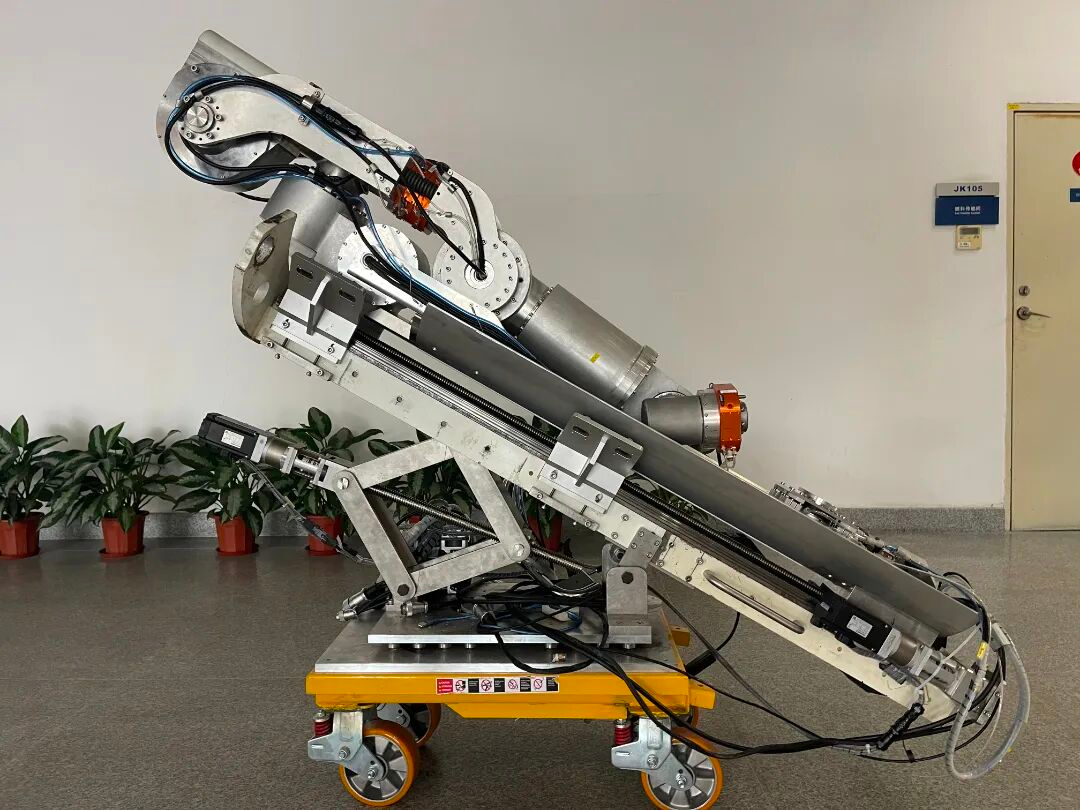
This "Steam Generator Tubesheet Clamping Plate Removal and Installation Robot" is a "micro-engineer" specially designed for sealing and plugging the "heart and blood vessels" of nuclear power plants. It can easily pass through manholes and fully automatically complete clamping plate grasping, transport and alignment, bolt tightening, and capsule sealing. It has been successfully applied at the Daya Bay Nuclear Power Plant.
Refueling Robot
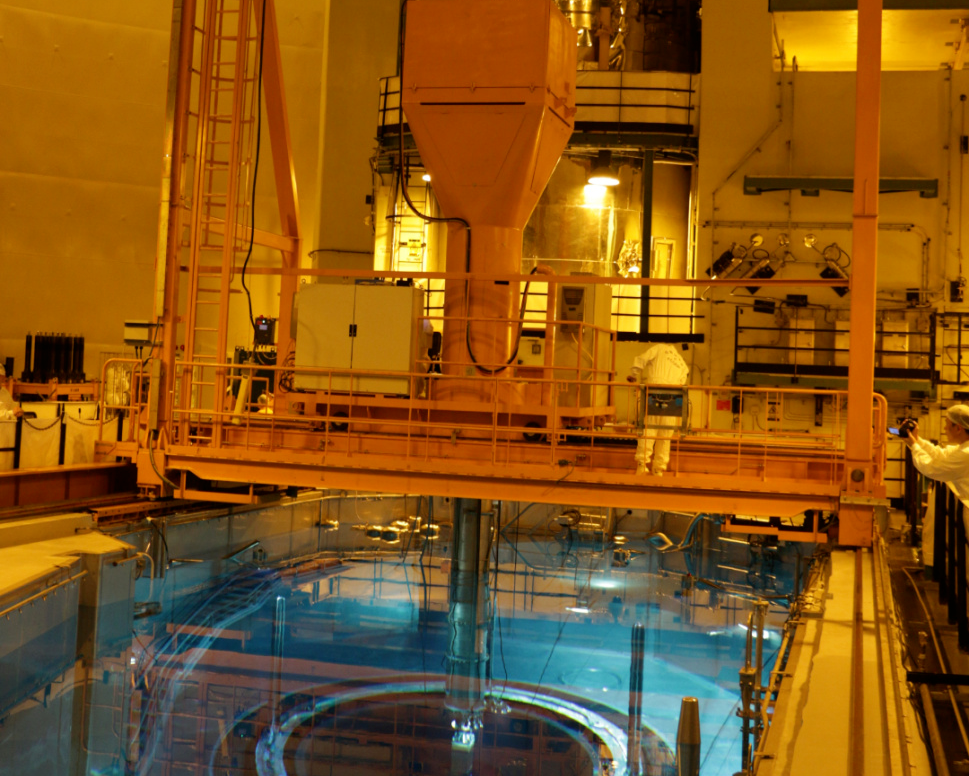
The refueling robot adopts a large-span, low-deflection upward arch curve structural design to enhance stability and load capacity; it is equipped with a high-sensitivity dynamic force-displacement fusion protection system for real-time safety monitoring and precise protection; it has multi-degree-of-freedom efficient compound motion capability, flexibly completing complex path operations; it supports fully automatic intelligent fuel loading and unloading operations.
