
Illinois Restarts Nuclear Power in Bid to Address Energy Challenges
 Scan to share
Illinois is actively exploring nuclear energy to address potential electricity shortages. Governor Pritzker signed an executive order requiring agencies to study adding at least 2 gigawatts of energy supply, enough to power 2 million homes or 20 large data centers. Earlier, in January of this year, the state passed the Clean and Reliable Grid Affordable Act, lifting a nearly four-decade ban on building new large-scale nuclear plants. This move aims to ensure stability of power supply and affordability of prices, especially amid growing energy demand.
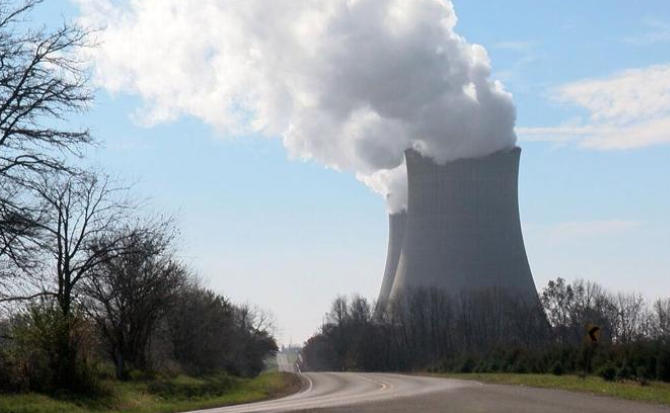
Illinois's nuclear development is not without challenges. For a long time, the United States has lacked a solution for safely storing nuclear waste, which was a primary reason for the state's cautious stance on nuclear plant construction. Although the federal government once planned to establish a permanent nuclear waste repository at Yucca Mountain in Nevada, the project was ultimately shelved due to opposition from local residents and funding interruptions. Currently, Illinois's six nuclear plants still store spent fuel in on-site pools and dry cask storage containers, which is a temporary solution.
With nine communities expressing interest in building new nuclear reactors, Illinois is actively seeking suitable construction sites. Among them, six communities already host nuclear plants, while two others were formerly home to large coal-fired power plants. These communities not only possess existing infrastructure and a skilled workforce but also hope to create jobs, increase tax revenue, and ensure stable energy supply through nuclear development. Notably, the University of Illinois Urbana-Champaign has also expressed interest in building a microreactor for research and talent cultivation purposes.
Although building new large-scale nuclear plants requires significant time and capital, some experts believe that small modular reactors (SMRs) may be a more viable option. However, no commercial SMRs are currently in operation in the United States, and their cost-effectiveness and construction timelines remain uncertain. Meanwhile, renewable energy and battery storage technologies are also advancing rapidly, offering Illinois a more diversified set of energy solutions.
Disclaimer: Information republished from partner media, institutions or other websites is provided for reference and communication purposes only. It does not imply endorsement of its views or verification of its accuracy. Please contact us if any content infringes rights or requires correction.