
Spain's two major nuclear power holders, Iberdrola and Endesa, paid approximately €360 million in taxes and fees for nuclear power in the first half of the year
 Scan to share
Spain's two major nuclear power holders disclosed to the CNMV: Iberdrola's expenditure on the "production tax on spent fuel and radioactive waste derived from power generation" in the first half of 2026 was €52 million (compared to €56 million in the same period last year), plus €117 million in Enresa radioactive waste management fees (levied based on each unit's monthly gross nuclear generation) (compared to €118 million in the same period last year), totaling €169 million. Endesa paid €56 million in "nuclear tax items" during the same period (up €3 million year-on-year), and €135 million in "radioactive waste treatment fees" (up €7 million year-on-year). Due to its controlling stake in Catalan nuclear units, it also paid €76 million in the Catalan environmental tax, totaling €267 million; the two companies' combined nuclear-related taxes and fees for the first half of the year amounted to approximately €336 million (the headline's "360 millones" is a rounded figure; the actual total is €336 million).
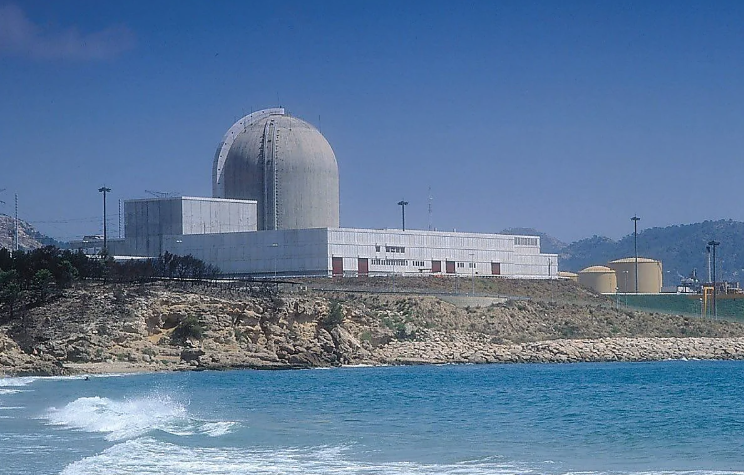
Iberdrola stated that among the various fees it pays, the most central is the Enresa financing fee levied on operating nuclear plants based on gross generation; the government's position distinguishes between "Enresa contributions," which are obligations covering specific waste management and decommissioning services, and the "specific waste tax," which is a levy with fiscal and environmental purposes—the two being different in nature. Endesa, due to its majority stake in Catalan nuclear units, additionally pays €76 million in the Catalan environmental tax. Power companies have argued for years that the same tax base is subject to a double burden: contributing to Enresa while also paying the specific waste tax; the government counters that waste producers must fully bear current and future costs, consistent with the "polluter pays" principle.
There has been a long-standing standoff and debate between nuclear plant owners and the government over tax issues, with tensions heightened especially as the closure of the Almaraz nuclear power plant draws nearer. Power companies have maintained for years that the same taxable event is subject to double taxation: on the one hand, financing radioactive waste management through payments to Enresa; on the other, paying a specific tax on these wastes. The government's position, meanwhile, is that payments to Enresa constitute an obligation to cover specific services (waste management and decommissioning), while the tax is a fiscal revenue instrument with fundraising and environmental purposes, distinct from that financing mechanism.
Disclaimer: Information republished from partner media, institutions or other websites is provided for reference and communication purposes only. It does not imply endorsement of its views or verification of its accuracy. Please contact us if any content infringes rights or requires correction.