
Spain Extends Almaraz Nuclear Power Plant Operation to June 2030
 Scan to share
The Spanish government has issued an order in the official gazette extending the operation of the Almaraz nuclear power plant to June 2030. Under Spain's previously established nuclear phase-out schedule, the two units at Almaraz were originally slated to begin decommissioning in 2027 and 2028, respectively.
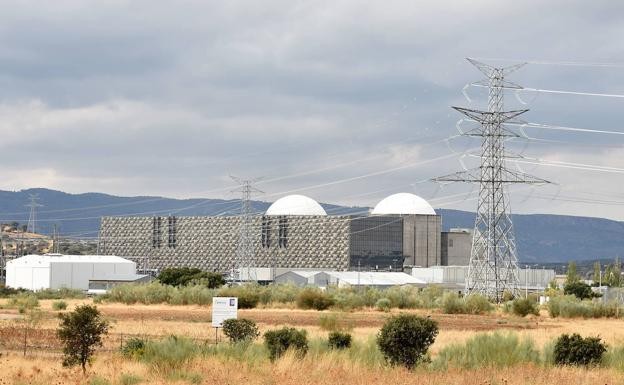
The document indicates that this extension does not alter the decommissioning plans for Spain's other nuclear plants. Spain plans to gradually shut down its five domestic nuclear plants by 2035. However, some analysts believe that, influenced by actual decommissioning arrangements and power system demands, other nuclear plants may also receive life extensions in the future.
In April of this year, a large-scale blackout occurred in Spain and Portugal, prompting renewed external debate over Spain's nuclear policy. Nuclear power currently accounts for approximately one-fifth of Spain's total electricity generation. Energy companies and business groups have called on the government to review the established nuclear phase-out plan. Multiple investigations have attributed the blackout to a voltage surge.
The order issued by the Spanish government did not mention the blackout, but instead cited the impact of recent geopolitical conflicts on fossil fuel supply and prices. Sources from the Ministry of Energy denied any connection between the Almaraz extension and the blackout.
The decision was made following a life extension application submitted last year by the plant's owners, Iberdrola, Endesa, and Naturgy. The Spanish Nuclear Safety Council (CSN) issued a supportive report last month, while also setting forth relevant conditions for the continued operation of the plant.
Spain's Socialist-led government continues to emphasize the transition to a zero-carbon economy, focusing energy policy on the large-scale deployment of renewable sources such as solar and wind power. Nuclear power itself produces no carbon emissions and provides stable baseload electricity, complementing intermittent renewable energy sources within the power system.
According to the official document, the extended operation of the Almaraz plant will reduce renewable energy deployment by only 1.4% compared to the current climate plan, while natural gas generation is expected to decrease by 7%. The nuclear industry has long called for lower related taxes and fees, arguing that high tax burdens undermine the competitiveness of nuclear plants. Spain's Ministry of Energy stated that this extension does not involve tax reductions and will not impose additional burdens on taxpayers.
Analysts at RBC Capital Markets noted in a report that this decision is in line with expectations and may imply that Spain's other nuclear plants will also receive extensions, given the logistical challenges of decommissioning multiple plants simultaneously. Sources from Spain's Ministry of Energy acknowledged that overlapping timelines in the nuclear phase-out process would pose challenges, but currently ruled out extension arrangements for other nuclear plants.
Disclaimer: Information republished from partner media, institutions or other websites is provided for reference and communication purposes only. It does not imply endorsement of its views or verification of its accuracy. Please contact us if any content infringes rights or requires correction.