
Search Results
Keyword:nuclear decommissioning
Swiss Nuclear Decommissioning and Waste Disposal Funds Both Show Surpluses
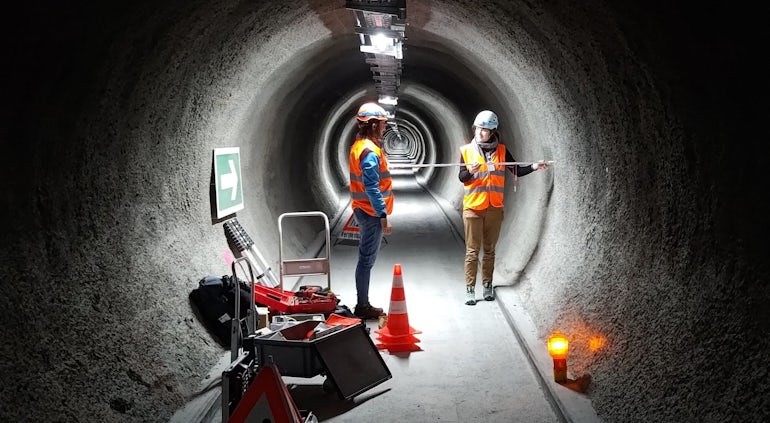
As of the end of 2025, the combined assets of Switzerland's nuclear facility decommissioning fund and nuclear power plant waste disposal fund approached CHF 10 billion, equivalent to approximately EUR 10.6 billion and USD 12.3 billion, up from CHF 9.65 billion at the end of 2024 and exceeding the established funding targets. According to Swissnuclear, the decommissioning fund stood at approximately CHF 3.03 billion, up from CHF 2.98 billion in 2024, while the waste disposal fund reached approximately CHF 6.96 billion, up from CHF 6.66 billion in 2024. Based on target calculations, the decommissioning fund target is CHF 2.76 billion and the waste disposal fund target is CHF 5.9 billion, with the two funds exceeding their targets by approximately 9.8% and 1...
2026-09-08

South Korea's KNR System Develops Heavy-Duty Bipedal Robot for Nuclear Facility Decommissioning Applications
South Korean robotics company KNR System recently announced the completion of the lower-body development and basic locomotion verification for its large-scale industrial "super-humanoid" robot. The robot's leg structure can support loads of up to 3 tons and move at a speed of 3 to 4 kilometers per hour. The company plans to release the full model by the end of 2026 and has already initiated whole-body system integration work. KNR System is developing a super-humanoid robot design. Image source: KNR System According to reports, the newly developed robot legs stand approximately 2.9 meters tall, with a maximum load capacity of 3 tons and a dual-arm payload of 600 kilograms. Each side is equipped with 12 joints, utilizing 10,000 Nm-class high-output hydraulic rotary actuators...
2026-09-07
Second Phase of Decommissioning for Unit 1 of Japan's Ikata Nuclear Power Plant Approved by Prefectural Committee
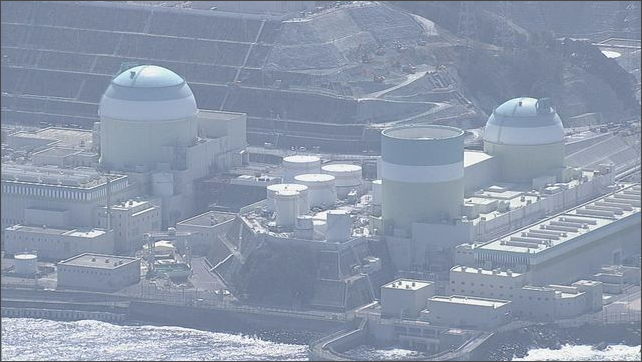
The Environmental Safety Management Committee for the Ikata Nuclear Power Plant in Ehime Prefecture, Japan, held a meeting in Matsuyama City on September 2 to discuss plans by Shikoku Electric Power to proceed with the second phase of decommissioning for Unit 1 of the Ikata Nuclear Power Plant. The unit, located in Ikata-cho, Ehime Prefecture, is currently in the process of being decommissioned. The decommissioning of Unit 1 at the Ikata Nuclear Power Plant has been divided into four main phases. Shikoku Electric Power had previously conducted prior consultations with Ehime Prefecture and Ikata-cho regarding the transition to the next phase, obtained local consent, and submitted relevant applications to Japan's Nuclear Regulation Authority (NRA). In July of this year, the NRA approved the application...
2026-09-03

German Chancellor Links High Electricity Prices to Hasty Nuclear Phase-Out
German Chancellor Friedrich Merz stated that Germany's current high electricity prices are partly attributable to the hasty closure of nuclear power plants. He believes that Germany exited nuclear energy without adequate alternative solutions and now has to bear higher costs for subsequent energy supply arrangements. In an interview, Merz said that the closure of Germany's nuclear plants was not his responsibility, and "if it were up to me, I would not have done this." He noted that the decision has already been made, and the current government cannot change the established facts nor provide a legal guarantee for grid electricity prices over the next 15 years. Merz also mentioned that the impact of the Iran conflict is one of the factors driving up electricity prices. In terms of electricity...
2026-08-31
South Korea's KNR Systems Completes Development of Robotic System for PHWR Decommissioning
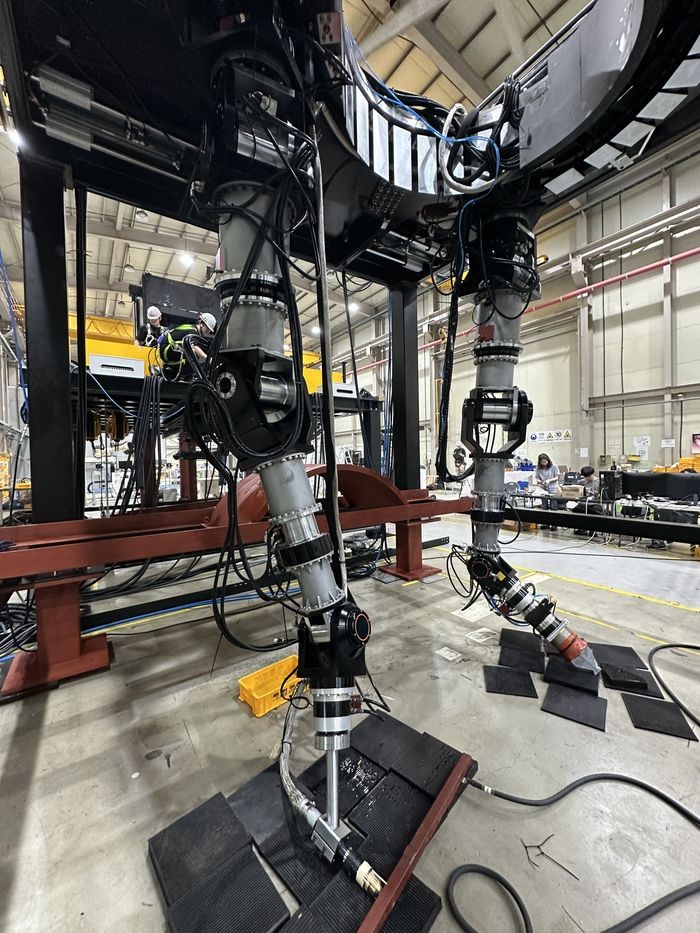
KNR Systems announced on August 31 that it has completed the development of a platform system for remote cutting and dismantling of radioactive structures in Pressurized Heavy Water Reactors (PHWR), with final delivery scheduled to commence in September this year. The system originates from a government-commissioned PHWR decommissioning demonstration project. The project, valued at approximately 2.8 billion KRW, was awarded in January last year, with a development period of about seven months. Upon delivery, the equipment will be installed at the Heavy Water Reactor Decommissioning Technology Center of the Korea Research Institute of Decommissioning (KRID) in Gyeongju, for use in PHWR decommissioning demonstrations. Compared with light water reactors, PHWRs have more complex internal structures and typically higher levels of radioactive contamination, making dismantling operations more challenging.
2026-08-31
TEPCO replaces faulty motor of robotic arm at Fukushima Daiichi Unit 2
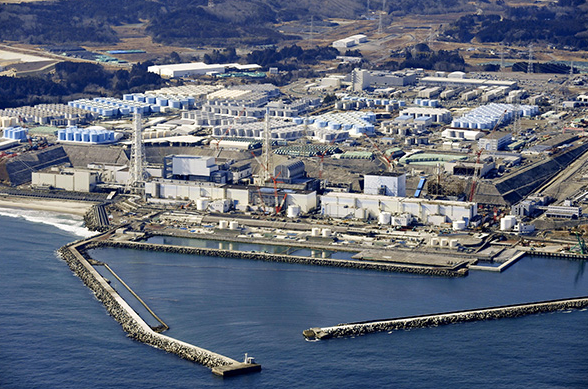
Tokyo Electric Power Company (TEPCO) began replacing the faulty motor of the robotic arm used for fuel debris retrieval trials at Unit 2 of the Fukushima Daiichi Nuclear Power Station on August 26. The robotic arm, approximately 22 meters long, is planned for use in the third fuel debris retrieval trial. During a previous operational inspection inside the reactor building of Unit 2, TEPCO found that the motor driving the robotic arm had malfunctioned, preventing the brake from releasing and the arm from extending. As the robotic arm is already installed on site, workers will enter the "front chamber" in front of the containment vessel to perform the replacement manually. The company stated that radiation levels in the work area will be strictly controlled to prevent workers from receiving excessive exposure. After this replacement, TEPCO will...
2026-08-27

Kansai Electric Power Launches Two Joint Research Projects for Nuclear Power Plant Decommissioning
Kansai Electric Power Co., Inc. announced on August 24 that it has completed the selection of joint research projects related to nuclear power plant decommissioning for fiscal year 2026, choosing two proposals from previously solicited research plans, and signed joint research contracts and commenced research activities on the same day. The projects target research on products and technologies applicable to decommissioning operations at Kansai Electric Power's nuclear power plants. The company solicited research proposals to be implemented from fiscal year 2026 between March 16 and April 30, 2026, with a focus on improving the safety and efficiency of dismantling operations, reducing radioactive waste, and supporting local companies in developing related products and technologies. Selected projects...
2026-08-24
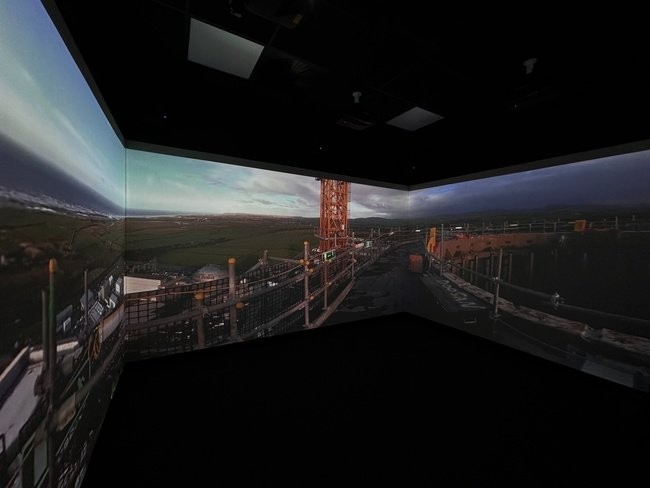
Immersive environment launched in West Cumbria to support nuclear decommissioning
AtkinsRéalis has recently supported Sellafield Ltd in establishing a new immersive environment at the Robotics and Artificial Intelligence Collaboration facility (RAICo1) in West Cumbria, UK, to support the planning, rehearsal, and execution of nuclear decommissioning work. The project was developed in partnership between Sellafield Ltd and immersive technology company Igloo Vision. The new Robotics and Artificial Intelligence Collaboration (RAICo1) facility in West Cumbria (Image courtesy of Sellafield Ltd) The 360-degree visualisation environment can accommodate up to 10 users and can integrate remotely operated robotic systems, live data streams, and visual information within a single interactive space...
2026-08-20
Ikata Nuclear Power Station Unit 1 Decommissioning Phase 2 Plan Approved by Experts
An expert organization in Ehime Prefecture, Japan, regarding safety management at the Ikata Nuclear Power Station recently held a meeting to discuss the decommissioning plan for Unit 1 of the station. The report formed at the meeting deemed it appropriate for the unit to enter the second phase of decommissioning in fiscal year 2027. The meeting was convened by the Nuclear Safety Expert Subcommittee under the Ikata Nuclear Power Station Environmental Safety Management Committee. This committee is responsible for providing advice to the Governor of Ehime Prefecture on safety management at the Ikata Nuclear Power Station. At the meeting, eight academic experts reviewed the decommissioning plan for Unit 1. The decommissioning of Unit 1 at the Ikata Nuclear Power Station began in 2017 and is divided into four phases overall, planned to last approximately 40 years. Currently, the decommissioning work...
2026-08-19
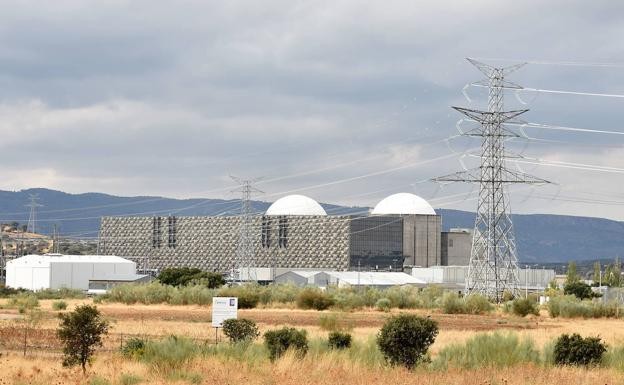
Spain Extends Almaraz Nuclear Power Plant Operation to June 2030
The Spanish government has issued an order in the official gazette extending the operation of the Almaraz nuclear power plant to June 2030. Under Spain's previously established nuclear phase-out schedule, the two units at Almaraz were originally slated to begin decommissioning in 2027 and 2028, respectively. The document indicates that this extension does not alter the decommissioning plans for Spain's other nuclear plants. Spain plans to gradually shut down its five domestic nuclear plants by 2035. However, some analysts believe that, influenced by actual decommissioning arrangements and power system demands, other nuclear plants may also receive life extensions in the future. In April of this year, a large-scale blackout occurred in Spain and Portugal, sparking external...
2026-08-15
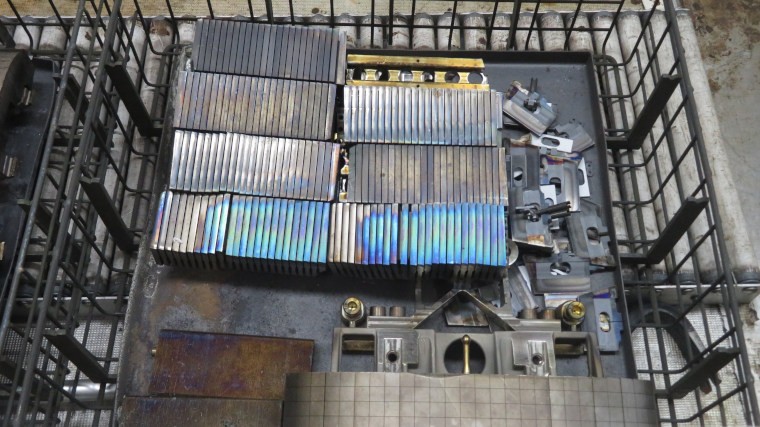
UK's Materials Detritiation Facility at Culham Resumes Operations to Support JET Fusion Decommissioning Materials Research
The UK Atomic Energy Authority recently announced that the Materials Detritiation Facility (MDF) at Culham has resumed operations following a 12-month engineering shutdown and upgrade. Experimental data produced by the facility has already been used to support research related to the removal of materials from the Joint European Torus (JET) device, providing a basis for waste management strategies under the JET Decommissioning and Repurposing (JDR) project. Over three years of plasma operations, deuterium-tritium (DT) experiments conducted at JET have left residual amounts of tritium in the tokamak's walls and internal components. This phenomenon is associated with tritium's tendency to enter materials under high-power fusion operating conditions. For JET decommissioning work, accurately determining the tritium...
2026-08-11
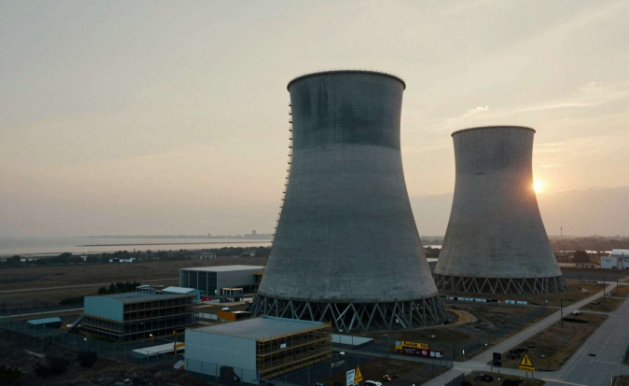
U.S. nuclear energy company Holtec advances on two fronts this week: decommissioning aging nuclear plants and positioning small reactors in the southern U.S.
U.S. nuclear energy company Holtec recently announced two significant developments, reflecting the dual trend in the current nuclear power industry of retiring existing capacity while expanding new capacity. On one hand, the U.S. Nuclear Regulatory Commission approved the license termination plan for the Oyster Creek nuclear power plant, moving the decommissioning process of this veteran commercial nuclear facility in New Jersey, which began operations in 1969, past a key regulatory milestone. On the other hand, Holtec announced a partnership with Entergy and Hyundai Engineering & Construction to evaluate potential sites for deploying new reactors in the southern Gulf Coast region of the United States. The Oyster Creek plant ceased power generation in 2018 and was subsequently taken over by Holtec for decommissioning. The recently approved license termination plan...
2026-08-11
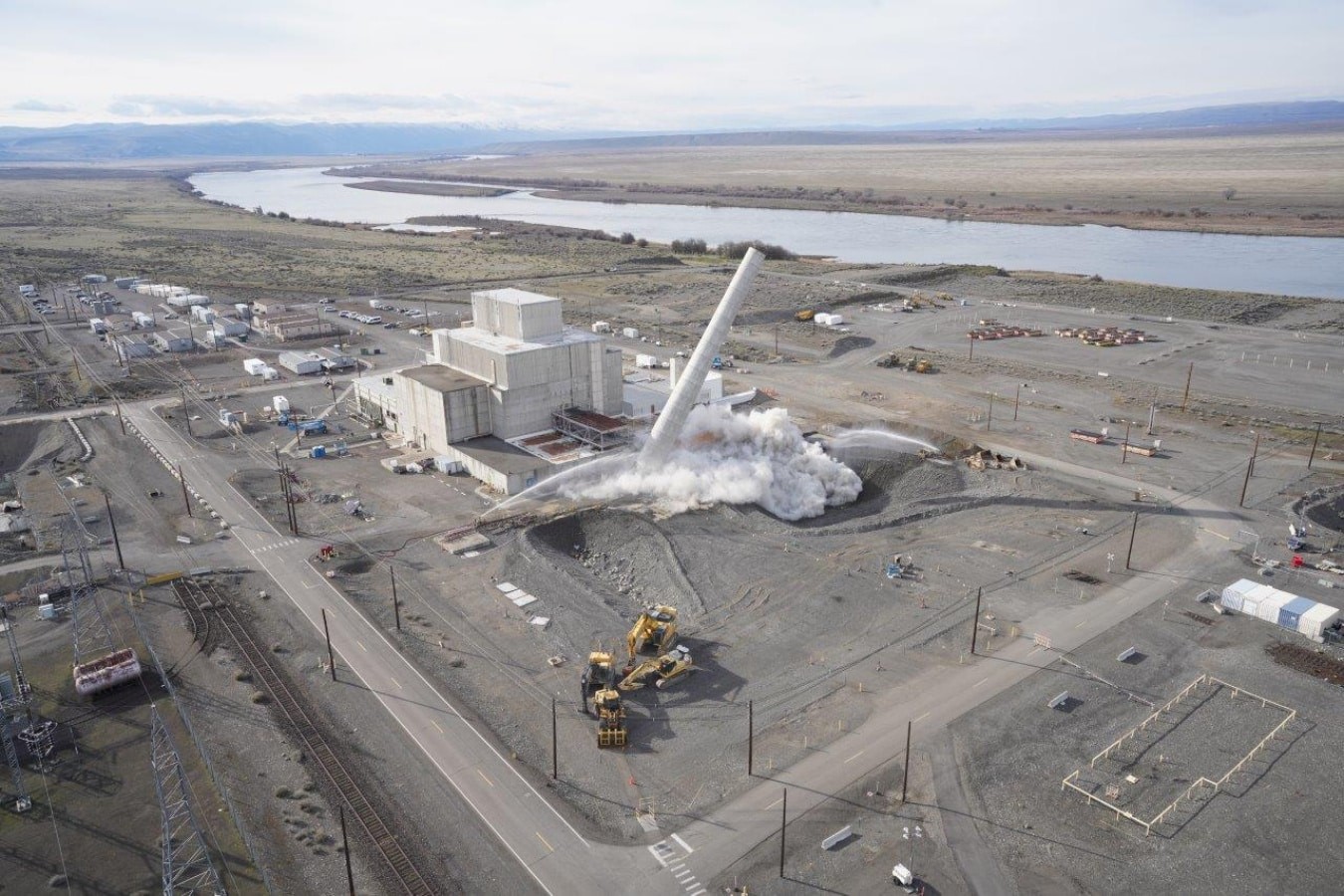
Accelerating Nuclear Facility Decommissioning Can Drive Redevelopment of Legacy Nuclear Sites
Amentum recently proposed in a report on nuclear facility decommissioning financing and site regeneration that decommissioning should not be viewed solely as a cost item for reducing environmental and radiological risks. As a wave of nuclear reactors worldwide enters shutdown phases, shortening cleanup timelines, unlocking land value, and creating conditions for new industry attraction are becoming shared priorities for the nuclear industry and local economies. The report notes that traditional decommissioning models often leave facilities in long-term surveillance and maintenance status, which, while deferring some expenditures, also delays land reuse, industry attraction, and community benefits. In contrast, accelerated decommissioning can eliminate environmental liabilities earlier, reduce...
2026-08-10
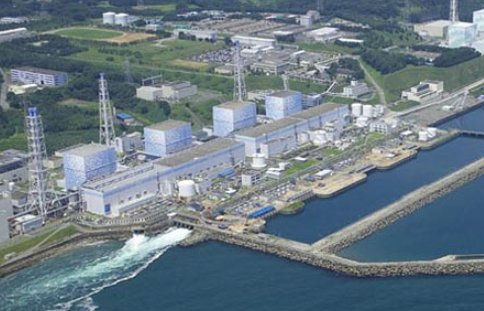
New Decommissioning Plan for Fukushima Daiichi: Priority on Internal Investigation of Unit 3 Before Fuel Debris Retrieval
The Nuclear Damage Compensation and Decommissioning Facilitation Corporation of Japan released on August 6 an outline of the 2026 edition of the "Decommissioning Strategic Plan," proposing technical approaches for the decommissioning of Tokyo Electric Power Company's Fukushima Daiichi Nuclear Power Station. The plan highlights that, for the large-scale retrieval of melted fuel debris at Unit 3, expected to commence in or after fiscal year 2037, priority should currently be given to internal investigations of the reactor building to provide a more reliable basis for subsequent engineering plans. The plan states that the fuel debris retrieval method being studied by TEPCO still requires further improvement in certainty, with the key prerequisite being an understanding of the actual internal conditions of the reactor. Due to the high radiation levels of the water inside the unit following the accident...
2026-08-07
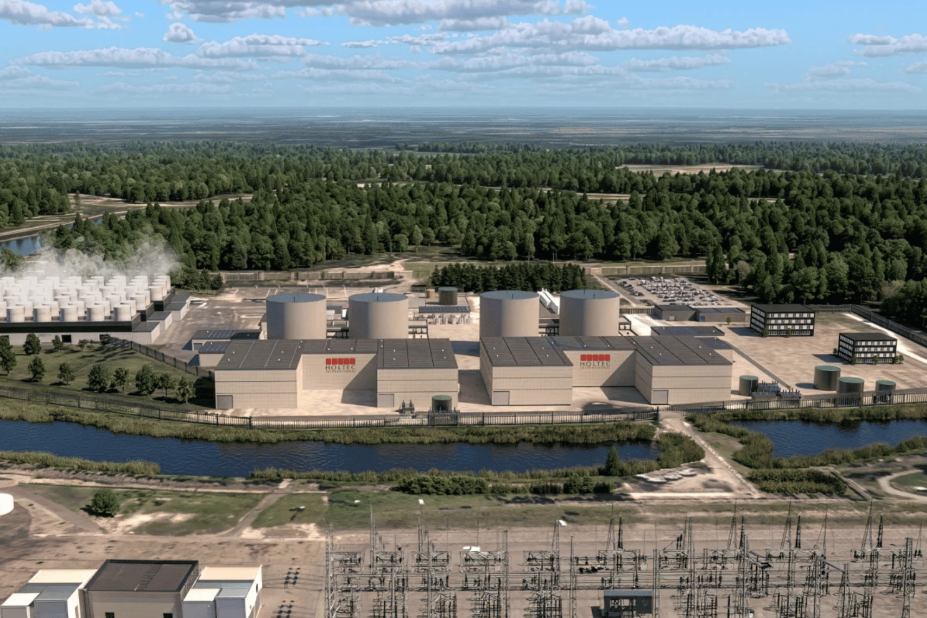
U.S. NRC Approves Four SMR-300 Reactors at Oyster Creek Site in New Jersey
A retired nuclear power plant in New Jersey is getting a new lease on life with the construction of small modular reactors. The U.S. Nuclear Regulatory Commission (NRC) has approved the construction of four advanced small modular reactors (SMRs) at the site of the Oyster Creek nuclear power plant in New Jersey. The plant is currently in decommissioning, with more than half of the dismantling work completed. The Oyster Creek Generating Station, which began construction in December 1969 and operated for nearly 49 years until its closure in September 2018, was once the longest-operating commercial nuclear power plant in the United States. It produced over 192 terawatt-hours of carbon-free electricity in total. Supported by New Jersey's pro-nuclear legislation and stable local backing, Holtec plans to build...
2026-08-05