
Accelerating Nuclear Facility Decommissioning Can Drive Redevelopment of Legacy Nuclear Sites
 Scan to share
Amentum recently proposed in a report on nuclear facility decommissioning financing and site regeneration that decommissioning should not be viewed solely as a cost item for reducing environmental and radiological risks. As a wave of nuclear reactors worldwide enters shutdown phases, shortening cleanup timelines, unlocking land value, and creating conditions for new industry attraction are becoming shared priorities for the nuclear industry and local economies.
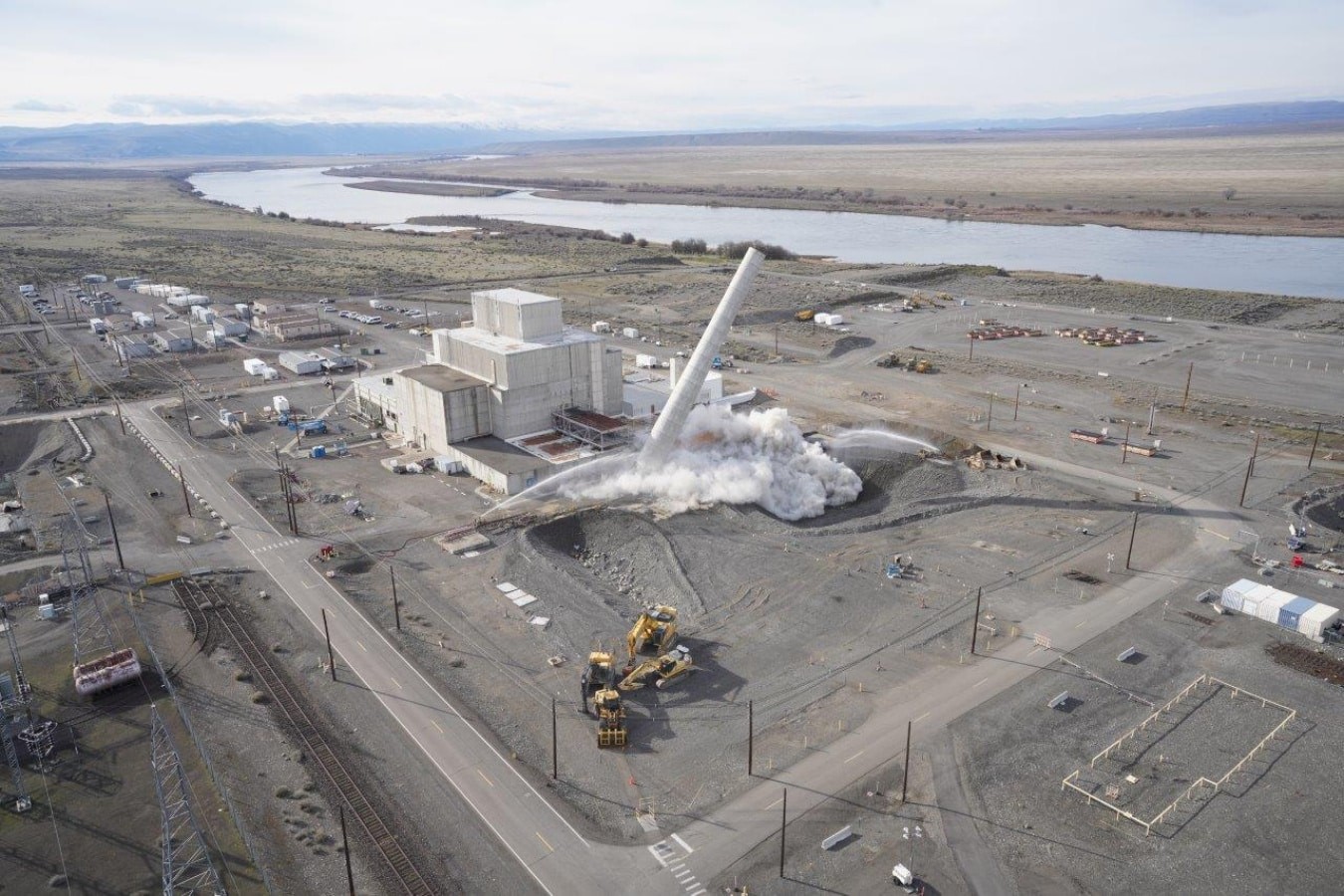
The report points out that traditional decommissioning models often keep facilities in long-term surveillance and maintenance status, which, while deferring some expenditures, also delays land reuse, industry attraction, and community benefits. In contrast, accelerated decommissioning can eliminate environmental liabilities earlier, reduce full-lifecycle project costs, retain a highly skilled nuclear workforce, and provide greater certainty to investors and stakeholders regarding future site uses.
The Oak Ridge site in Tennessee, USA, is one of the primary case studies cited in the report. UCOR, a joint venture led by Amentum serving as the U.S. Department of Energy (DOE) environmental cleanup contractor, completed the "Vision 2020" project to clean up a former gaseous diffusion complex. The project was completed four years ahead of schedule, saved approximately $80 million from the budget, and eliminated an estimated $500 million in environmental liabilities.
Following cleanup, more than 1,300 acres of land at the former East Tennessee Technology Park in Oak Ridge were released for economic development through the Heritage Center, attracting new investment and industrial activity, including companies related to advanced nuclear technology and fuel manufacturing. Portions of the land were also converted to conservation and recreational uses, delivering broader environmental and community benefits.
The report also notes that cleanup efforts at Oak Ridge's Y-12 National Security Complex and Oak Ridge National Laboratory (ORNL) are demolishing aging facilities, reducing environmental risks, and creating space for future scientific research and national security missions. Among these, the former biology complex site is planned to support the construction of a new lithium processing facility, demonstrating that decommissioning and cleanup can directly serve new strategic infrastructure.
At the Hanford site in Washington State, decommissioning and cleanup efforts are more prominently characterized by long-term transformation planning. Covering approximately 1,500 square kilometers, the Hanford site is one of the world's largest environmental remediation projects. The report argues that such legacy nuclear sites typically retain potential value—including existing power infrastructure, transportation networks, a specialized workforce, and proximity to research institutions—which should be considered in parallel with conservation, industrial development, and community needs from the early stages of cleanup.
On the financing front, the report proposes that decommissioning project evaluations should not focus solely on project costs, schedules, and liability reduction, but should also incorporate factors such as early land release, infrastructure reuse, private capital entry, and capacity to host future strategic missions. User-provided materials also mention that financial institutions including BNP Paribas are exploring innovative financing models, such as decommissioning bonds, offering new participation pathways for environmental, social, and governance-related investments.
The report concludes that the core question in nuclear facility decommissioning is shifting from "can cleanup be completed safely" to "can the value created after cleanup be unlocked more quickly." For governments, site owners, and investors, planning decommissioning and site regeneration in tandem may enable legacy nuclear sites to transform more rapidly into platforms for clean energy, advanced manufacturing, research, and regional development.
Disclaimer: Information republished from partner media, institutions or other websites is provided for reference and communication purposes only. It does not imply endorsement of its views or verification of its accuracy. Please contact us if any content infringes rights or requires correction.