
India's Fortis Healthcare Plans to Introduce the Country's First Upright Proton Therapy System
 Scan to share
India's Fortis Healthcare has announced plans to install Mevion Medical Systems' MEVION S250-FIT proton therapy system at Fortis Memorial Research Institute (FMRI) in Gurugram. The hospital is Fortis' flagship quaternary care hospital and its comprehensive oncology and precision cancer treatment center.
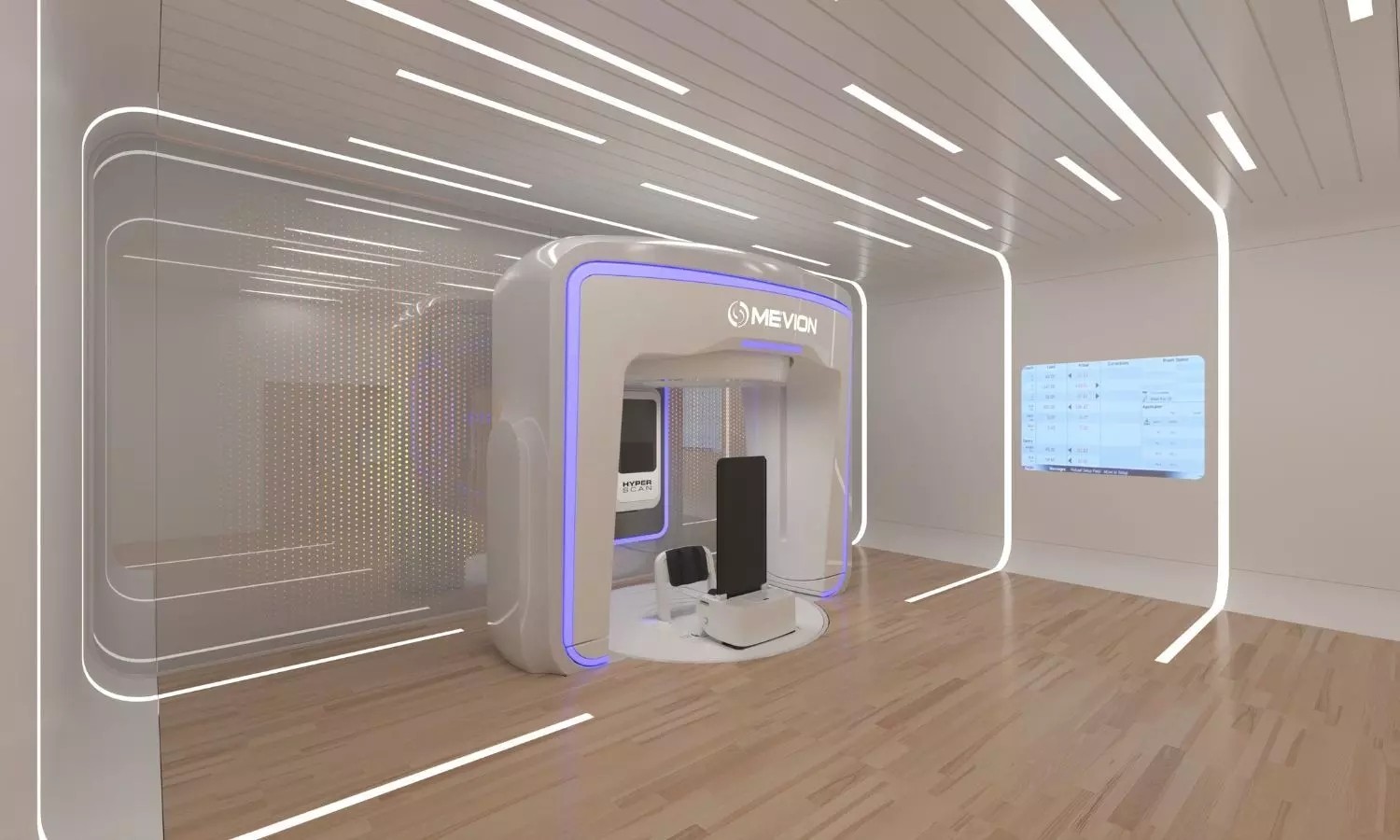
According to reports, the system will be equipped with Leo Cancer Care's Marie® upright patient positioning and imaging solution, as well as RaySearch Laboratories' RayStation® treatment planning software. If the project receives relevant regulatory approvals and completes site preparation, Fortis will become India's first medical institution planning to introduce upright proton therapy, and this will also be the first installation of Leo Cancer Care's related system in India.
Proton therapy differs from conventional radiation therapy that uses X-rays. Proton beams can deliver prescribed doses more concentratedly to the tumor site and reduce exit radiation, thereby lowering the radiation dose to surrounding healthy tissues and critical organs. This characteristic is valuable for the treatment of certain pediatric tumors, as well as tumors located near sensitive structures such as the brain, spinal cord, heart, and lungs.
The system planned for introduction uses an ultra-compact proton accelerator, a fixed beam delivery structure, a 360-degree upright patient positioning platform, and integrated CT imaging. Unlike traditional treatment methods where large rotating gantries rotate around a supine patient, this technology allows patients to receive treatment in a seated position facing a fixed proton beam. For patients who have difficulty lying flat due to pain, breathing difficulties, limited mobility, or anxiety, the upright position may provide a more natural and comfortable treatment experience; the open structure also helps reduce feelings of enclosure and facilitates communication between patients and the clinical team during positioning and treatment.
The platform can also perform upright CT imaging at the treatment position, enabling medical staff to complete image acquisition, positioning, and treatment in the same position, which helps improve setup accuracy and anatomical consistency, and supports image-guided treatment workflows. Its treatment planning workflow is supported by RayStation software.
Fortis stated that the system's compact design allows it to be installed within FMRI's existing building, whereas traditional proton therapy systems based on large gantries typically require larger space and infrastructure conditions. The project is considered promising for lowering the threshold for building proton therapy facilities, expanding access to advanced precision radiation therapy for patients in India, and laying the foundation for further application of upright radiation therapy in the region.
Disclaimer: Information republished from partner media, institutions or other websites is provided for reference and communication purposes only. It does not imply endorsement of its views or verification of its accuracy. Please contact us if any content infringes rights or requires correction.