
U.S. Army Deploys First Commercial Microreactor at Crane Base
 Scan to share
The U.S. Army announced that it has ordered the first commercial microreactor for Naval Support Activity Crane in Indiana, marking a significant step in the United States' application of advanced nuclear energy technology. This micro-modular reactor (MMR), owned and operated by a commercial entity, will be installed at the base, becoming the U.S. Navy's first land-based advanced micro-modular reactor and Indiana's first power reactor.
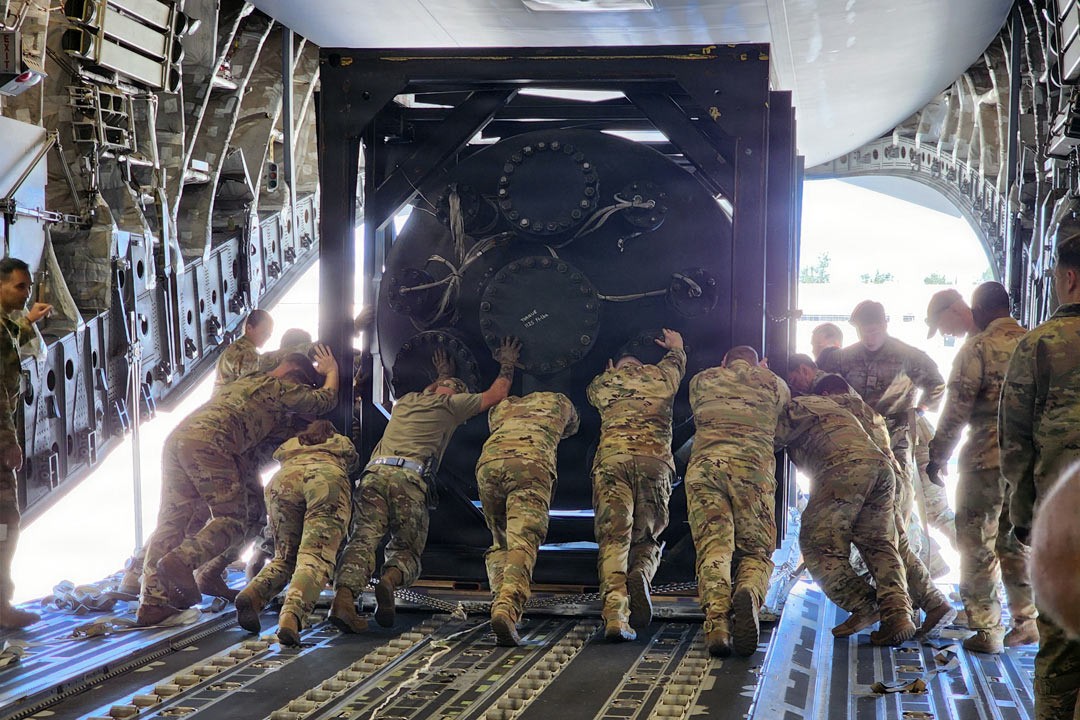
Naval Support Activity Crane is positioned by the U.S. Army as one of the “leading centers in operational innovation and capability development.” The deployment of the microreactor aims to provide reliable, 24-hour uninterrupted power, reducing dependence on the commercial power grid, thereby supporting the normal operation of critical missions in various complex environments.
This deployment is part of the Army's “Project Janus,” which aims to advance safe and reliable nuclear energy applications to safeguard national security. Project Janus was initiated in response to two executive orders signed by President Donald · Trump, respectively requiring the activation of a military-supervised nuclear reactor at a U.S. military installation by September 30, 2028, and the revitalization of the nuclear industrial base.
According to Department of Defense planning, the installation of the MMR will be completed by September 2028, ensuring compliance with the established timeline. The core objective of Project Janus is to provide resilient and reliable energy assurance for defense assets and critical missions, representing an important step toward a new generation nuclear energy program for the United States.
To achieve this goal, the U.S. Army selected five microreactor developers several months ago, planning to deploy corresponding reactors at five different facilities. The MMR installation project at Crane is being carried out in close coordination with the Department of the Navy, U.S. Army Innovation Command, and the Office of the Assistant Secretary for Critical Technologies.
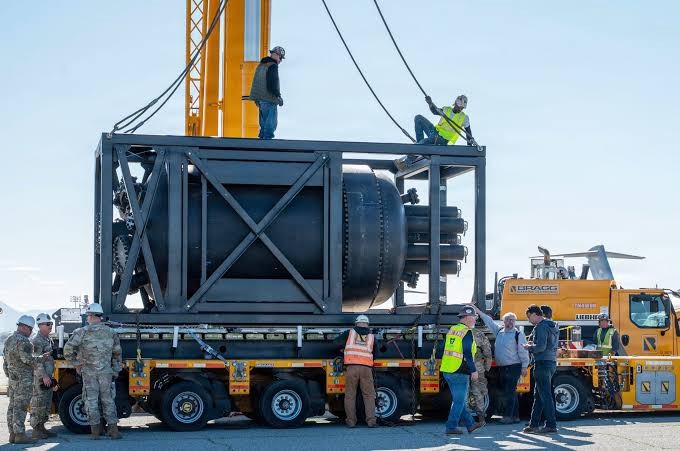
Assistant Secretary of the Army for Critical Technologies Mike · Dodd emphasized that technology only has meaning in practical application, and the Army is committed to delivering and deploying capabilities within 24 months or less.
The U.S. Army stated that the project was initiated after more than a year of close coordination with Indiana state leaders, and will continue to work with all levels of government and local partners to jointly complete all necessary safety, environmental, regulatory, and site planning processes. Nuclear safety, physical security, cybersecurity, and responsible management of taxpayer funds will always be project priorities.
Indiana Senator Todd · Young expressed satisfaction with the launch of this project, calling it “an unprecedented mission” and stating it will bring “the highest level of nuclear energy expertise” to Indiana, while emphasizing the important role Indiana residents play in national security.
Disclaimer: Information republished from partner media, institutions or other websites is provided for reference and communication purposes only. It does not imply endorsement of its views or verification of its accuracy. Please contact us if any content infringes rights or requires correction.