
"AI-Based Automated Authenticity Verification System for Quality Certificates" — Diao Long, Deputy Chief Engineer of Engineering Quality Assurance, CGN Huizhou Nuclear Power Co., Ltd.
 Scan to share
On November 14, 2025, Diao Long, Deputy Chief Engineer of Engineering Quality Assurance at CGN Huizhou Nuclear Power Co., Ltd., delivered a keynote report titled "AI-Based Automated Authenticity Verification System for Quality Certificates" at the "AI+Nuclear Innovation Application Scenario Roadshow" of the Shenzhen Nuclear Expo.
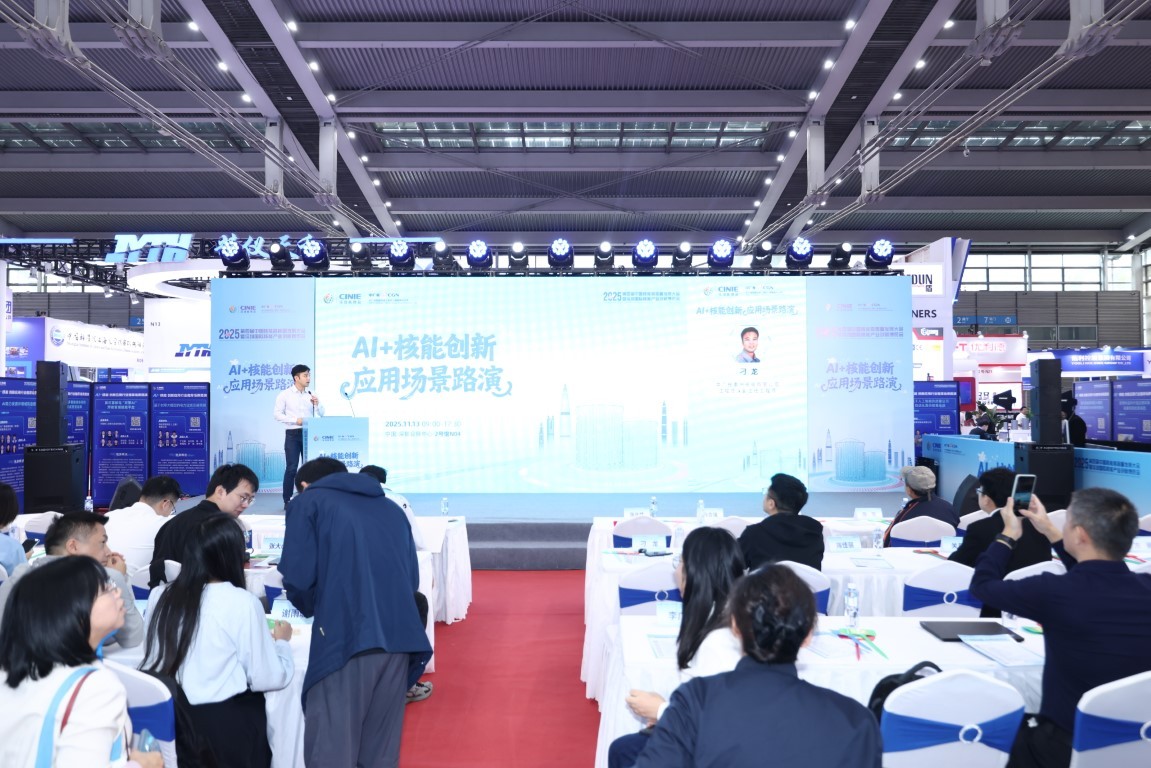
The presentation introduced Huizhou Nuclear Power's AI-based automated authenticity verification system for quality certificates, designed to address issues such as low manual verification efficiency, error-proneness due to high information volume, difficulty in tracing contractor verification processes, and challenges in anti-counterfeiting posed by diverse forgery techniques. The system achieves batch, high-speed, and traceable authenticity verification through certificate upload, QR code recognition, web scraping, large model key information comparison, and report generation, and has identified anomalies in multiple real-world counterfeiting cases. The presentation concluded that the system can save significant manual working hours, enhance nuclear safety assurance capabilities, and has potential for promotion to industries beyond nuclear energy.
Key Points
1. Presentation Topic and Structure (00:12)
The presentation topic is the AI-based automated authenticity verification system for quality certificates, focusing on anti-counterfeiting scenarios. The presentation is divided into four parts: project background, system introduction, effect demonstration, and value promotion.
2. Multiple Pain Points in Manual Verification (00:39)
Currently, quality certificates rely primarily on manual verification. However, Huizhou Nuclear Power handles up to 100,000 certificates annually. Manual methods face problems including low efficiency, error-proneness due to high information volume, difficulty in tracing contractor verification processes, and anti-counterfeiting challenges posed by diverse forgery techniques.
3. Introducing Large Models to Enhance Anti-Counterfeiting Capability (01:17)
After the emergence of large model technology, the team applied it to quality certificate anti-counterfeiting verification to improve recognition and comparison capabilities. The system initially used OCR technology in its early stages, but results were unsatisfactory. After transitioning to large models, recognition performance improved significantly.
4. System Verification Workflow (01:28)
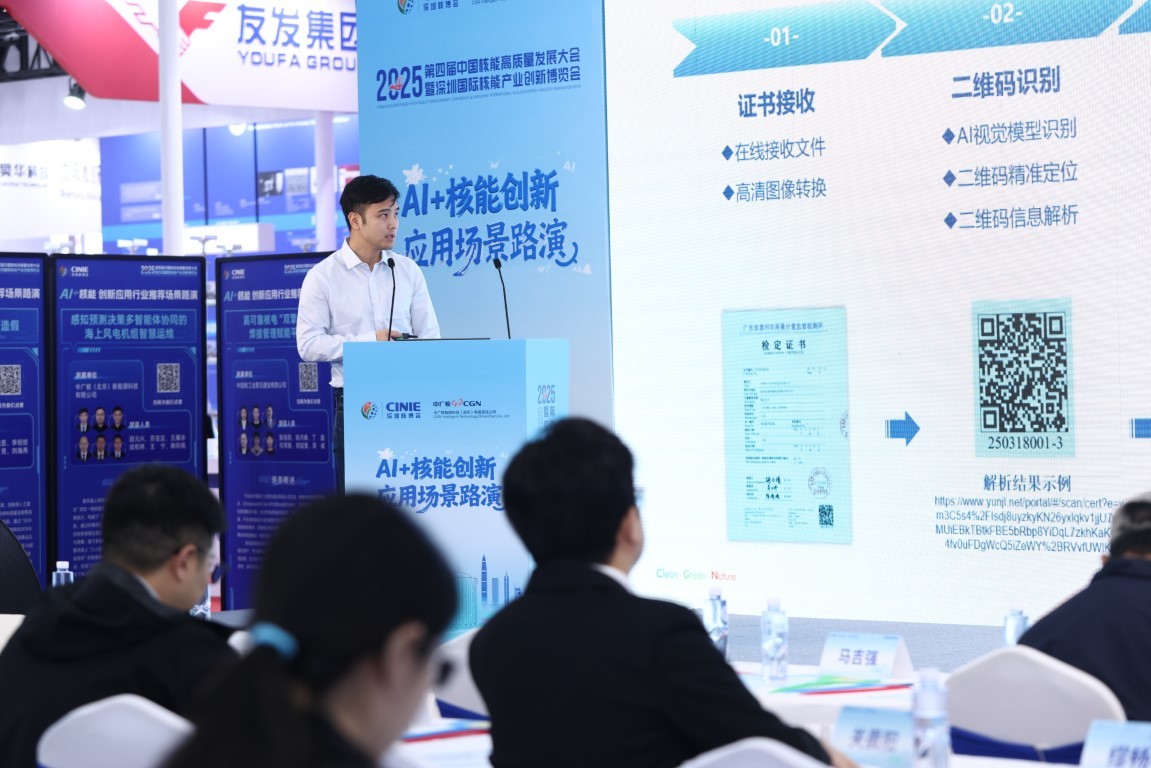
The system first receives certificates and uniformly converts them to image format, then uses AI small models to recognize QR codes of varying sizes, followed by web information scraping. The most critical step involves using large models to extract key information from both official website data and local certificates, then comparing items such as certificate numbers, issuing institutions, and dates item by item to determine consistency.
5. Verification Report and Ledger Functions (02:26)
The system generates verification reports showing whether certificates, URLs, and QR codes are authentic, presenting local certificates, official website information, and AI comparison results side by side. The system also features a ledger generation function that consolidates certificate information into Excel spreadsheets, reducing manual data entry and facilitating record retention.
6. Low-Cost In-House Development and Continuous Iteration (03:15)
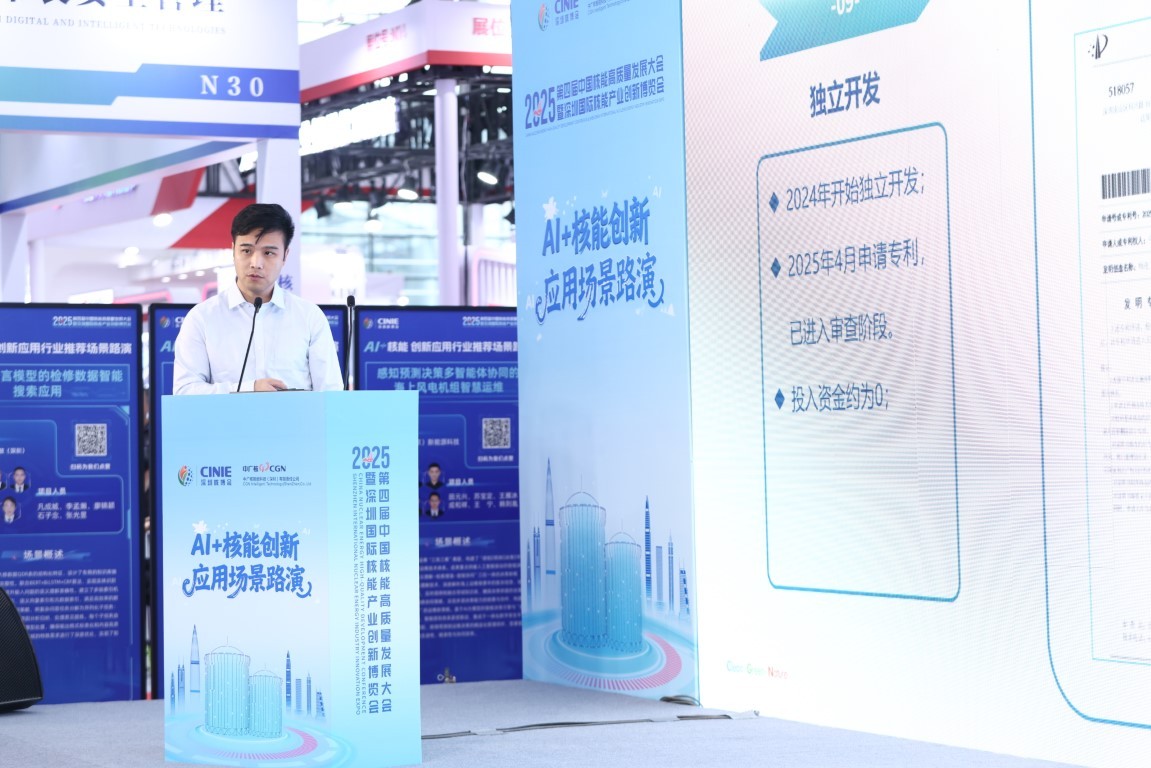
System development began in 2024, with performance improving after transitioning to large model technology in 2025, and a related patent was filed in April. The system was independently developed by frontline anti-counterfeiting staff with minimal funding and continues to undergo iterative updates.
7. Batch Verification Speed Demonstration (03:58)
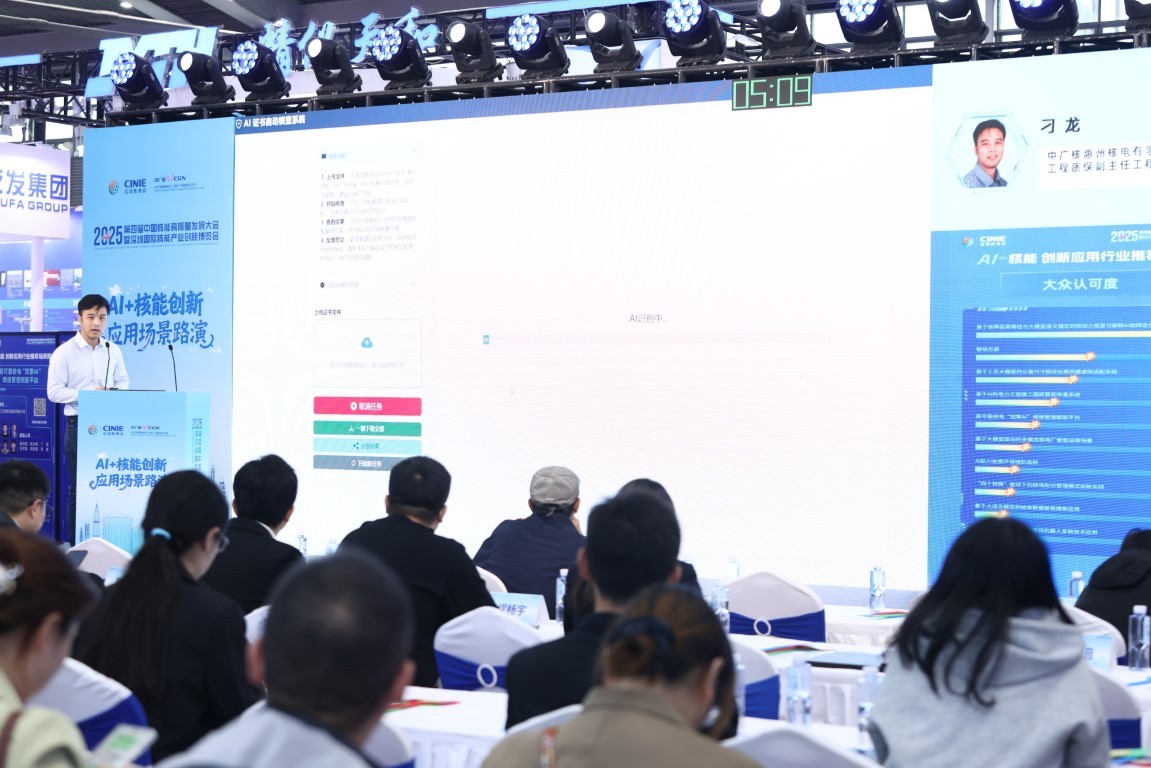
In the demonstration, after uploading certificates from twenty institutions, the system automatically completed image conversion, QR code recognition, web information scraping, and AI verification in the background. Due to varying server response times across certificate issuers, total processing time may vary, but in the demonstration, over twenty certificates were verified in under one minute, with images and text reports available for unified download.
8. Forged Certificate Test Results (05:24)
The team tested the system using a steel bar product quality certificate with tampered weight information. The official website showed 26 tons, while the local certificate had been altered to 28 tons. The system quickly flagged the certificate as suspicious after upload, successfully identifying the anomaly through algorithm optimization even with relatively small text.
9. Real-World Counterfeiting Case Identification (05:53)
During base steel bar tag verification, the system detected a QR code not on the whitelist, identifying it as fake. In another steel bar product certificate case, the system found no corresponding information on the official website. In external base case testing, the system identified a forged official website not on the whitelist. For a metrology certificate with an altered date, the system quickly identified the anomaly and highlighted it in red font.
10. Peer Evaluation and Performance Metrics (07:14)
The system received peer recognition at a group meeting evaluation, scoring highly on scope of application, verification speed, verification principles, accuracy, and degree of manual labor substitution. The presentation stated that the system can verify over a thousand certificates per hour, reaching four to five thousand per hour under optimal conditions, with accuracy exceeding 99 percent for standard-format certificates in testing.
11. Value and Promotion Prospects (07:51)
The system has received recognition as a good practice by the China Nuclear Energy Association, as well as innovation achievement awards at the municipal level and within the company. In terms of economic benefits, it is estimated to save approximately 10,000 working hours annually, with the more significant value lying in reducing work stoppages and safety risks caused by counterfeiting. In terms of social benefits, the presentation noted this is one of the earliest successful cases of applying AI to anti-counterfeiting in China. The system is currently available free of charge and can be applied to industries beyond nuclear energy, including construction, chemical, and mining sectors.
Timeline
00:07 - The presenter opens, introducing the organization, presentation topic, and overall framework.
00:39 - Explains the practical background of quality certificate anti-counterfeiting and the shortcomings of manual verification in efficiency, accuracy, traceability, and anti-counterfeiting.
01:28 - Moves into system solution introduction, sequentially explaining certificate reception, format conversion, QR code recognition, web scraping, large model comparison, report generation, and ledger export functions.
03:15 - Reviews the system's journey from its 2024 launch, the transition from OCR to large models, patent application, and low-cost in-house development by frontline staff.
03:50 - Demonstrates the system's actual operational performance, including batch upload, synchronized multi-certificate verification, result return, and report download.
05:24 - Through tampered weight test certificates and multiple real or external cases, demonstrates the system's ability to identify suspicious certificates, fake QR codes, missing official website information, and date alterations.
07:14 - Introduces system evaluation performance, verification speed, accuracy, awards and recognition, economic benefits, social benefits, and cross-industry promotion potential.
09:03 - Concludes the presentation and thanks the attending guests.
AI Extended Reading (The following content is AI-generated and may contain inaccuracies; please exercise discretion):
Practice and Value of AI-Empowered Authenticity Verification of Nuclear Power Quality Certificates
On November 14, 2025, Diao Long, Deputy Chief Engineer of Engineering Quality Assurance at CGN Huizhou Nuclear Power Co., Ltd., delivered a keynote report titled "AI-Based Automated Authenticity Verification System for Quality Certificates" at the "AI+Nuclear Innovation Application Scenario Roadshow" of the Shenzhen Nuclear Expo, introducing Huizhou Nuclear Power's intelligent exploration in the field of engineering quality certificate anti-counterfeiting. The system was developed against the backdrop of the strong demand for quality certificate authenticity in high-safety industries such as nuclear power. With the frequent occurrence of certificate counterfeiting in China, traditional manual verification methods have gradually exposed problems including low efficiency, error-proneness, difficulty in traceability, and insufficient anti-counterfeiting capability. Huizhou Nuclear Power generates approximately 100,000 certificates annually. Manual verification of each certificate not only involves enormous workload but also risks omissions or misjudgments when faced with complex formats, numerous fields, and diverse counterfeiting methods. Moreover, when contractors claim to have completed reviews but forged certificates still appear, it creates difficulties in responsibility determination.
The project underwent a technological transition from optical character recognition to AI large models. The early system adopted OCR technology to recognize certificate content, but its effectiveness was limited in scenarios involving complex layouts, small text, multiple fields, and non-standard formats. After large model technology matured further in 2025, the R&D team shifted to using AI large models for key information extraction and semantic comparison, combined with continuous iteration based on the practical experience of frontline anti-counterfeiting personnel. The project was independently developed by field staff with minimal funding investment, but through continuous optimization of recognition, scraping, comparison, and report generation processes, it gradually evolved into a deployable automated authenticity verification system for quality certificates.
The system's core workflow begins with online certificate reception. After certificate files from different sources and formats are uploaded, the system uniformly converts them to image format, laying the foundation for subsequent recognition and comparison. To address issues such as QR codes of varying sizes, clarity levels, and content formats, the system introduces AI small models to accurately recognize URLs, text, or other information embedded in QR codes. Subsequently, the system scrapes official website information based on QR codes or related links, and through extensive optimization of web scraping logic, improves scraping accuracy and stability, avoiding verification results being affected by factors such as webpage structure differences and access path changes.
In the authenticity determination stage, the system uses large models to extract key fields from both local certificates and scraped official website content, then compares multiple dimensions including certificate numbers, institution names, dates, product information, and weights. Unlike traditional mechanical field matching, the system supports a degree of fuzzy comparison and intelligent judgment, capable of identifying format differences, wording variations, and suspected tampering, while outputting conclusions on field consistency. After verification is completed, the system automatically generates certificate authenticity verification reports, centrally displaying local certificates, official website information, and AI comparison results, clearly marking whether QR codes, URLs, and certificate content are authentic or suspicious.
In addition to authenticity verification, the system also features automatic ledger generation capability. Key information from certificates can be automatically organized into electronic spreadsheets, reducing repetitive data entry and manual ledger compilation work for contractors and employees. The system supports web-based access and file upload via computers and mobile phones, with a relatively simple interface design that facilitates rapid operation by field personnel at engineering sites. This multi-terminal access approach enhances the system's applicability, extending certificate verification beyond office settings to construction sites, material intake, and quality acceptance processes.
From the demonstration results, the system has demonstrated strong batch verification capability. In testing, the R&D team used certificates from twenty different institutions for validation. After certificate upload, the backend automatically completed image conversion, QR code recognition, web scraping, and AI verification, with multiple certificates processed simultaneously. Over twenty certificates could be verified within one minute, with system processing speed reaching over a thousand certificates per hour, and up to four to five thousand per hour under further optimized conditions. Verification results support unified download, including certificate images, text reports, verification times, and comparison conclusions, facilitating subsequent archiving, auditing, and responsibility tracing.
In forged certificate testing, the system demonstrated strong recognition capability. Taking a steel bar product quality certificate as an example, testers altered the weight shown on the official website from 26 tons to 28 tons in the local certificate. The system identified the weight inconsistency through field comparison and flagged the certificate as "suspicious." This case demonstrates that the system can not only determine whether a certificate has official website records but also identify subtle differences between certificate content and official information, thereby detecting issues that manual visual inspection might overlook.
The report also presented multiple empirical cases. At one construction site, steel bar tags had previously passed contractor review, but the system detected anomalies during batch verification of hundreds to thousands of tags. Although the surface information on the tags appeared consistent, the QR codes were not on the whitelist and were identified as fake. In another steel bar product certificate case, a certificate that had passed contractor review was found to have no corresponding information on the official website upon system re-verification, exposing gaps in manual review. A Fangchenggang-related case revealed that counterfeiters had even created highly realistic fake official websites, but the system identified the URL anomaly through its whitelist mechanism, demonstrating that the system focuses not only on certificate content itself but also on the credibility of information sources. In a Ningde base metrology certificate date alteration case, a supplier changed 2022 to 2023 to circumvent expiration or uninspected issues. The system quickly identified the date inconsistency and highlighted it in red font, enhancing the visibility of exposed problems.
From a technical perspective, the system adopts a combination of "small models + large models," with small models primarily used for precise recognition of specific objects such as QR codes, while large models handle semantic extraction, multi-field recognition, and intelligent comparison of complex certificates. The system also employs multiple algorithms to optimize image processing, web scraping, and field matching processes, and utilizes multiple intelligent agents executing tasks in parallel to improve overall verification efficiency. In standard-format certificate scenarios, the system achieves verification accuracy exceeding 99 percent, with strong recognition capability for small text, complex fields, and tampered information. At group-related meeting evaluations, the system received high ratings in verification scope, verification speed, verification principles, accuracy, and degree of manual labor substitution.
The system's value is first reflected in safety assurance. Nuclear power engineering places extremely high demands on the authenticity of quality documents. Once forged certificates enter engineering sites, they may lead to material quality loss of control, distorted equipment status, work stoppages for rectification, or even nuclear safety hazards. Through AI-powered automated verification, the system can promptly detect anomalies during certificate entry into sites and circulation processes, reducing the risk of forged certificates entering the nuclear power engineering chain. Its core objective is to serve nuclear safety. In terms of economic value, the system is expected to save approximately 10,000 working hours of labor costs annually, reducing manual data entry, manual comparison, and repeated reviews, while also helping to avoid rework, work stoppages, and potential economic losses caused by forged certificates.
From an industry demonstration perspective, the project is considered one of the earliest successful cases of applying AI to certificate anti-counterfeiting in China. It has received recognition as a good practice by the China Nuclear Energy Association and has been acknowledged in municipal-level innovation achievement awards and internal company evaluations. Currently, the system has attracted attention and usage from multiple organizations within and outside CGN Group, with potential for promotion across industries including nuclear energy, construction, chemical, and mining. Since quality certificates, inspection reports, and product conformity documents are prevalent across numerous high-risk industries, the intelligent capability for certificate authenticity verification possesses strong universality. The system is currently available free of charge, facilitating trial use, validation, and secondary promotion by more organizations.
Disclaimer: Information republished from partner media, institutions or other websites is provided for reference and communication purposes only. It does not imply endorsement of its views or verification of its accuracy. Please contact us if any content infringes rights or requires correction.