
JAEA Plans to Adjust Decommissioning Plan for Monju Fast Breeder Reactor
 Scan to share
The Japan Atomic Energy Agency (JAEA) announced on August 21 that it plans to adjust the decommissioning plan for the "Monju" fast breeder reactor in Tsuruga City, Fukui Prefecture. Under the revised plan, the remaining neutron shielding layers and other components inside the reactor, along with 227 dummy fuel assemblies, will no longer be removed separately in the current phase as originally planned, but will instead be handled together during the subsequent reactor pressure vessel dismantling phase.
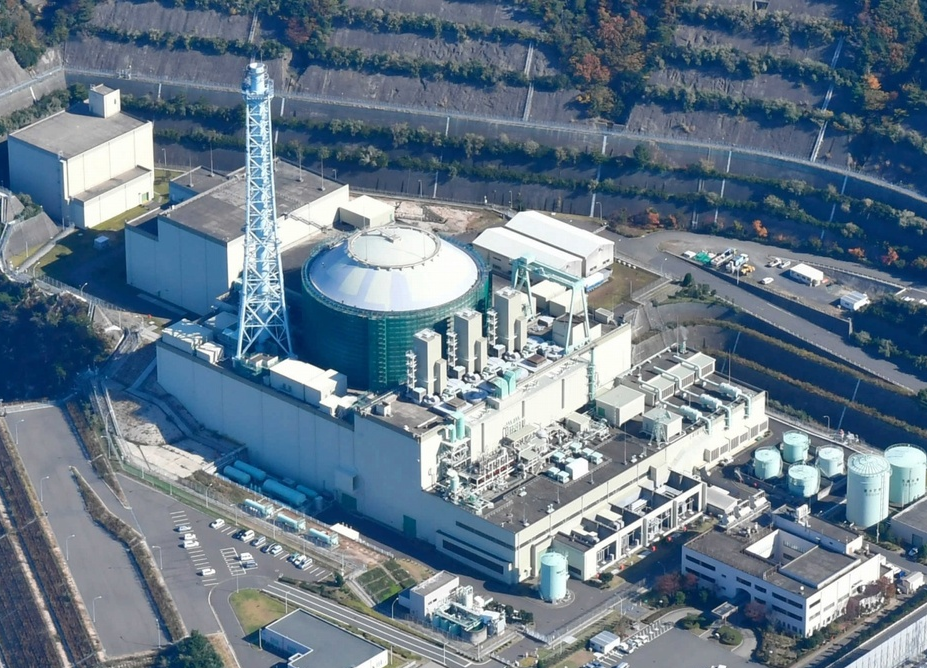
"Monju" is currently in the decommissioning process. Previously, JAEA had planned to proceed with the removal of internal reactor components within the current fiscal year, but due to two equipment failures, the related work was temporarily suspended, and the overall schedule is expected to be delayed by approximately one year. As of May 25, out of 595 shielding layers and related components in the reactor, 368 had been removed, with 227 dummy fuel assemblies still remaining inside the reactor.
JAEA stated that these dummy fuel assemblies were loaded into the reactor after the transition phase of decommissioning, with extremely low radioactivity levels and minimal sodium adhesion. The agency believes that postponing their handling to the reactor pressure vessel dismantling phase will help reduce the risk of new issues arising during current operations and allow subsequent work to shift focus toward the preparation for radioactive sodium removal. After the adjustment, the current dismantling work is still expected to be completed within the current fiscal year.
In addition to the arrangements for internal reactor components, JAEA has also developed a plan for the extraction and transport preparation of the primary coolant sodium. The plan involves constructing new piping to connect the existing system with transport containers, transferring the remaining liquid sodium in the reactor pressure vessel to transport containers for solidification treatment, then shipping it to the United Kingdom, and ultimately storing it in a newly built storage facility on site. Regarding the secondary system sodium, which contains no radioactive materials, the transport work will be initiated first.
JAEA plans to submit the revised decommissioning plan application to the Nuclear Regulation Authority this month. On the same day, officials from the Ministry of Education, Culture, Sports, Science and Technology and JAEA briefed Fukui Prefecture on the changes, and Tsuruga City also received a similar report. A representative of Fukui Prefecture stated that sodium removal is an important milestone in the decommissioning process and that the work will be carried out with caution going forward.
Disclaimer: Information republished from partner media, institutions or other websites is provided for reference and communication purposes only. It does not imply endorsement of its views or verification of its accuracy. Please contact us if any content infringes rights or requires correction.