
Thailand Plans to Include Small Modular Reactors in Power Development Plan, Targeting 9 GW by 2050
 Scan to share
Thailand's new draft Power Development Plan (PDP) is expected to be released in September and enter the public consultation phase. All four power supply scenarios under discussion incorporate small modular reactors (SMRs) and large-scale energy storage systems, covering the planning period from 2026 to 2050.
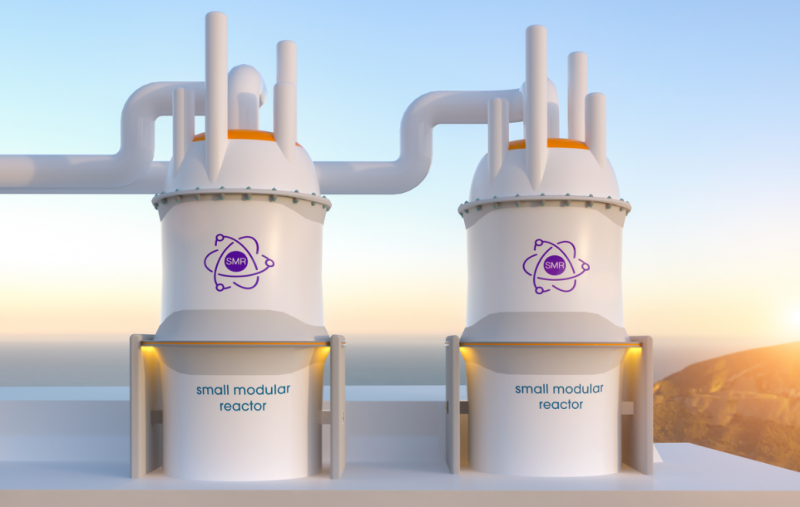
According to the draft's vision, Thailand plans to connect its first 300 MW-class small modular reactor to the national power grid by 2037, with nuclear power installed capacity reaching 9,000 MW by 2050. Based on a single-unit capacity of 300 MW, this target is roughly equivalent to approximately 30 reactors of similar scale, though the actual number may be adjusted depending on technology pathways and electricity demand.
The main objectives of the new plan include reducing greenhouse gas emissions, increasing the share of renewable energy, and maintaining electricity prices at a reasonable level. The four scenarios differ in cost, fuel mix, and strategic priorities, with the scenario featuring the highest clean energy share proposing that clean energy accounts for 89% of the mix by 2050, while fossil fuels decline to 11%. Given the intermittency of renewable sources such as wind and solar, all four scenarios are equipped with large-scale energy storage to enhance power system stability.
The Thai government is also studying the possibility of allowing private enterprises to participate in the development and operation of small modular reactors, aiming to accelerate the energy transition and support net-zero emission targets. However, some energy industry stakeholders in Thailand have called for the disclosure of SMR-related research findings—particularly project costs, technology selection, safety regulation, nuclear waste management, siting rationale, and potential long-term risks to the public—before the public consultation is held.
The Electricity Generating Authority of Thailand (EGAT) has launched a feasibility study on small modular reactors and formulated a five-phase implementation roadmap. Phase one is the preliminary feasibility study, covering technical, economic, potential site, legal, environmental, and seismic risk assessments; phase two involves environmental impact assessment, project approval, and construction permits; phase three is engineering and construction; phase four is commissioning and operation; and phase five covers decommissioning and dismantling at the end of the plant's lifecycle.
Ekarat Samintarapanya, Assistant Governor of EGAT, stated that small modular reactors can generate electricity continuously and stably, emit no carbon dioxide during operation, and some technologies incorporate passive safety systems. EGAT is hiring consultants to conduct the feasibility study and is advancing personnel training and public communication, with preparatory work expected to span more than a decade.
In terms of human resources and technical preparation, EGAT has established cooperation with nuclear engineering-related institutions at Chulalongkorn University and has engaged in exchanges with companies and organizations from South Korea, China, and the United States. Additionally, EGAT plans to collaborate with the Office of Atoms for Peace, the Thailand Institute of Nuclear Technology, and the International Atomic Energy Agency (IAEA) to promote nuclear talent development and capacity building.
Ekarat stated that advancing small modular reactors in Thailand requires meeting several key conditions, including clear and consistent government policies, well-established laws and regulations, fully validated technologies, project transparency subject to international review, sufficient talent reserves, and public understanding and acceptance. After the public consultation and revisions, the draft will be submitted to the National Energy Policy Committee for consideration, with the relevant procedures expected to be completed by the end of 2026.
Disclaimer: Information republished from partner media, institutions or other websites is provided for reference and communication purposes only. It does not imply endorsement of its views or verification of its accuracy. Please contact us if any content infringes rights or requires correction.