
Deep Fission Discloses Safety Design Agreement for Kansas Nuclear Pilot Project
 Scan to share
Deep Fission, the company building a nuclear reactor one mile underground in Parsons, Kansas, made its federally approved safety report public on Monday. The U.S. Department of Energy approved the company's safety design for its Gravity nuclear reactor in July of this year. A press release stated that the company publicly released the report, with only a very small number of details involving safety privacy redacted.
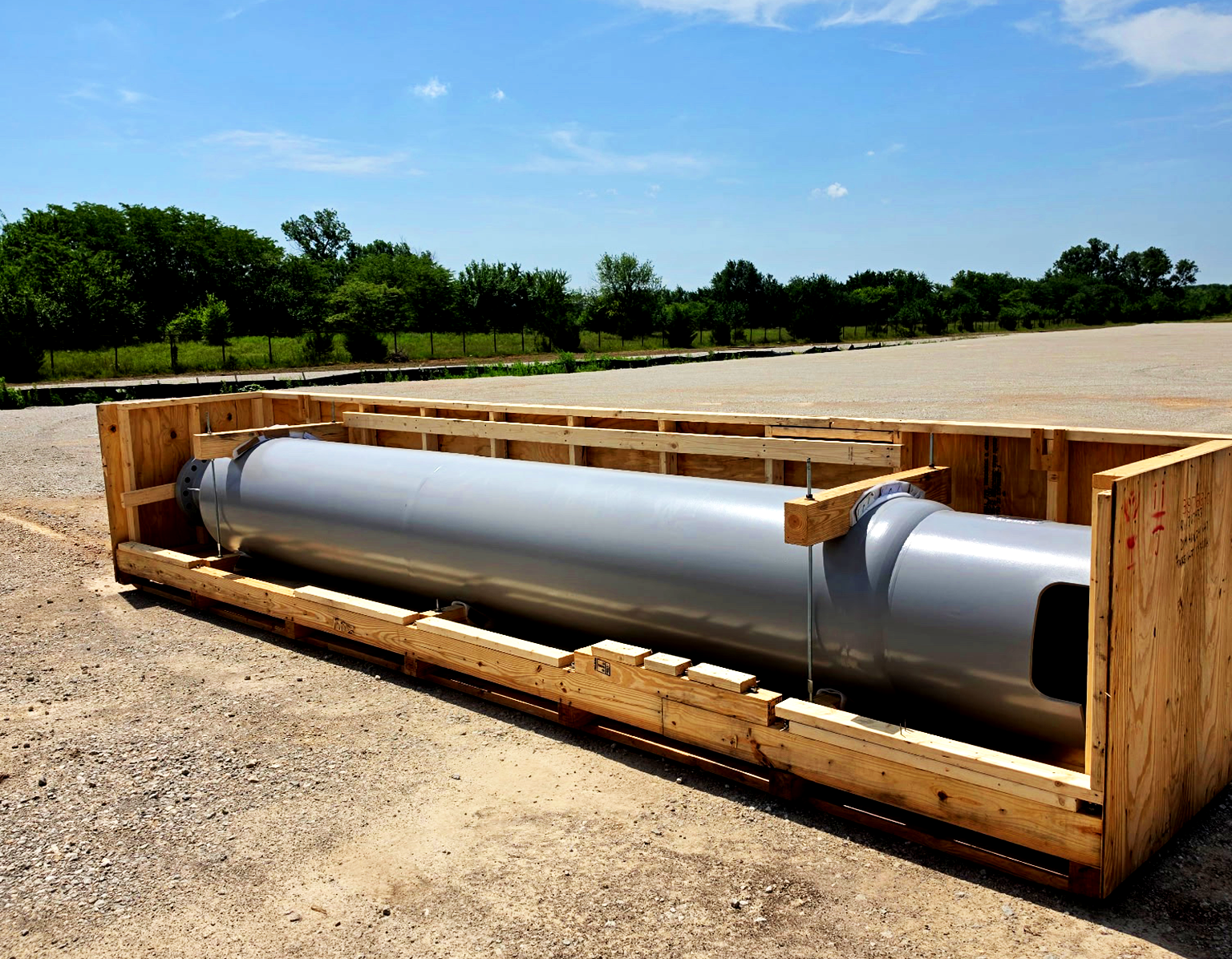
Liz Muller, co-founder and CEO of Deep Fission, said in the press release that the company disclosed the complete Nuclear Safety Design Agreement because they believe the public has the right to see the true safety basis behind the reactor, rather than simply taking the Department of Energy's word that its review has been completed. She added that a project with such ambition should be built in an environment of openness and transparency, and expressed hope that more peers in the industry would join this effort.
The project is a pilot effort centered on placing a small nuclear reactor inside a one-mile-deep borehole, sited at the Parsons Great Plains Industrial Park. However, local residents have opposed this previously untested innovative design and raised concerns about its safety.
Marjorie Reynolds, founder of the local advocacy group Prairie Dog Alliance, has been calling for transparency and oversight in the development process at the site. She pointed out that the community's concerns span the entire lifecycle of the reactor, such as the need to clarify how spent nuclear waste will be handled in the future.
Reynolds said that since the United States currently has no national permanent disposal repository for high-level radioactive nuclear waste, the company will at some point in the future have to store nuclear waste above ground. She cited the Wolf Creek nuclear power plant in Burlington as an example, noting that the plant currently stores spent nuclear fuel on-site. According to information on the official Kansas state website, the Kansas Department of Health and Environment operates an environmental radiation monitoring program that regularly inspects the storage facilities at the Wolf Creek plant to ensure that no radioactive material is released into the environment beyond technical specifications.
Deep Fission spokesperson Michael Padovano noted in an email to the Kansas Reflector that the 81-page Gravity reactor agreement establishes the safety and regulatory framework with the U.S. Department of Energy, covering design requirements, safety analysis methods, regulatory processes, and key safety decisions. He mentioned that obtaining approval from the U.S. Department of Energy is an early regulatory milestone for the project.
Padovano said this means the Department of Energy has accepted the framework Deep Fission will use as it advances the reactor design and safety analysis under the next phase of the Reactor Pilot Program. However, he also emphasized that this does not mean the reactor has been approved to operate, and additional safety reviews and approvals will still be required.
He revealed that Deep Fission worked closely with the Department of Energy during the review process to develop the agreement, and the Department of Energy's comments were incorporated through multiple revisions. The reactor design has not yet been finalized, and Deep Fission will continue to refine it as the project progresses through preliminary design and final design phases. Padovano said the Parsons project is in the design phase, safety analysis, and regulatory review, and will still require further approval from the Department of Energy in the future.
Deep Fission's project is part of the U.S. Department of Energy's Reactor Pilot Program, which opens a new pathway for advancing nuclear reactors through commercial licensing. According to the Department of Energy's page on the program, it aims to use the Department of Energy's authority to accelerate the development of advanced nuclear reactor technologies, with the ambitious goal of bringing at least three advanced nuclear reactor concept designs located outside the national laboratories to criticality by July 4, 2026.
Disclaimer: Information republished from partner media, institutions or other websites is provided for reference and communication purposes only. It does not imply endorsement of its views or verification of its accuracy. Please contact us if any content infringes rights or requires correction.