
US Senate Weighs $50 Billion Nuclear Energy Integrated Campus Plan, Aiming to Link Advanced Reactors, Waste Recycling, and AI Computing Centers
 Scan to share
The Senate Committee on the Environment and Public Works held a hearing on Wednesday to examine a federal plan totaling $50 billion. The plan proposes funding the construction of three regional future “Nuclear innovation campuses,” using abundant zero-carbon energy supply to attract heavy manufacturing and computing centers to cluster there, while also building radioactive waste storage and disposal facilities within the campuses in a coordinated manner.
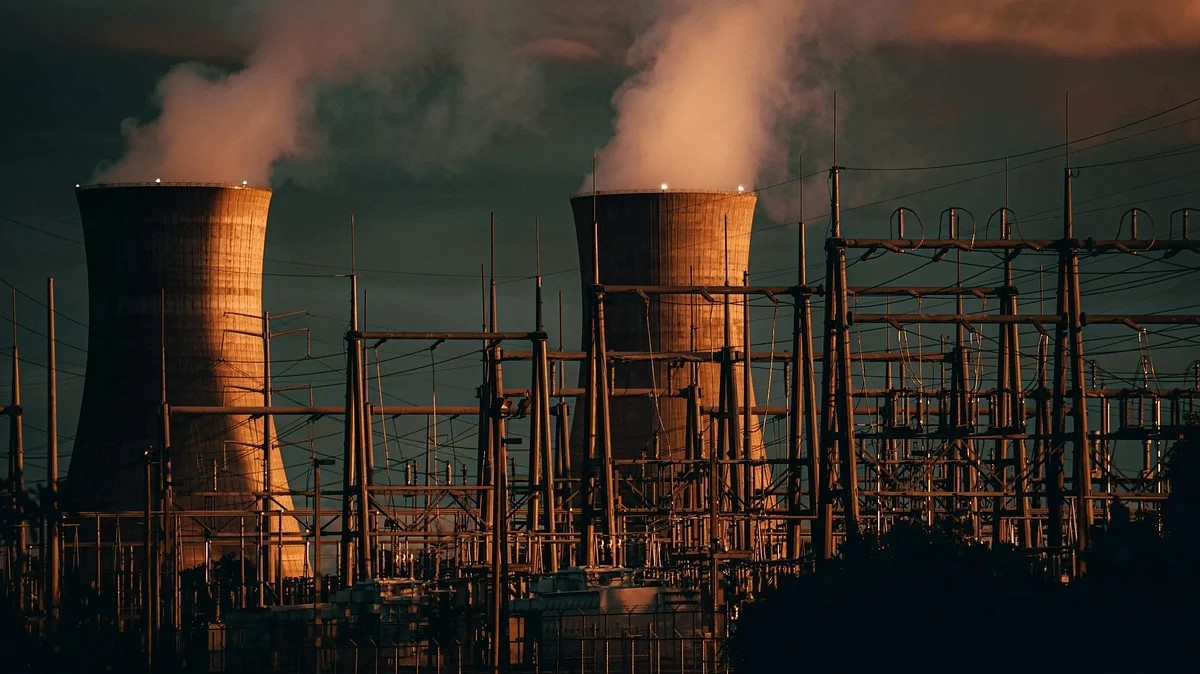
At the committee hearing, Lake Barrett, chairman of the American Nuclear Society Nuclear Waste Policy Task Force, urged Congress to amend the decades-old Nuclear Waste Policy Act to adapt to a new phase in which private capital is entering spent fuel Reprocessing. Barrett pointed out that because of long-standing stagnation at the federal level, taxpayers and electricity ratepayers currently bear about $800 million in fiscal costs each year just for the temporary storage of spent fuel rods, and this accumulating debt is turning the nation's strategic energy resource, which could otherwise be recycled, into a heavy fiscal burden.
The plan originates from the “Nuclear Lifecycle Innovation Campus” (NLIC) initiative proposed by the US Department of Energy (DOE) in July, which plans to establish three regional hubs, each integrating Data centers, Advanced reactors, and Nuclear fuel recycling facilities. At present, in addition to Tennessee, Louisiana, Utah, Oklahoma, and Idaho, which previously signed memoranda of cooperation, the Department of Energy formally added West Virginia in September as a candidate host location for a hub.
Unlike the previous model of handling nuclear materials in a dispersed manner, this plan seeks to use a “regional coordinated bundling” model to guide states to accept waste storage as a precondition in exchange for high-load manufacturing enterprises and advanced nuclear power plants locating there. The Department of Energy estimates that each hub can drive $10 billion in long-term local tax revenue and create 25,000 jobs. Shelley Moore Capito, chairman of the Senate Committee on the Environment and Public Works, said it is necessary to break the policy deadlock caused over the past four decades by the shelving of the Yucca Mountain permanent geological repository project in Nevada, advance the modernization of the outdated nuclear waste legislative framework, and prevent it from constraining the next phase of domestic advanced manufacturing and national energy security planning.
Disclaimer: Information republished from partner media, institutions or other websites is provided for reference and communication purposes only. It does not imply endorsement of its views or verification of its accuracy. Please contact us if any content infringes rights or requires correction.