
Swiss Study Assesses Role of New Nuclear Power in Winter Supply Security
 Scan to share
A recently highlighted Swiss energy system study evaluates new nuclear power as an option for long-term electricity supply and low-carbon transition. The study, commissioned by the Swiss Foundation for Technology Assessment (TA-SWISS), shows that under conditions such as timely commissioning, affordable costs and secured financing, new nuclear power plants can increase domestic low-carbon electricity supply, reduce import dependence, and complement renewable energy, grid and storage development.
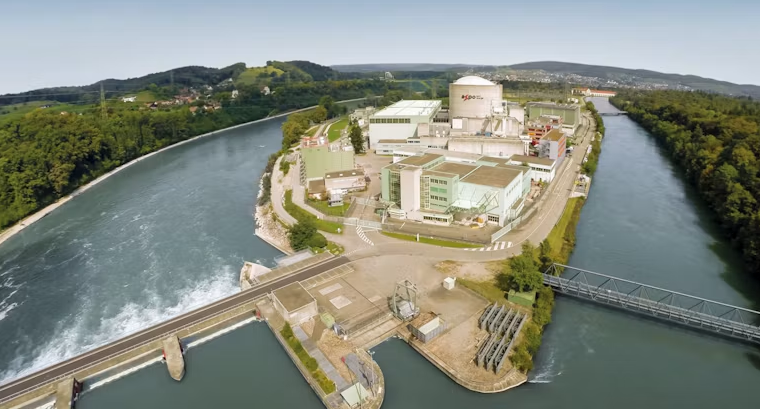
The study sets out three scenarios—open market, self-sufficiency and continuation of existing trends—to compare the impact of nuclear power on the energy system under different development pathways. In the open market scenario, without building new nuclear power plants, net electricity imports in the winter half-year in the longer term would be about 10.5 billion kWh; new units could significantly reduce this demand. This figure is a model result under specific assumptions and is not a definitive forecast of Switzerland's future import scale.
The contribution of new nuclear power is closely related to the timing of commissioning. The study considers that, ideally, putting units into operation before the middle of this century would deliver greater system value. In the open market scenario, including new nuclear power could reduce the total cost of the energy system over the study period by about CHF 4 billion to CHF 10 billion, equivalent to a reduction of 0.3% to 0.7%. These are comparison results for the entire energy system and cannot be equated with the returns of nuclear power projects themselves or the magnitude of reductions in household electricity prices.
Realizing this potential requires support from financing mechanisms, legal frameworks and responsibility allocation arrangements, while continuing to advance renewable energy, grid and storage development. The study incorporates nuclear power into a diversified energy transition pathway and emphasizes the importance of maintaining expertise in nuclear technology R&D, engineering construction and plant operation, in order to support the long-term operation of existing units and future nuclear power development.
Disclaimer: Information republished from partner media, institutions or other websites is provided for reference and communication purposes only. It does not imply endorsement of its views or verification of its accuracy. Please contact us if any content infringes rights or requires correction.