
The 31st UN Climate Conference Focuses on Nuclear Energy Electrification Goals
 Scan to share
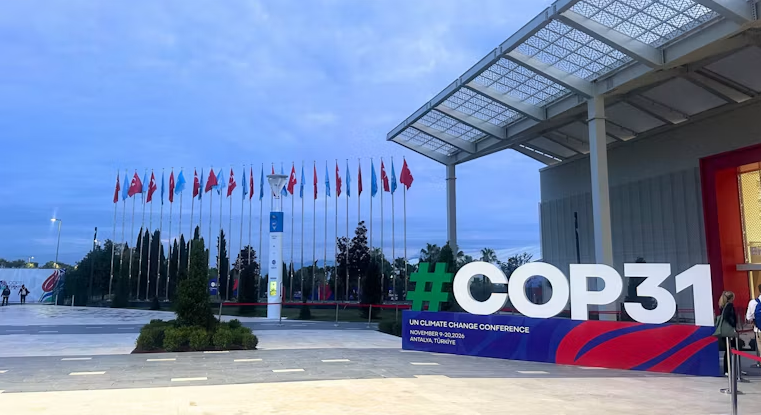
Recently, the 31st Conference of the Parties to the United Nations Framework Convention on Climate Change (COP31) was held in Antalya, Türkiye. During the conference, the International Atomic Energy Agency (IAEA), together with the U.S. Clean Air Task Force (CATF) and other think tanks, launched a call to explicitly incorporate nuclear energy as a core clean energy form into the “35 by 35” global voluntary electrification target system promoted by Türkiye, the host country of this conference, so as to accelerate the implementation of the global climate governance vision under the Paris Agreement.
The “35 by 35” goal aims to advocate raising the share of electricity in total final energy consumption to 35% globally by 2035. Representatives of the Clean Air Task Force (CATF) pointed out at a conference seminar that, as end-use energy demand shifts acceleratingly toward electricity, reliance on renewable energy alone will be insufficient to meet round-the-clock, large-scale power gaps. Nuclear energy possesses enormous technical potential and stability, and can provide solid support for the deep decarbonization of the global energy system at the scale and speed necessary to address climate change.
In his opening address to the conference, UN Secretary-General António Guterres issued a global call to accelerate the transition to clean energy, and stated bluntly that the space for fossil fuels is rapidly collapsing. Guterres emphasized that the era of dependence on fossil fuels must end, and that all countries must formulate national decarbonization plans with clear timetables and financing pathways, completely abandon reliance on fossil energy, and drive the global energy structure toward a new, clean and low-carbon stage.
Currently, the International Atomic Energy Agency and multiple nuclear industry associations worldwide are using the COP31 platform to urge all parties to translate political will into concrete project implementation measures. With more than 30 countries having previously signed a joint declaration committing to tripling nuclear installed capacity by 2050, nuclear energy is complementing renewable energy and together forming an indispensable key pillar of the future global clean power system.
Disclaimer: Information republished from partner media, institutions or other websites is provided for reference and communication purposes only. It does not imply endorsement of its views or verification of its accuracy. Please contact us if any content infringes rights or requires correction.