
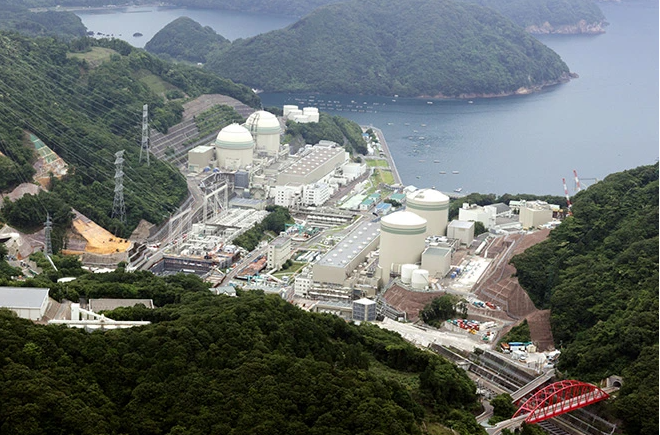
Takahama Nuclear Power Plant in Japan to Transport 1,600 Drums of Low-Level Radioactive Waste
Kansai Electric Power announced on September 4 that it will transport low-level radioactive waste generated at the Takahama Nuclear Power Plant to the Low-Level Radioactive Waste Disposal Center of Japan Nuclear Fuel Limited (JNFL) in Rokkasho Village, Aomori Prefecture. According to the plan, the dedicated low-level radioactive waste transport vessel Seiei Maru will berth at the Takahama Nuclear Power Plant on September 5 and depart on September 12 after loading is completed. If the transport schedule is adjusted due to factors such as weather conditions, Kansai Electric Power will announce the actual situation separately. This shipment consists of 200 dedicated containers holding 1,600 waste drums, all of which are cement-solidified waste, excluding homogeneously solidified waste.
2026-09-04
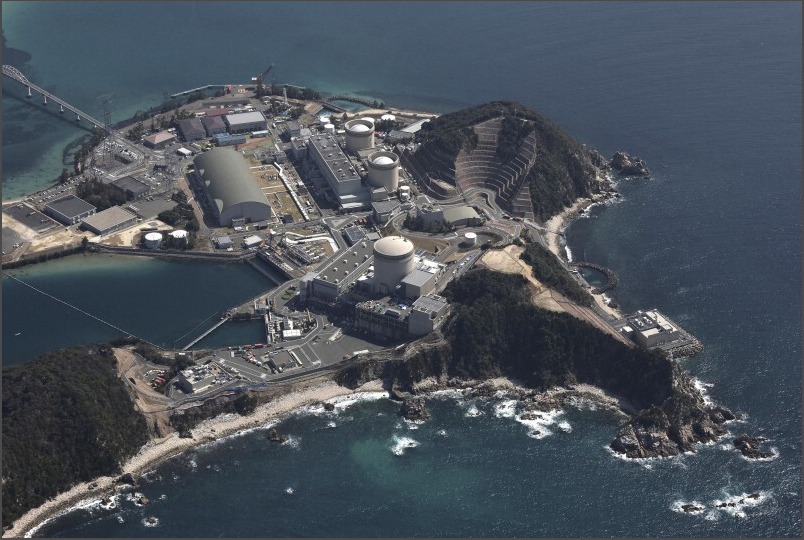
Kansai Electric Power Revises Nuclear Emergency Disaster Prevention Business Plans for Three Nuclear Power Plants
Kansai Electric Power Co., Inc. announced on August 27 that it has revised the nuclear operator disaster prevention business plans for the Mihama, Takahama, and Oi nuclear power plants in accordance with Japan's Act on Special Measures Concerning Nuclear Emergency Preparedness, and filed them with the Prime Minister and the Nuclear Regulation Authority on the same day. The revisions pertain to nuclear emergency disaster prevention arrangements at the three nuclear power plants. Kansai Electric Power stated that it will continue to ensure the safety of the nuclear power plants and enhance nuclear emergency disaster prevention measures in accordance with the relevant plans. According to the documents, the consultation period prior to the revisions was from May 13 to July 30, 2026, totaling 79 days. The consultation parties included the local governments where the nuclear power plants are located and related neighboring local governments.
2026-08-27
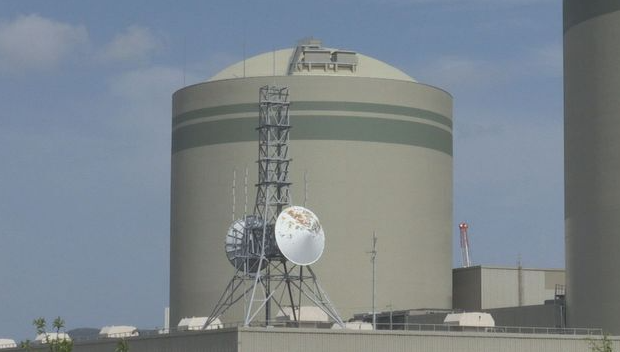
Water Leak at Pipe Joint of Primary Cooling Pump in Unit 2 of Takahama Nuclear Power Plant; Kansai Electric Confirms No Radioactive Impact
Kansai Electric Power announced on August 3 that a water leak was found at a cooling water pipe joint in Unit 2 of the Takahama Nuclear Power Plant in July. According to Kansai Electric Power, an inspection crew discovered the issue during a check inside the intermediate building on July 11, with a leak volume of approximately 3.4 liters, and repairs were carried out on the 14th. The leak occurred at the pipe connection of the No. 1 cooling water pump during a periodic inspection. The pipe has an outer diameter of 2 centimeters, is secured by threaded fittings, and was sealed with sealing tape. Kansai Electric Power preliminarily determined that the leak may have been caused by tape deterioration due to friction or insufficient wrapping. Currently, Kansai Electric Power re-wrapped the sealing tape on the 14th, and Unit 2 of the Takahama Nuclear Power Plant resumed normal operation on July 16, with no other abnormalities identified to date. It is worth noting that the taped section had undergone a disassembly inspection in 2018, when the plant was in a long-term shutdown state.
2026-08-04
A member of Japan's Nuclear Regulation Authority inspects safety management at the Takahama Nuclear Power Plant.
Tomoyuki Sugiyama, a commissioner of Japan's Nuclear Regulation Authority (NRA), recently visited Kansai Electric Power Co.'s Takahama Nuclear Power Plant to inspect safety management measures, the execution of routine inspections, and pre
2026-07-27
Reading Ranking
- 1 Kansai Electric Power Revises Nuclear Emergency Disaster Prevention Business Plans for Three Nuclear Power Plants
- 2 A member of Japan's Nuclear Regulation Authority inspects safety management at the Takahama Nuclear Power Plant.
- 3 Water Leak at Pipe Joint of Primary Cooling Pump in Unit 2 of Takahama Nuclear Power Plant; Kansai Electric Confirms No Radioactive Impact
- 4 Takahama Nuclear Power Plant in Japan to Transport 1,600 Drums of Low-Level Radioactive Waste