
Japan's Nuclear Plant Renewal Faces Labor Shortage Challenges
 Scan to share
Japan is planning to replace its aging nuclear reactors to enhance the nation's energy independence. However, the key issue is that labor shortages are threatening the progress of this effort. According to reports, up to 70% of related companies have reported difficulties in recruiting personnel, placing greater strain on an already tight schedule. The government has approved plans to build up to five new nuclear reactors by 2040, but the human resource bottleneck at the operational level is becoming an increasingly serious problem.
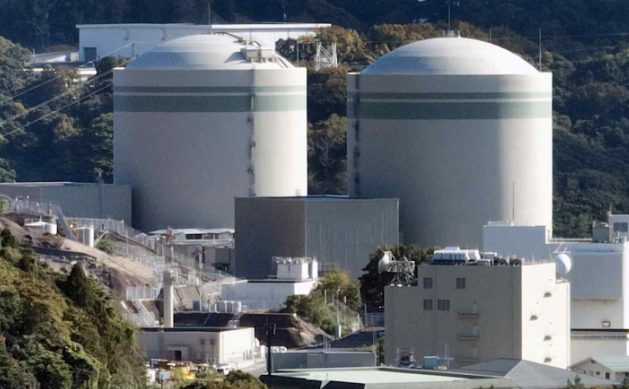
The labor shortage not only affects the progress of new projects but also puts pressure on the safe operation and maintenance of existing nuclear power plants. As aging reactors are gradually decommissioned, a large number of experienced technical personnel are needed to handle the construction, commissioning, and subsequent operational management of new reactors. However, due to factors such as demographic changes and the loss of skilled talent, Japan's reserve of professional personnel in the nuclear energy field is already insufficient, posing significant risks to the replacement plan.
To address this challenge, the government and related enterprises are actively seeking solutions. These include strengthening vocational training to attract young people into the nuclear energy industry; at the same time, consideration is being given to introducing overseas technical personnel to fill the domestic labor gap. In addition, the application of automation technology is also being put on the agenda, with the aim of reducing dependence on manual labor by improving production efficiency.
Despite numerous difficulties, the Japanese government remains firmly committed to advancing the nuclear plant replacement plan. This is not only to ensure the security of the nation's energy supply but also to achieve carbon neutrality goals. As a clean energy source, nuclear power will play an increasingly important role in the future energy mix. However, how effectively the labor shortage issue is resolved will directly determine the success or failure of this plan.
Currently, public attitudes toward the restart of nuclear power plants in Japan remain complex. Although the government is actively promoting this, public concerns about nuclear safety persist. Therefore, in addition to resolving technical and human resource issues, strengthening communication with the public and enhancing transparency are also key factors in ensuring the smooth implementation of the nuclear plant replacement plan.
Disclaimer: Information republished from partner media, institutions or other websites is provided for reference and communication purposes only. It does not imply endorsement of its views or verification of its accuracy. Please contact us if any content infringes rights or requires correction.