
Nitrogen Supply Unit at Fukushima Daiichi Nuclear Power Station Resumes Operation After Malfunction
 Scan to share
Tokyo Electric Power Company (TEPCO) reported on August 1 that a reactor nitrogen supply unit at the Fukushima Daiichi Nuclear Power Station malfunctioned that day, but was subsequently repaired and resumed gas supply. The company stated that during the malfunction, no significant fluctuations were observed in hydrogen concentrations inside the reactors of Units 1 to 3 or in surrounding radiation monitoring data, and no risk of hydrogen explosion was confirmed.
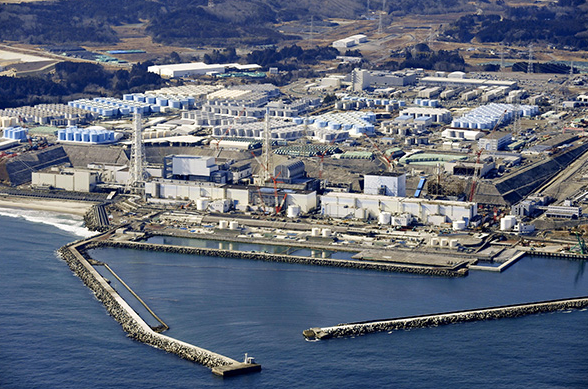
The reactor containments and pressure vessels of Units 1 to 3 at the Fukushima Daiichi Nuclear Power Station require continuous nitrogen injection to suppress hydrogen accumulation resulting from radiolysis of water. If hydrogen concentrations exceed a certain level, the risk of hydrogen explosion may increase.
According to TEPCO, at 11:14 a.m. on August 1, a worker confirmed that one of the three nitrogen separation units had stopped operating. Following the malfunction, the company conducted inspections of the nitrogen supply conditions for Units 1 to 3 and other related equipment.
TEPCO later updated that the faulty equipment had been repaired, and nitrogen supply resumed at 3:53 p.m. that day. Preliminary findings suggest the malfunction may have been caused by condensate water accumulating inside the equipment, which triggered a sensor designed to detect water accumulation. After the equipment resumed operation, hydrogen concentrations in the reactors and readings from surrounding monitoring stations still showed no significant changes.
Disclaimer: Information republished from partner media, institutions or other websites is provided for reference and communication purposes only. It does not imply endorsement of its views or verification of its accuracy. Please contact us if any content infringes rights or requires correction.