
Krško Nuclear Power Plant Operates at Full Capacity; Low Sava River Water Level May Affect Unit Output
 Scan to share
Slovenia's Krško Nuclear Power Plant continues to operate at full capacity, but due to low water levels and elevated water temperatures in the nearby Sava River, a reduction in reactor power cannot be ruled out in the future.
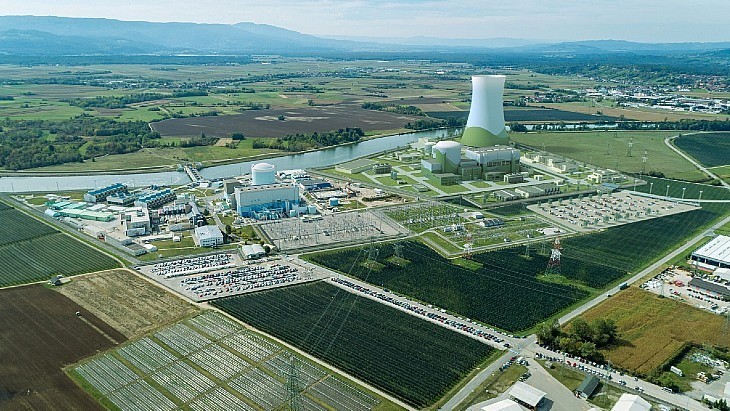
The plant stated that it is utilizing its cooling tower system and operating in compliance with environmental restrictions related to the Sava River. Due to insufficient recent precipitation, the Sava River's water level remains low, and river water temperatures are also staying in a higher range. Plant management also noted that increased cooling demands have already had a certain impact on the unit's power generation efficiency.
Krško Nuclear Power Plant has notified relevant authorities in Slovenia and Croatia that if environmental restrictions are further tightened, it may be necessary to reduce reactor power; in the most unfavorable scenario, the plant could even take gradual shutdown measures.
Croatian Prime Minister Andrej Plenković stated that there is currently no threat of shutdown at the Krško Nuclear Power Plant due to elevated Sava River water temperatures. He also noted that Croatia's electricity supply is secure and will maintain sufficient power delivery. Plenković further mentioned that declining Danube River water levels have prompted Hungary to activate relevant safety procedures at the Paks Nuclear Power Plant.
The Krško Nuclear Power Plant is located in southeastern Slovenia and is jointly operated by Slovenia and Croatia. The plant's existing unit was constructed by Westinghouse Electric Company of the United States and was commissioned in 1983. As the existing unit is planned for future retirement, Krško Nuclear Power Plant is advancing plans for the construction of a second unit.
Previous local reports indicate that during the heatwave in late June this year, water temperatures in the Sava River near the Krško Nuclear Power Plant approached critical levels. Low water levels and high water temperatures weaken the plant's water intake and heat dissipation conditions; therefore, during prolonged extreme weather, nuclear units typically need to adjust their operating modes in accordance with environmental permits and safety requirements.
Disclaimer: Information republished from partner media, institutions or other websites is provided for reference and communication purposes only. It does not imply endorsement of its views or verification of its accuracy. Please contact us if any content infringes rights or requires correction.