
Krško Nuclear Power Plant to Reduce Power Output Due to Sava River Water Temperature Pressure
 Scan to share
The Krško Nuclear Power Plant (Krško NPP) announced that, due to persistent abnormal hydrological and meteorological conditions in the Sava River, it will begin gradually reducing reactor power from the evening of August 6 to prevent river water temperatures from exceeding environmental standards. In the first phase, the unit's power output will be reduced to 80% of its maximum generating capacity.
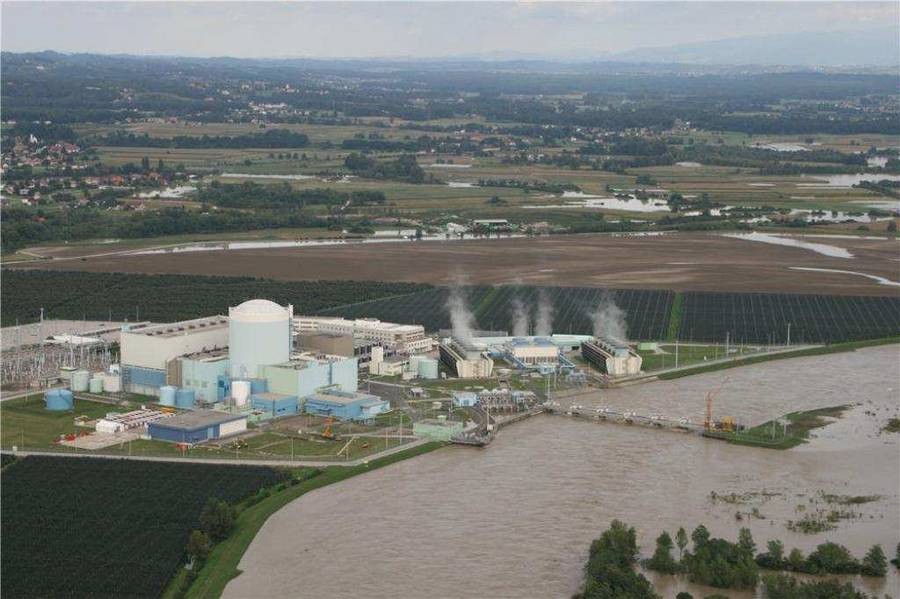
The plant stated that this power reduction is a planned, controlled, and temporary measure aimed at ensuring the Sava River water temperature remains within permissible limits. Relevant environmental standards stipulate that the daily average water temperature must not exceed 28 degrees Celsius, and the temperature increase of the river water caused by the plant's operation must not exceed 3 degrees Celsius.
The management of the Krško Nuclear Power Plant also stated that if the current high temperatures and low hydrological conditions persist, further reductions in power generation cannot be ruled out.
The Krško Nuclear Power Plant is located in southeastern Slovenia and is jointly operated by Slovenia and Croatia. The current unit at the plant was built by the American company Westinghouse and was commissioned in 1983. As the existing unit faces future decommissioning arrangements, the plant has proposed plans to construct a second unit.
Local public information shows that during the heatwave in late June, water temperature readings in the Sava River near the Krško Nuclear Power Plant were already approaching critical levels.
Disclaimer: Information republished from partner media, institutions or other websites is provided for reference and communication purposes only. It does not imply endorsement of its views or verification of its accuracy. Please contact us if any content infringes rights or requires correction.