
Romania postpones sinking barges to guide water flow, safeguarding cooling water supply for Cernavodă Nuclear Power Plant
 Scan to share
Romania's Secretary of State at the Ministry of Transport, Ionel Scrioșteanu, stated that the operation to sink four barges in the Bala branch of the Danube to increase the flow of cooling water sources for the Cernavodă Nuclear Power Plant has been postponed. After an operational meeting, the relevant authorities decided to postpone the sinking operation to Thursday morning for safety reasons.
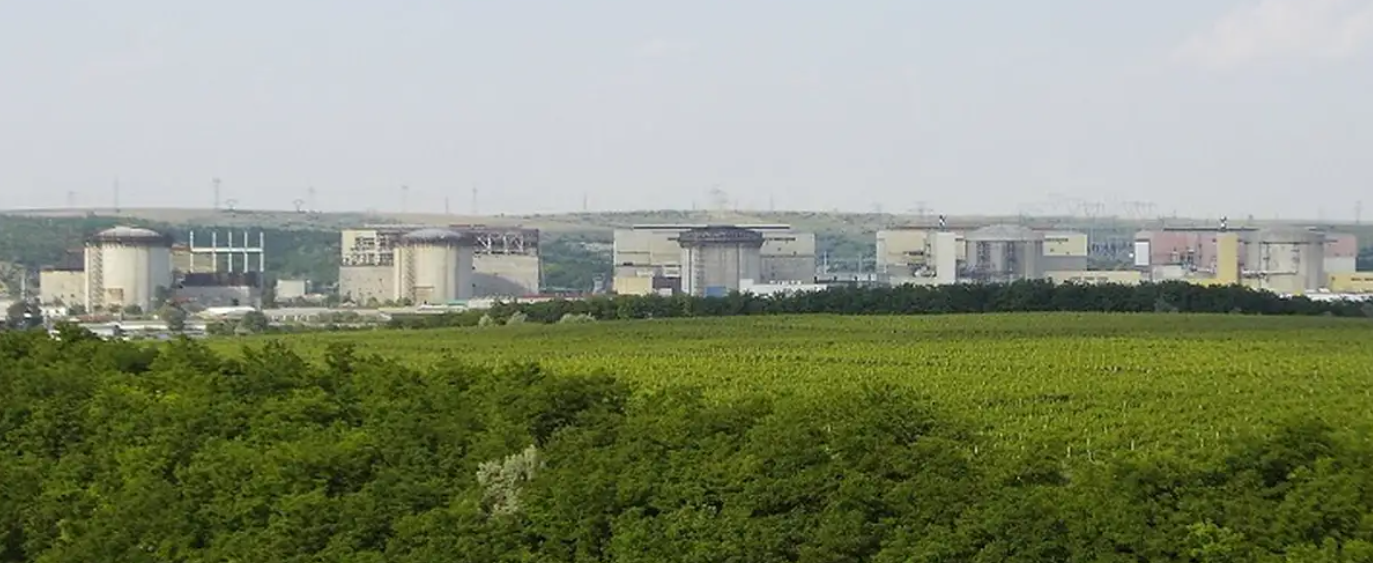
Under the previously planned approach, four barges loaded with rocks were to be positioned transversely in the river channel and sunk in a controlled manner. The measure was intended to alter local water flow, diverting more Danube water from the Bala branch toward the Old Danube branch, and then to the water intake area of the Cernavodă Nuclear Power Plant, thereby reducing the risk of the reactor cooling system being affected by insufficient water supply.
Recently, prolonged drought has led to a sharp decline in the Danube River water level. Unit 1 of the Cernavodă Nuclear Power Plant was shut down on July 28, and Unit 2 is currently also at risk of shutdown. The plant is Romania's only nuclear power plant, with two units currently in operation, generating approximately 20% of Romania's total electricity output.
To ensure water supply for the nuclear power plant, the Romanian military used approximately 180 kilograms of explosives on August 3 to blast open a rock formation in the riverbed of the Bala branch, improving water flow conditions. Ana Maria Agiu, spokesperson for the Romanian Water Authority (Apele Române), stated that the Danube water level has risen slightly since then, but the overall situation remains severe. Forecasts indicate that the Danube's flow rate may drop to a historic low by August 7.
Affected by drought and operational pressures on hydropower and nuclear power, the Romanian government had previously declared a state of alert in the energy sector and reached agreements with large industrial users to voluntarily reduce their electricity load at night. Meanwhile, the government has also taken measures to reduce energy consumption by enterprises, institutions, and residents to address electricity supply pressures.
Disclaimer: Information republished from partner media, institutions or other websites is provided for reference and communication purposes only. It does not imply endorsement of its views or verification of its accuracy. Please contact us if any content infringes rights or requires correction.