
Romania's Cernavodă Nuclear Power Plant to Shut Down Completely Due to Low Danube Water Levels
 Scan to share
On August 11 local time, Romania's national nuclear power company (Nuclearelectrica) stated that due to the continued decline in Danube water levels, the last operating unit at the Cernavodă Nuclear Power Plant in Constanța County, southeastern Romania, may be shut down on August 13. The company said that whether to implement a controlled shutdown of Unit 2 will depend on subsequent weather forecasts, changes in Danube water levels, and monitoring results of unit operating parameters.
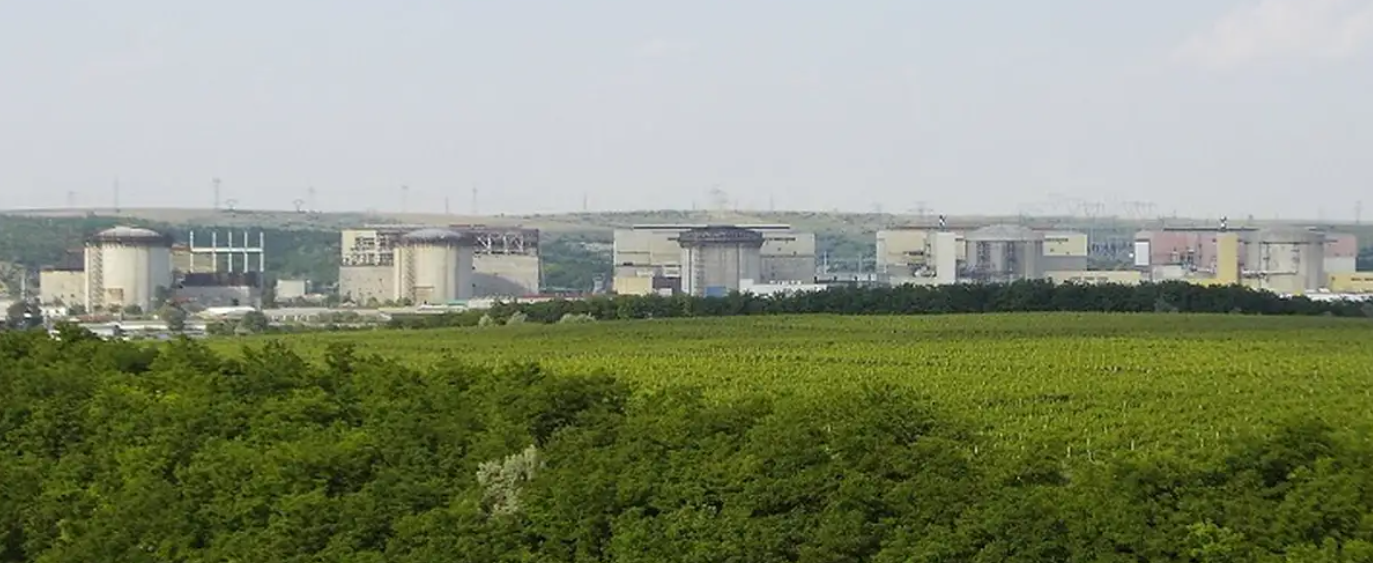
Sorin Lindasu, a representative of Romania's water utility company (Apele Române), stated that based on current forecasts, the complete shutdown of the Cernavodă Nuclear Power Plant within the next 48 hours is "unavoidable." On August 11, the Danube's flow rate at its Romanian estuary dropped to 1,370 cubic meters per second, below the previous historical low of 1,450 cubic meters per second. Meteorological forecasts indicate that no rainfall is expected in the Danube basin over the next five days.
The Cernavodă Nuclear Power Plant is Romania's only nuclear power plant, with two operating units, generating approximately one-fifth of the country's total electricity. Due to the sharp drop in river water levels caused by drought, Unit 1 was shut down on July 28. Cristian Bușoi, State Secretary of the Romanian Ministry of Energy, stated that Unit 2 will remain shut down throughout August; the water retention works previously implemented on the Danube to ensure water intake failed to achieve the expected results.
To maintain water supply to the nuclear power plant, Romanian authorities have recently taken multiple temporary measures, including blasting underwater rock obstacles in the Bala section, dredging the Old Danube riverbed, and sinking barges loaded with rocks to redirect water flow and create hydrodynamic conditions favorable for water intake. However, with flow rates continuing to decline and upstream rainfall unlikely to affect the Romanian stretch of the river, these measures have failed to prevent the rising risk of shutdown.
Romania has declared a state of energy emergency for August and has called on businesses and residents to voluntarily reduce electricity consumption during evening peak hours. The government has also formulated a phased power rationing plan, with advance notice and orderly power cuts to industrial users if necessary. Affected by sustained high temperatures and drought, electricity production, shipping, and public health systems across Europe have all been under pressure this summer.
Disclaimer: Information republished from partner media, institutions or other websites is provided for reference and communication purposes only. It does not imply endorsement of its views or verification of its accuracy. Please contact us if any content infringes rights or requires correction.