
Romania Plans to Allocate 51 Million Lei for Danube Dredging to Ensure Operation of Cernavodă Nuclear Power Plant
 Scan to share
The Romanian government will allocate 51 million lei for Danube River dredging works, an arrangement specifically highlighted as crucial to the Cernavodă Nuclear Power Plant. The Danube is not only an important shipping route for Romania but is also closely linked to the operation of energy infrastructure—river water depth, flow conditions, and water intake safety all affect the stable operation of coastal industrial and power facilities.
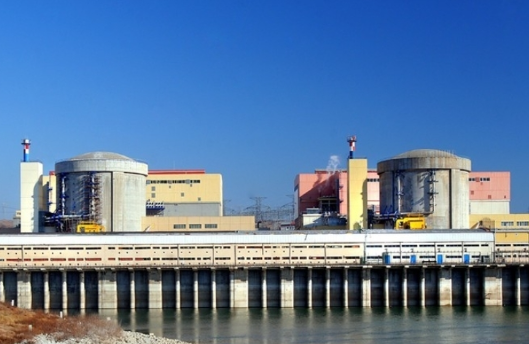
The Cernavodă Nuclear Power Plant is a key asset in Romania's power system, and its operation requires stable water source conditions as cooling assurance. If the Danube experiences low water levels, sediment accumulation, or navigational obstructions, it could increase operational management pressure on the nuclear power plant and also affect the transport of fuel, equipment, and related materials. Therefore, the investment in dredging funds is not merely a waterway maintenance project but also carries significance for energy security and public infrastructure assurance.
In recent years, multiple European rivers have been affected by drought, extreme heat, and hydrological fluctuations, making the vulnerability of inland waterway shipping and energy systems more pronounced. Romania's allocation reflects the government's attention to climate risks and infrastructure resilience, especially against the backdrop of nuclear power providing stable baseload electricity supply—ensuring the navigability and usable water conditions of key Danube sections carries a clear preventive policy character.
From an economic perspective, Danube dredging may also drive improvements in port transport, cross-border trade, and regional logistics efficiency. For Romania, maintaining the Danube waterway serves not only its domestic energy projects but also the trade connections of the Black Sea–Danube basin. Although the 51 million lei investment targets specific works, its impact may extend to multiple areas including energy supply, transportation, and regional economic stability.
Disclaimer: Information republished from partner media, institutions or other websites is provided for reference and communication purposes only. It does not imply endorsement of its views or verification of its accuracy. Please contact us if any content infringes rights or requires correction.