
Hungary's Paks Nuclear Power Plant Avoids Full Shutdown as Danube Rises 2 cm, Now Operating at Only 240 MW
 Scan to share
From the night of August 4 to the early morning of August 5, Hungary's Paks Nuclear Power Plant (about 100 km south of Budapest, commissioned in 1982, never fully shut down in its history) nearly disconnected from the grid due to low Danube water levels—3 of its 4 units had been sequentially shut down, leaving only one turbine operating at about 240 MW (normal output near 2,000 MW), supplying roughly half of Hungary's electricity.
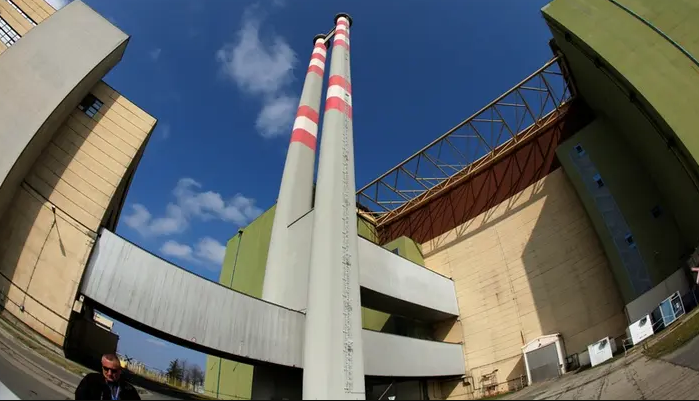
Hungarian Prime Minister Péter Magyar stated that the river level rose about 2 cm overnight, allowing the final unit's cooling to be maintained and averting the first full shutdown in 44 years; temperatures are still expected to exceed 40°C in the coming days, with cooling and rainfall only anticipated around Friday (approximately August 8).
To alleviate energy pressure, Prime Minister Magyar thanked businesses that voluntarily reduced their electricity consumption. He noted that while the situation remains severe, there is hope on the horizon, particularly expecting cooler temperatures and rainfall by Friday. Hungary anticipates temperatures exceeding 40°C in the coming days, further straining electricity and water supplies.
To assist Hungary in addressing the crisis, Slovak Prime Minister Robert Fico expressed willingness to provide aid. He pointed out that the cooling systems at Slovakia's Mochovce and Bohunice nuclear power plants differ from those at Paks and are currently operating normally without threat. Fico has already discussed assistance plans with the Economy Minister and the head of Slovak Power Company.
Disclaimer: Information republished from partner media, institutions or other websites is provided for reference and communication purposes only. It does not imply endorsement of its views or verification of its accuracy. Please contact us if any content infringes rights or requires correction.