
Rosatom States Respect for Hungary's Autonomy, Still Hopes to Continue Leading Paks NPP Expansion Project
 Scan to share
Rosatom publicly stated on October 23 that it hopes the Hungarian government will continue to select it as the general contractor for the Paks NPP expansion project, but the Russian side also clearly emphasized that it fully respects the legitimate sovereignty of the Hungarian government to make the final decision based on its own interests. This statement comes at a critical juncture when the international community is widely watching the future direction of this flagship cross-border nuclear power project.
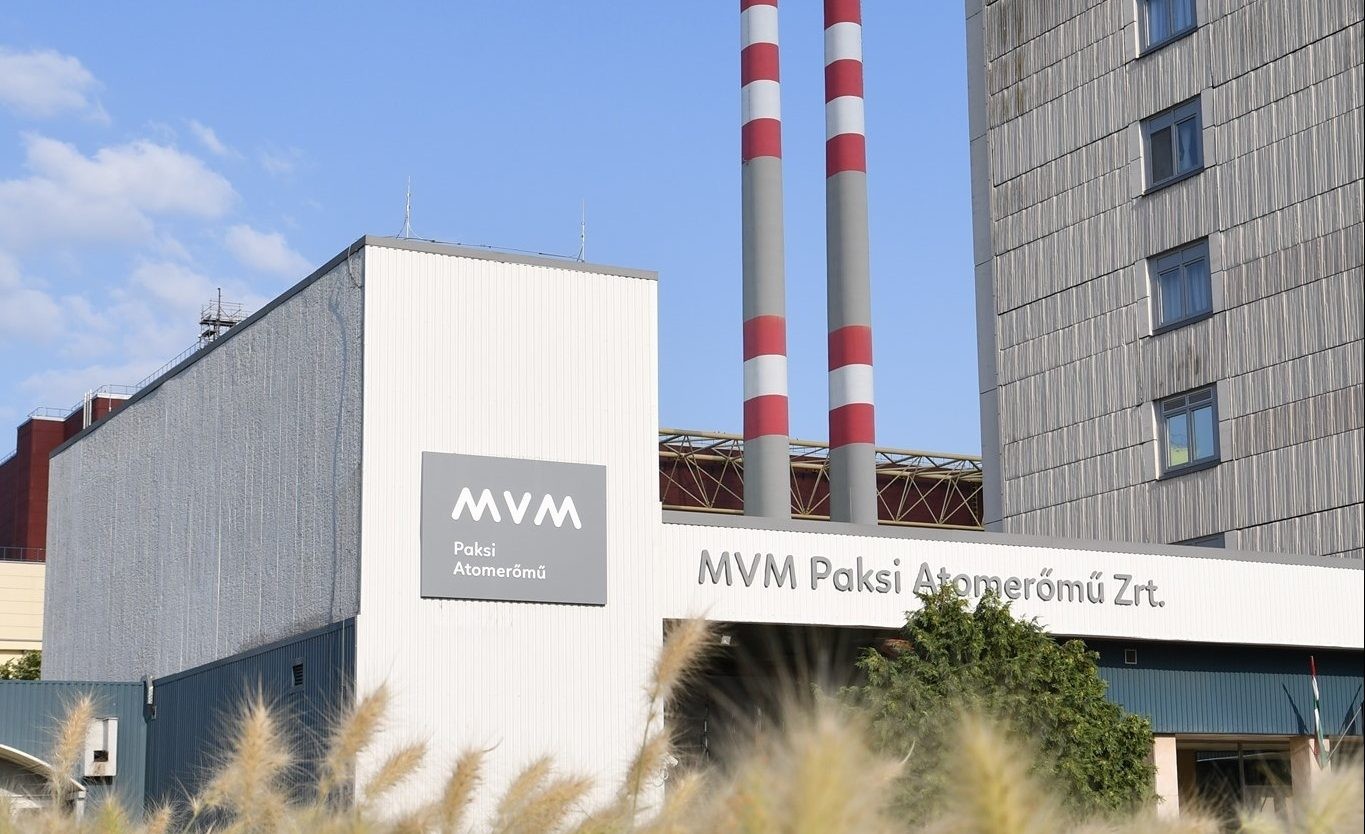
It is understood that, as part of a comprehensive review of this major nuclear energy project, Hungary is currently assessing the possibility of replacing the general contractor Rosatom and has begun contacts and preliminary soundings with potential alternative international suppliers. This development has drawn great attention from the international nuclear industry regarding the project's construction implementation path and supply chain restructuring.
In response to external deliberations and speculation about alternatives, Rosatom Director General Alexey Likhachev pointed out on Friday that Hungary is still conducting in-depth special audits and assessments of the Paks NPP expansion project, and uncertainty remains as to what final decision Hungary will make; however, Likhachev emphasized that Rosatom has always been closely cooperating with the review and continues to hold expectations for achieving a positive and mutually beneficial cooperation outcome.
The Paks NPP, located in central Hungary, supplies most of the country's baseload electricity, and its expansion project has long been one of the most important strategic cooperation projects between Russia and Hungary in the fields of civil nuclear energy and industrial infrastructure. In the face of the current complex geopolitical environment and cross-border project reviews, subsequent decisions by all parties on dimensions such as project performance stability, equipment procurement compliance, and continuity of the technical route will directly determine the future construction pace of this large nuclear power base in Central Europe.
Disclaimer: Information republished from partner media, institutions or other websites is provided for reference and communication purposes only. It does not imply endorsement of its views or verification of its accuracy. Please contact us if any content infringes rights or requires correction.