
Three U.S. Nuclear Energy Companies Explore Manufacturing Next-Generation Reactor Fuel from Recycled Nuclear Materials
 Scan to share
U.S. nuclear energy companies Curio, NuScale Power, and Framatome have signed a memorandum of understanding to evaluate the feasibility of converting recycled nuclear materials into next-generation reactor fuel and related products. The tri-party collaboration is not focused on immediate commercial production, but rather on research into technical feasibility, fuel development, manufacturing capabilities, supply chain integration, and future commercial deployment, seeking to connect spent fuel recycling, fuel fabrication, and advanced reactor applications into a more complete industrial chain.
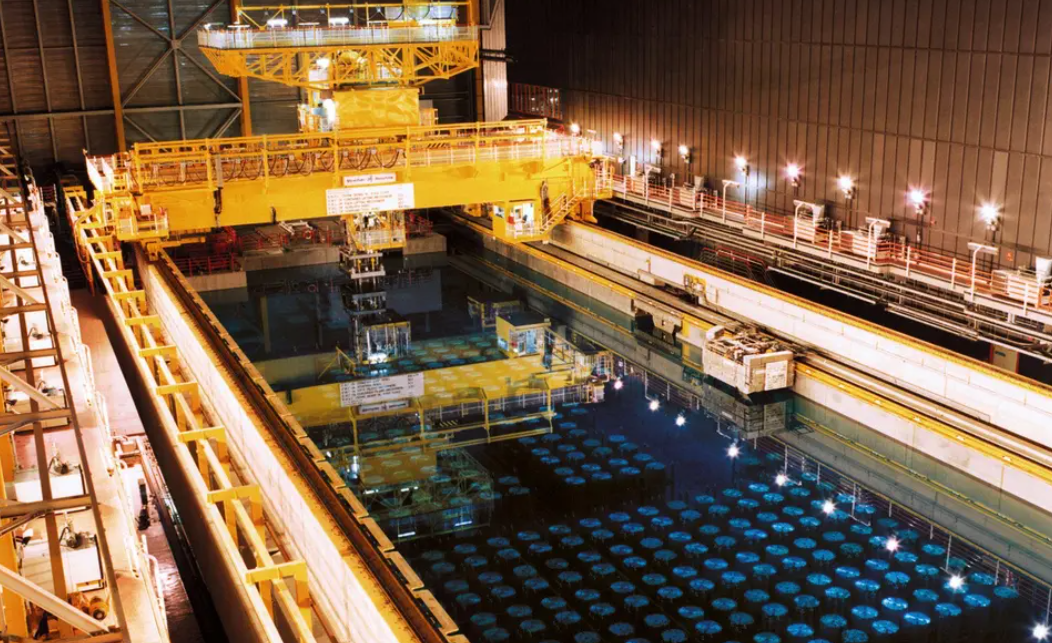
Under this collaboration, Curio will provide its NuCycle nuclear fuel recycling technology, aiming to recover reusable strategic nuclear materials from spent fuel, with claims of reducing residual waste volume by up to 97%. NuScale brings its small modular reactor technology, with its NuScale Power Module being a pressurized water reactor design with a single-module generating capacity of 77 megawatts, which can be combined in multiple modules to form larger-scale power plants. Framatome's role focuses on nuclear fuel fabrication, reactor systems, and related services, providing engineering and industrial experience for fuel development and practical application.
The three companies will study two pathways—"source to product" and "source to fuel"—evaluating how materials recovered from used nuclear fuel can enter new product or new nuclear fuel systems. The work will also cover fuel qualification, processing and fabrication, interface matching, and supply chain requirements to determine whether these recycled materials can meet advanced reactor requirements at scale.
This collaboration comes against the backdrop of rising global demand for new reactors and the United States' pursuit of a more resilient domestic nuclear fuel supply system. Curio CEO Ed McGinnis stated that for the United States to lead the next phase of nuclear energy development, it must not only build reactors but also establish the fuel cycle infrastructure that supports reactor operations. Framatome and NuScale also emphasized that advanced nuclear deployment requires a reliable, sustainable fuel supply covering both front-end and back-end processes.
If subsequent evaluations proceed smoothly, this collaboration could further develop into agreements on technology development, fuel qualification, supply chain construction, and commercial deployment. For small modular reactors and other advanced reactors, a stable fuel source is as critical as the reactor technology itself; incorporating recycled spent fuel materials back into the fuel system may also offer new pathways for reducing nuclear waste, improving resource utilization, and strengthening the nuclear supply chain.
Disclaimer: Information republished from partner media, institutions or other websites is provided for reference and communication purposes only. It does not imply endorsement of its views or verification of its accuracy. Please contact us if any content infringes rights or requires correction.