
Radiation detector malfunction at Unit 2 of Japan's Onagawa Nuclear Power Plant causes hundreds of abnormal reading fluctuations
 Scan to share
Tohoku Electric Power Company of Japan announced on August 6 that a detection equipment malfunction occurred at Unit 2 of the Onagawa Nuclear Power Plant, located in Onagawa Town and Ishinomaki City, Miyagi Prefecture. The issue involved detectors used to measure radiation levels in the main steam lines, which transport steam generated by the reactor to the turbine. Among the four detectors, one displayed readings in the central control room that surged and dropped sharply, repeating hundreds of times.
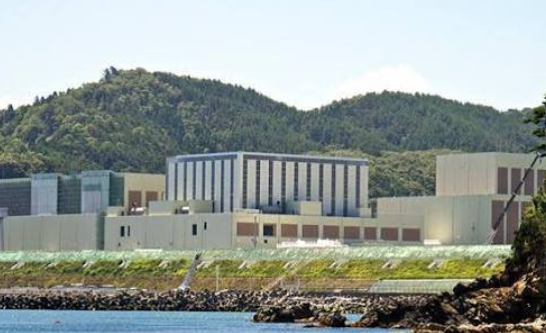
Based on publicly available information, Tohoku Electric has classified this incident as a detector malfunction rather than an abnormal release of radioactive materials or a sudden change in reactor operating conditions. The company stated that the situation does not constitute a problem under security regulations, meaning that from the operator's judgment, the incident did not reach a level requiring handling as a major safety violation. However, radiation monitoring equipment itself serves the functions of anomaly identification and early warning, and frequent drastic fluctuations in readings are still likely to raise external concerns about monitoring reliability.
Unit 2 of the Onagawa Nuclear Power Plant is located in the Tohoku region, which was profoundly affected by the Great East Japan Earthquake and the Fukushima nuclear accident in 2011. Any malfunction related to radiation monitoring carries heightened sensitivity. Even though the operator has stated that there is no issue under security regulations, the public will still be concerned about the cause of the malfunction, its duration, whether it affects the judgment of other monitoring systems, and whether technical factors such as equipment aging, inadequate maintenance, or signal transmission anomalies are involved.
The key to this incident lies in the sufficiency of subsequent information disclosure. The operator needs to explain the specific investigation results for the faulty detector, whether alternative monitoring measures are functioning normally, whether the other three detectors remain stable, and whether the incident has been reported to regulatory authorities with recurrence prevention measures implemented. For nuclear facilities, safety depends not only on the operation of the reactor itself, but also on whether the monitoring system can continuously and accurately provide reliable data to the control room.
Disclaimer: Information republished from partner media, institutions or other websites is provided for reference and communication purposes only. It does not imply endorsement of its views or verification of its accuracy. Please contact us if any content infringes rights or requires correction.