
Rising Seawater Temperatures Prompt New Nuclear Safety Rules: TEPCO Sets Temporary Shutdown Criteria for Kashiwazaki-Kariwa Plant
 Scan to share
Tokyo Electric Power Company Holdings announced on August 7 that it has established a set of self-determined criteria for evaluating whether to temporarily halt nuclear reactor operations at the Kashiwazaki-Kariwa Nuclear Power Plant in Niigata Prefecture, in response to rising seawater temperatures in the surrounding area. These criteria are not mandatory requirements directly imposed by external regulatory authorities, but rather proactive measures voluntarily implemented by TEPCO based on safe operational needs.
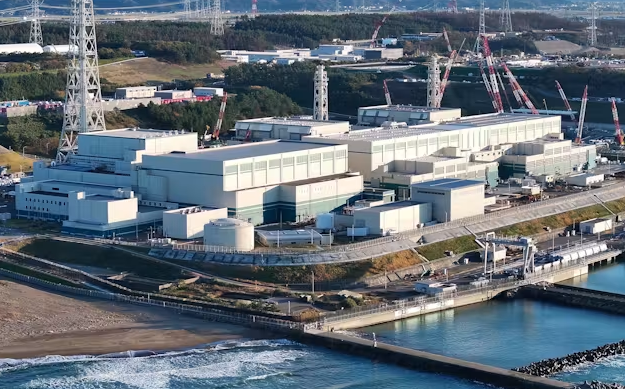
According to the conditions announced by TEPCO, the company will consider temporarily shutting down the relevant nuclear facilities when the 7-day average seawater temperature in the waters surrounding the plant exceeds 31 degrees Celsius, when water temperatures above 34 degrees Celsius are observed, or when water temperatures above 33 degrees Celsius persist for 12 hours. These numerical thresholds indicate that seawater temperature has been incorporated as a key variable in nuclear power plant operational risk management.
TEPCO explained that in the event of a severe accident, the nuclear power plant may need to activate emergency diesel generators and other equipment, which rely on seawater for cooling. If seawater temperatures are too high, cooling efficiency may decline, potentially affecting equipment performance. In other words, seawater is not only part of the daily operating environment of the nuclear power plant, but also critical to whether the accident response systems can function stably.
The report noted that the local seawater temperature on August 7 was 28 degrees Celsius, with TEPCO stating that this summer's water temperatures have been higher than the historical average. Historically, in September 2010, the 7-day average seawater temperature exceeded 31 degrees Celsius, indicating that this risk is not purely hypothetical but has precedent under past climatic conditions.
This measure reflects that, against the backdrop of global ocean warming, nuclear power plant safety assessments are facing new climate pressures. In the past, nuclear risk discussions have focused primarily on earthquakes, tsunamis, equipment aging, and human management issues. Now, the impact of high-temperature seawater on cooling systems has also become a factor that operators must address proactively. As an important nuclear facility in Japan, the adjustment of operational criteria at the Kashiwazaki-Kariwa Nuclear Power Plant may also serve as a reference for other coastal nuclear power plants.
Disclaimer: Information republished from partner media, institutions or other websites is provided for reference and communication purposes only. It does not imply endorsement of its views or verification of its accuracy. Please contact us if any content infringes rights or requires correction.