
Pakistan Calls for Removing Barriers to Civilian Nuclear Energy at UN General Assembly, Urges Depoliticization of Safeguards Disputes
 Scan to share
At the plenary meeting of the United Nations General Assembly reviewing the annual report of the International Atomic Energy Agency, the Pakistan delegation explicitly called on the international community to guarantee the right of all countries to equal and non-discriminatory access to peaceful uses of nuclear energy technology, urged all parties to properly resolve outstanding safeguards disagreements through diplomatic and dialogue mechanisms, and firmly opposed the politicization of nuclear non-proliferation issues. This initiative echoes the IAEA's strategic assessment that global nuclear power installed capacity is expected to more than triple by 2060.
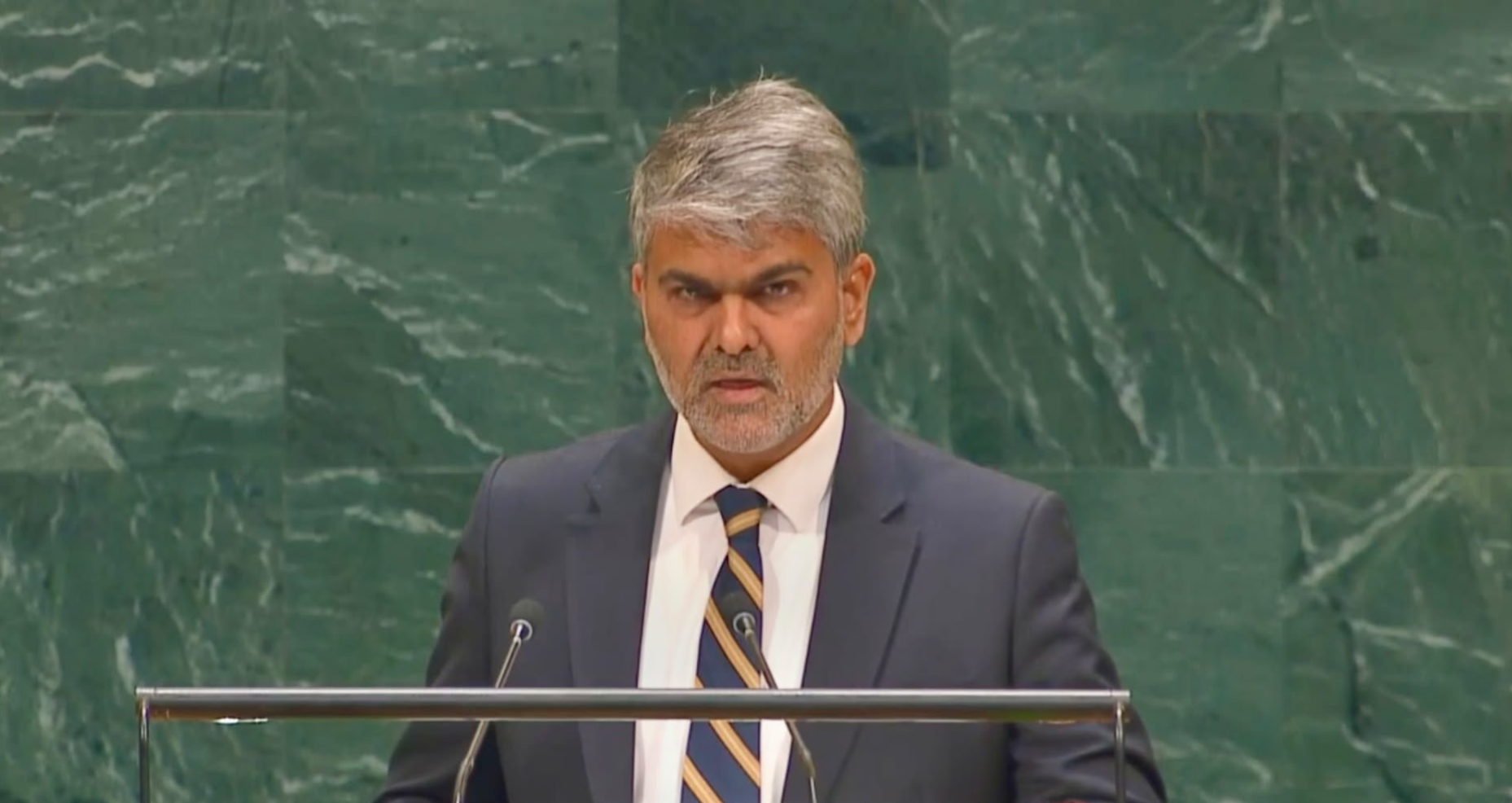
Syed Atif Raza, Minister Counsellor of Pakistan, emphasized in his statement that the IAEA should balance the performance of its statutory functions, and while strictly supervising nuclear non-proliferation, fully leverage its core mission of promoting peaceful uses of nuclear energy. He pointed out that various unilateral or politically conditioned restrictions on civilian nuclear cooperation should not become engineering shackles hindering developing countries from acquiring key technologies and advancing economic modernization.
Raza reviewed the deep cooperation achievements since Pakistan joined the IAEA as a founding member in 1957, highlighting practical progress in multiple fields including nuclear engineering personnel training, technical capacity building, nuclear safety, healthcare, water resources management, and nuclear technology applications in modern agriculture. He disclosed that Pakistan currently has 6 commercial nuclear reactors in safe operation, all included in the IAEA safeguards system; these units already account for approximately 20% of Pakistan's national electricity supply and one-third of its low-carbon electricity share, serving as the cornerstone supporting the country's energy transition.
Regarding current safeguards and non-proliferation disputes, Raza emphasized that nuclear compliance disagreements must be resolved through consultation strictly within the IAEA's professional technical framework, and that any rhetoric or action politicizing technical issues will exacerbate regional confrontation risks.
IAEA Director General Rafael Grossi comprehensively briefed the General Assembly on global nuclear energy development and key non-proliferation situations. Grossi noted that with accelerating global electrification, expansion of AI super data centers, and surging demand from high-tech enterprises for stable zero-carbon baseload power, nuclear energy is becoming a core pillar of national energy security. In briefing on global hotspots, Grossi called on all parties to restart diplomatic efforts on the Iranian nuclear issue, emphasizing that IAEA on-site verification and supervision are indispensable prerequisites for any sustainable agreement; meanwhile, Grossi expressed concern over North Korea's nuclear-related activities outside IAEA supervision, and reiterated that the nuclear safety situation at Ukraine's Zaporizhzhia Nuclear Power Plant remains highly fragile amid damage to external power grids and threats from military activities.
Disclaimer: Information republished from partner media, institutions or other websites is provided for reference and communication purposes only. It does not imply endorsement of its views or verification of its accuracy. Please contact us if any content infringes rights or requires correction.