
Paraguay's Nuclear Power Generation Debate Heats Up: Regulator Supports Private Sector Participation
 Scan to share
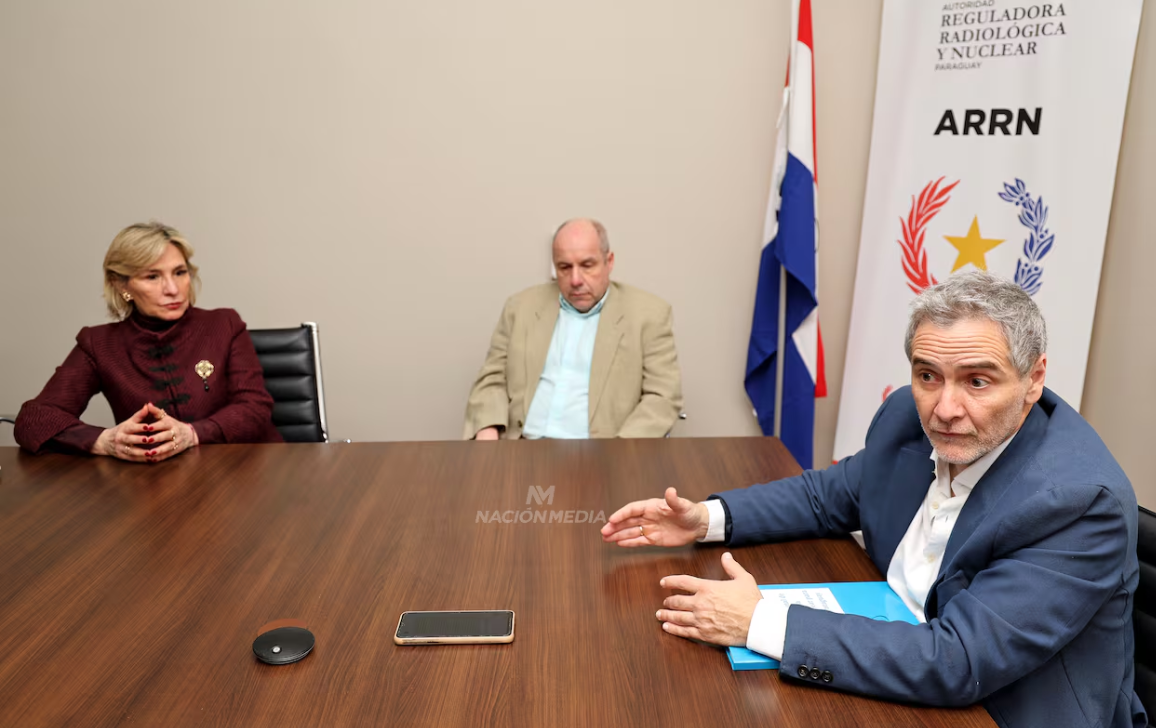
Paraguay's Radiation and Nuclear Regulatory Authority (ARRN) has welcomed the open attitude shown by the National Electricity Administration (ANDE), stating that allowing or encouraging private sector participation in nuclear power generation projects would bring new discussion space to the country's energy mix. This stance indicates that nuclear energy is no longer just a long-term technical vision but has begun to enter the public agenda of policy, investment, and regulatory coordination.
Paraguay has long relied on hydropower resources, with major projects such as Itaipu and Yacyretá giving it an advantage in clean electricity. However, with domestic industrialization, growing electricity consumption, and changes in the regional energy market, sole reliance on hydropower also faces pressures from seasonality, hydrological conditions, and long-term demand expansion. Against this backdrop, nuclear energy is viewed by some institutions as a supplementary option, particularly with potential value in stabilizing baseload power, reducing carbon emissions, and enhancing energy security.
ARRN's positive stance also implies that any nuclear project must be built on strict safety, licensing, radiation protection, and international norms. Nuclear power differs from general energy investments, involving nuclear material control, environmental assessment, emergency mechanisms, technical personnel training, and alignment with international systems such as the International Atomic Energy Agency. Therefore, even if the private sector becomes a driving force, it must operate within the national regulatory framework and cannot determine project progress based solely on commercial logic.
ANDE's open attitude toward private sector participation may create conditions for Paraguay to attract external technology, capital, and professional expertise. Particularly as next-generation nuclear technologies such as small modular reactors gain international attention, Paraguay may also wish to participate in relevant discussions in advance. However, there remains a considerable distance from policy statements to project implementation, and financing models, public acceptance, site selection, waste management, and long-term liability allocation will all be issues that must be addressed.
This development reflects that Paraguay's energy policy is extending from traditional hydropower advantages toward a diversification strategy. For the government and regulators, the key is not merely whether to introduce nuclear energy, but how to design an institutional path that can accommodate private capital participation while avoiding regulatory gaps, under the premise of ensuring safety, transparent decision-making, and national interests.
Disclaimer: Information republished from partner media, institutions or other websites is provided for reference and communication purposes only. It does not imply endorsement of its views or verification of its accuracy. Please contact us if any content infringes rights or requires correction.