
Japan's MEXT to Establish Industry-Academia-Government Collaboration Platform to Strengthen Nuclear Energy Human Resource Development
 Scan to share
Japan's Ministry of Education, Culture, Sports, Science and Technology (MEXT) plans to launch a new initiative for nuclear energy human resource development, with the core approach being the establishment of an industry-academia-government collaborative organization within the Japan Atomic Energy Agency (JAEA). This organization will undertake coordination functions such as institutional design and budget allocation, and will promote closer cooperation mechanisms among universities, research institutions, and the industrial sector regarding nuclear energy education and practical training.
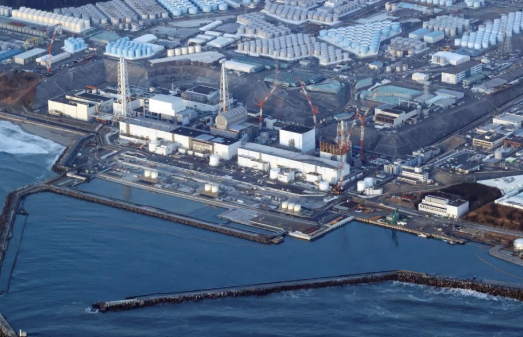
Based on publicly available information, this arrangement is not merely about adding training courses, but rather an attempt to build a cross-sectoral human resource development platform. JAEA possesses research reactors, experimental facilities, and long-accumulated technical resources; incorporating these resources into the educational system will help bridge the gap between university classroom instruction and actual nuclear engineering field practice, enabling students and young researchers to engage with real research and safety management environments at an earlier stage.
This development also reflects Japan's nuclear energy policy re-emphasizing the importance of a human resource foundation. As issues such as nuclear power plant restarts, advanced reactor R&D, decommissioning, nuclear fuel cycle, and radioactive waste management continue to advance, Japan needs not only research-oriented talent but also multidisciplinary professionals in regulation, safety assessment, equipment maintenance, engineering construction, and project management. Without a stable supply of human resources, related policies and industrial projects will face bottlenecks at the implementation level.
The significance of the industry-academia-government collaborative organization lies in unifying demand and resource allocation. The industrial sector can articulate actual job positions and technical needs, universities are responsible for foundational education and academic training, and the government provides sustained support through budgets and institutional design. If this mechanism operates smoothly, it will help reduce problems such as fragmented training across institutions, overlapping curricula, or insufficient practical opportunities, while improving the continuity and targeting of nuclear energy human resource development.
However, nuclear energy human resource development still faces multiple challenges, including social acceptance, young people's career choice intentions, and trust in nuclear safety. Whether this project will achieve tangible results in the future depends not only on facility access and funding arrangements, but also on whether it can clearly present to students the career prospects, public responsibilities, and technological development opportunities within the nuclear energy field.
Disclaimer: Information republished from partner media, institutions or other websites is provided for reference and communication purposes only. It does not imply endorsement of its views or verification of its accuracy. Please contact us if any content infringes rights or requires correction.