
Japan to Use Fukushima Decontaminated Soil at Government Office Buildings in Sendai and Saitama
 Scan to share
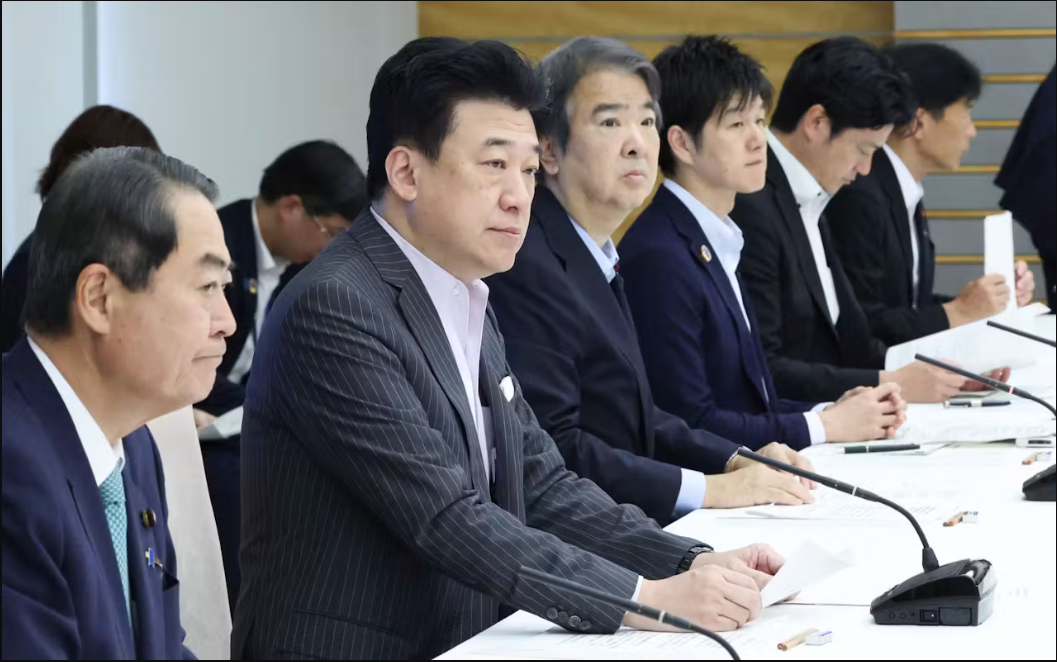
At a Cabinet meeting held at the Prime Minister's Office on August 25, the Japanese government decided to use decontaminated soil generated from the Tokyo Electric Power Company (TEPCO) Fukushima Daiichi Nuclear Power Station accident for flower beds and other areas at joint government office buildings in Sendai City and Saitama City. This will mark the first use of such recycled soil outside Tokyo.
According to the plan, the relevant office buildings will use a total of approximately 2 cubic meters of low-radioactivity "reconstruction recycled soil," with the specific construction schedule still being coordinated. The usage site in Saitama City is located at the government joint office building in the Saitama New Urban Center area, and Sendai City will also implement similar arrangements at its joint government office building.
Under Japanese law, soil decontaminated after the Fukushima Daiichi Nuclear Power Station accident must be transported outside Fukushima Prefecture for final disposal by March 2045. The Japanese government hopes that by first using such soil in public facilities, it can promote the final disposal work outside Fukushima Prefecture and enhance public understanding of the safety and necessity of such soil.
Chief Cabinet Secretary Minoru Kihara stated at the meeting that raising public awareness of the necessity and safety of recycled use is crucial for advancing reconstruction, recycling, and reuse efforts.
Previously, recycled soil has been progressively used in flower beds and other areas at locations including the Prime Minister's Office in Tokyo, central government ministry buildings, and the Supreme Court. To date, approximately 73 cubic meters of such soil have been used across 12 locations in Japan.
Currently, approximately 14 million cubic meters of decontaminated soil are stored at a temporary storage facility in Fukushima Prefecture, of which about three-quarters are classified as recycled soil that can be used for reconstruction. The radioactive concentration of the relevant soil is below 8,000 becquerels per kilogram, and the Japanese government considers that it will not affect human health when used for the designated purposes.
Disclaimer: Information republished from partner media, institutions or other websites is provided for reference and communication purposes only. It does not imply endorsement of its views or verification of its accuracy. Please contact us if any content infringes rights or requires correction.