
Ikata Nuclear Power Station Unit 3 in Japan briefly deviated from operational limits due to abnormal signals in protection system instrumentation
 Scan to share
Shikoku Electric Power Co. reported on August 27 that abnormal signals from safety protection system instrumentation appeared in the central control room of Ikata Nuclear Power Station Unit 3, which was in normal operation, indicating that one channel of the “overtemperature ΔT” related instrumentation was unreliable. The operator determined at 22:10 on August 26 that the unit had deviated from the operational limits stipulated in the Reactor Facility Security Regulations.
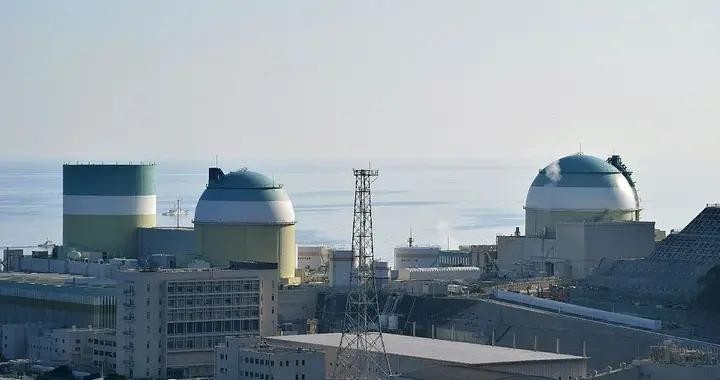
On-site confirmation showed that the unreliable signal originated from 1 of the 4 channels of the overtemperature ΔT protection function. Overtemperature ΔT is one of the reactor automatic trip elements, used to protect in-core fuel; its limit value is calculated based on parameters such as reactor power, pressurizer pressure, and reactor coolant temperature. When the calculated value of the temperature difference between the reactor outlet and inlet exceeds this limit, the reactor automatic trip function will be activated.
According to the security regulations, overtemperature ΔT must maintain 4 channels available; however, bypassing 1 channel is permitted provided that the remaining 3 channels are confirmed to operate normally. After confirming that the remaining 3 channels were available, Shikoku Electric bypassed the channel that had issued the unreliable signal and restored compliance with the operational limits at 3:38 on August 27.
Subsequently, the operator replaced the circuit board at the input section of this channel with a spare part and confirmed in the central control room that the unreliable signal from the safety protection system instrumentation had been reset. The bypass on this channel was then lifted, and the unit returned to normal status at 4:17 on August 27.
Shikoku Electric stated that this event had no impact on unit operation and caused no radioactive impact on the environment. Further investigation into the cause of the event will be conducted.
Disclaimer: Information republished from partner media, institutions or other websites is provided for reference and communication purposes only. It does not imply endorsement of its views or verification of its accuracy. Please contact us if any content infringes rights or requires correction.