
Japan Extends Deadline for Anti-Terrorism Facility Construction at Onagawa Nuclear Power Plant Unit 2
 Scan to share
The Nuclear Regulation Authority (NRA) of Japan has officially decided to revise relevant regulations to extend the deadline for installing anti-terrorism facilities, specifically "facilities for responding to specified severe accidents," at nuclear power plants. Under the new rules, the deadline will be adjusted from "within five years after the construction plan is approved" to "within five years after the start of commercial operation." The revised regulations are expected to take effect in September.
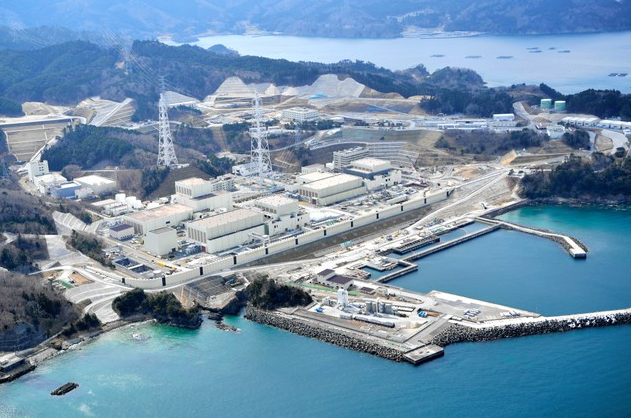
This change will affect Tohoku Electric Power's Onagawa Nuclear Power Plant Unit 2. The unit, which had faced the possibility of shutdown by December 2026 due to difficulties in completing the required facilities by then, will now be able to continue operating beyond that date.
Tohoku Electric Power stated that it will continue to prioritize safety, efficiently and steadily advance the construction of the relevant facilities, and strive to complete them as early as possible.
According to Fukui Prefecture, a meeting on the development of areas hosting nuclear power plants was held on the 27th to discuss measures for revitalizing these regions. Representatives from the Fukui Prefectural Government, local municipalities hosting nuclear plants, relevant national agencies, and electric power companies attended the meeting.
The meeting confirmed a new policy aimed at establishing mechanisms to promote the local consumption of electricity generated by nuclear plants, thereby driving industrial development. The Fukui Prefectural side proposed focusing on studying the technical conditions and supporting measures needed to attract large-scale power-consuming businesses such as data centers.
Mayors and town heads from the areas hosting nuclear plants noted at the meeting that the local population is under significant decline pressure, and that in addition to the nuclear power industry, other industrial and medical infrastructure needs to be improved to sustain regional operations. They also called on the central government to provide sufficient financial support for evacuation route development and regional development measures.
After the meeting, the Governor of Fukui Prefecture stated that some progress has been made in commercializing related regional development projects, and that the prefecture will continue to urge the central government and Kansai Electric Power to further detail the project progress and supporting measures.
Disclaimer: Information republished from partner media, institutions or other websites is provided for reference and communication purposes only. It does not imply endorsement of its views or verification of its accuracy. Please contact us if any content infringes rights or requires correction.