
NVIDIA to Assess Construction of AI Data Centers at Decommissioned German Nuclear Power Plant Sites
 Scan to share
Recently, PreussenElektra, the nuclear facility decommissioning subsidiary of Germany's E.ON Group, and multinational technology giant NVIDIA have entered into a partnership to jointly assess whether PreussenElektra's decommissioned nuclear power plant sites are suitable for building high-performance AI data centers (i.e., “artificial intelligence factories”).
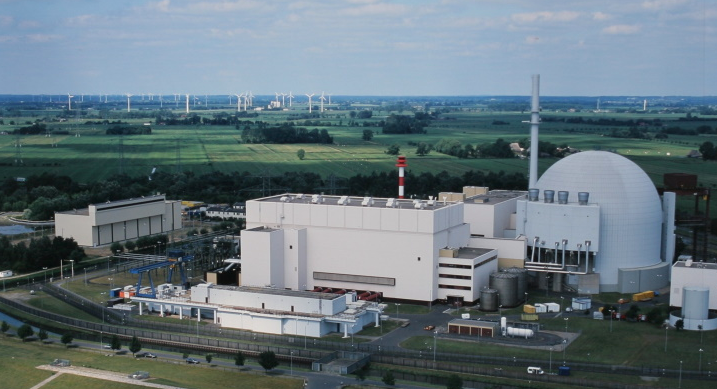
It is reported that PreussenElektra owns 8 decommissioned nuclear power plant sites currently in the dismantling phase, including well-known facilities such as Brokdorf. Since former nuclear power plant sites generally feature large industrial land areas, high-performance grid connections, and comprehensive infrastructure, they have become ideal sites for meeting extremely high power demands and computing infrastructure construction. The partnership aims to match these existing energy infrastructure assets with the technical and operational standards of AI data centers.
Guido Knott, Chairman of the Management Board of PreussenElektra, and Markus Hacker, Senior Regional Director at NVIDIA, stated that repurposing decommissioned industrial facilities can not only provide reliable site resources for next-generation data centers but also inject new vitality into the local economy. Although the assessment is currently still in the feasibility study phase and does not involve specific investment or site selection decisions, this exploration opens up a new pathway for the reuse of nuclear facilities.
In addition, Germany already has precedents for the reuse of decommissioned nuclear facilities; for example, the former Biblis nuclear power plant in Hesse has been designated as the site for constructing a laser nuclear fusion power plant by 2035. This cross-industry collaboration between NVIDIA and PreussenElektra further demonstrates the exceptionally high revaluation value of traditional nuclear power infrastructure assets amid global high-performance computing demand.
Disclaimer: Information republished from partner media, institutions or other websites is provided for reference and communication purposes only. It does not imply endorsement of its views or verification of its accuracy. Please contact us if any content infringes rights or requires correction.