Registration
REGISTER FOR THE CONFERENCE
 Apply to Exhibit
APPLICATION FOR EXHIBITION
 Sponsorship
SPONSORSHIP APPLICATION
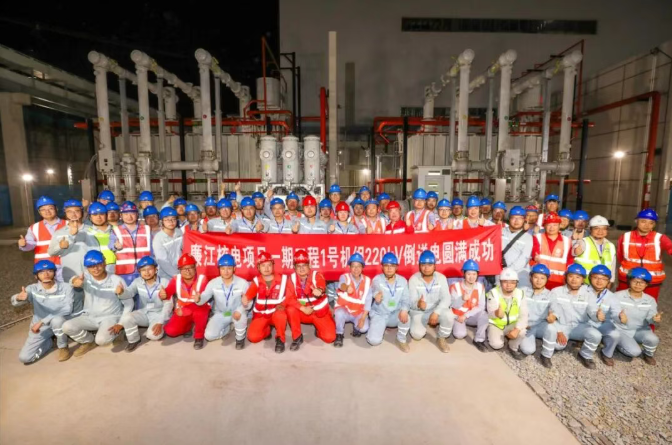
Unit 1 of State Power Investment Corporation (SPIC) Guangdong Lianjiang Nuclear Power Project Achieves First-Time Success in 220kV Backfeed Power Transmission
On October 22, the 220kV backfeed power transmission for Unit 1 of Phase I of SPIC Guangdong Lianjiang Nuclear Power Project achieved first-time success, marking the unit's full entry into the commissioning phase and laying a solid foundation for subsequent commissioning and high-quality commercial operation. The 220kV backfeed power transmission is the first major commissioning milestone for Lianjiang Nuclear Power Unit 1. The transmission scope covers the off-site 220kV transmission line, the on-site 220kV switchyard, the auxiliary transformer, the 10kV medium-voltage busbars and their control and protection systems. Its function is to feed power from the off-site grid in reverse to the unit's station service power system, providing reliable power support for subsequent commissioning and production operations. To ensure the first-time success of the backfeed power transmission, Zhanjiang Nuclear Power, together with the general contractor Shanghai Nuclear Engineering Research and Design Institute and all participating construction units...
2026-10-23
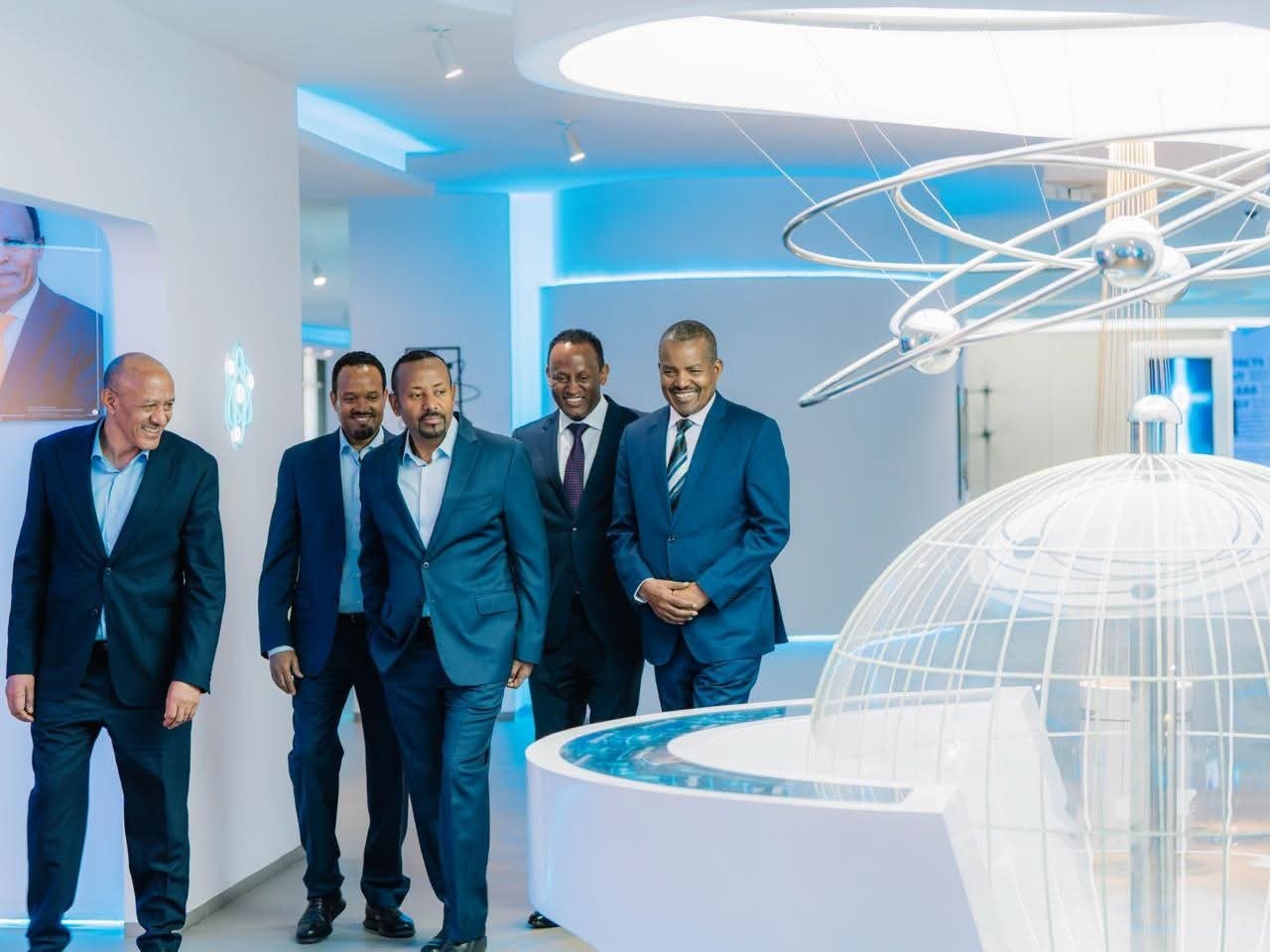
Ethiopian Prime Minister Abiy Ahmed Conducts Comprehensive Assessment of Preparations and Progress of the National Nuclear Energy Program
2026-10-23
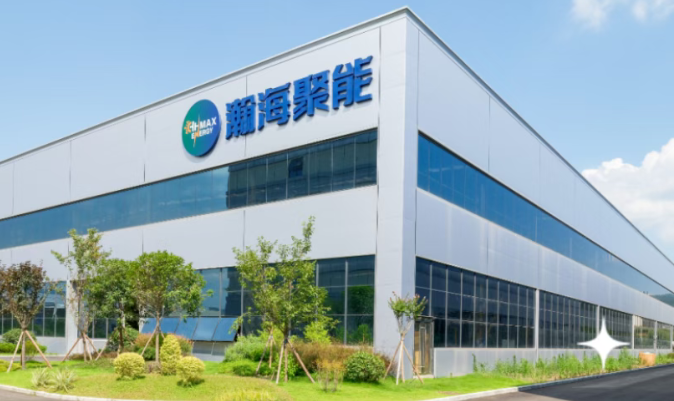
Hanhai Fusion Energy Receives Project Approval Support from the Sichuan Provincial Department of Science and Technology Key R&D Program
2026-10-23
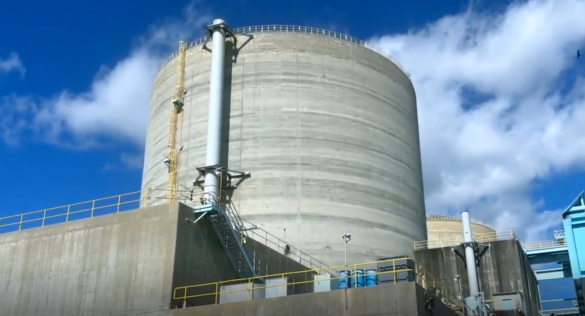
St. Lucie Nuclear Power Plant in the United States Marks 50 Years of Operation and Receives Approval for 20-Year License Renewal
2026-10-23

Uzbekistan President Mirziyoyev Meets Rosatom Director General, Focusing on Implementation and Supporting Construction of the First Integrated Nuclear Power Plant Project
2026-10-23

Ontario Power Generation Subsidiary Joins UK SMR Project to Partner with SGE in Operating and Maintaining 14 BWRX-300 Reactors
2026-10-23
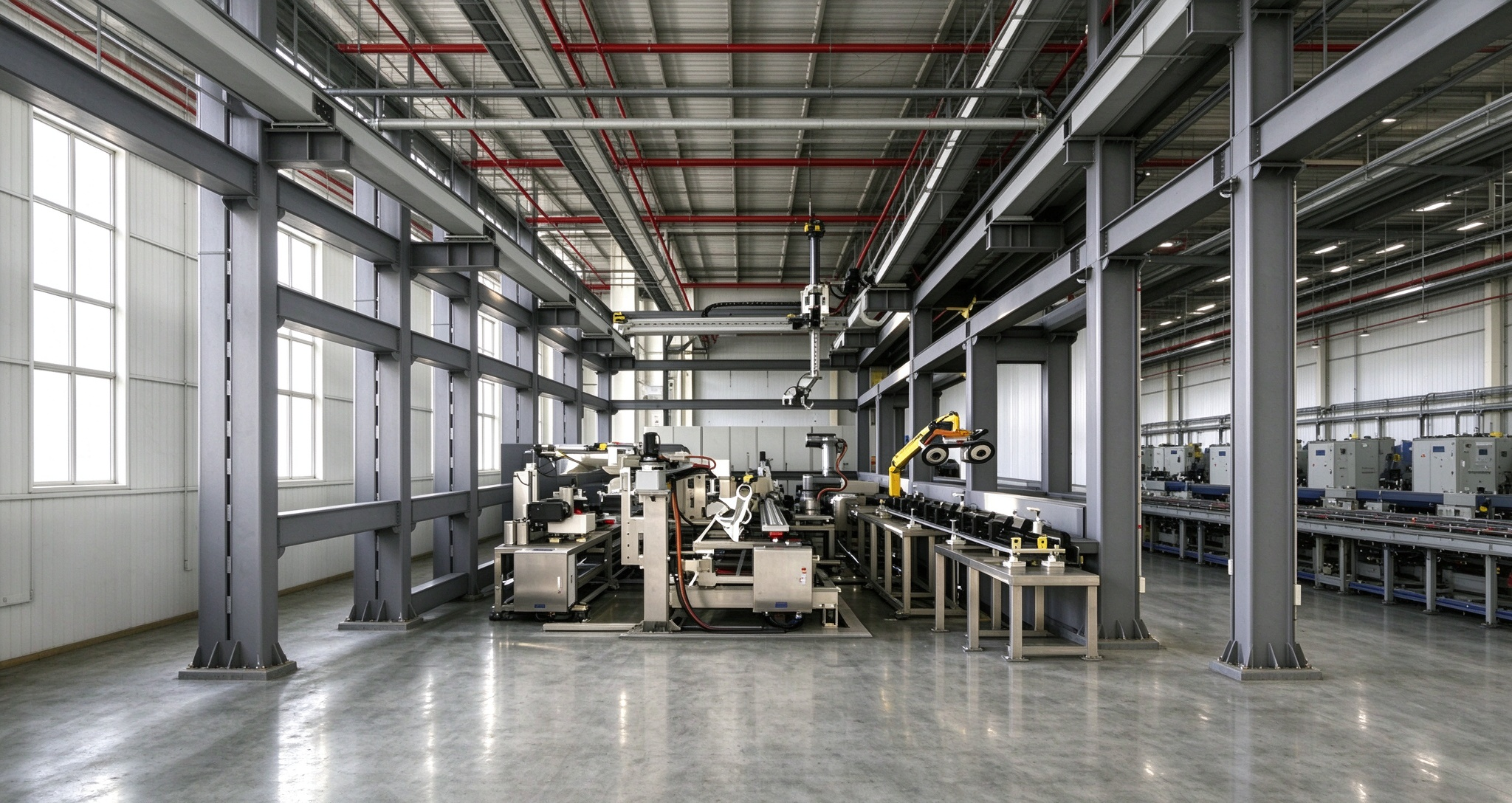
China Institute of Atomic Energy Successfully Completes Full-Process Experimental Verification of Post-Irradiation Fuel Assembly Reassembly Technology for Integrated Fast Reactor
2026-10-23
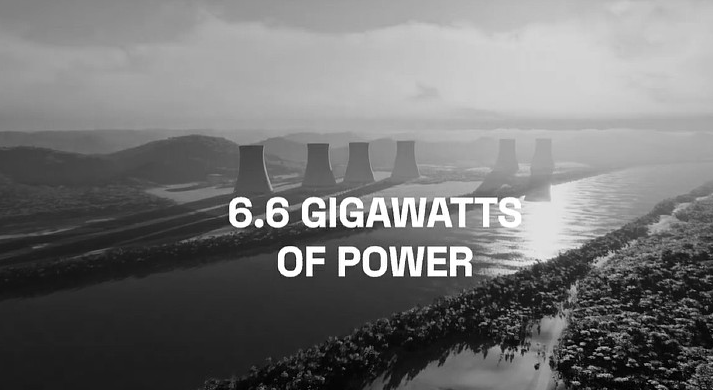
US Nuclear Company Plans 6.6 GW Mega Nuclear Campus in Kentucky, Aims to Deploy Six AP1000 Reactors
2026-10-22

ASEAN countries are comprehensively assessing nuclear energy development and deployment options
2026-10-22
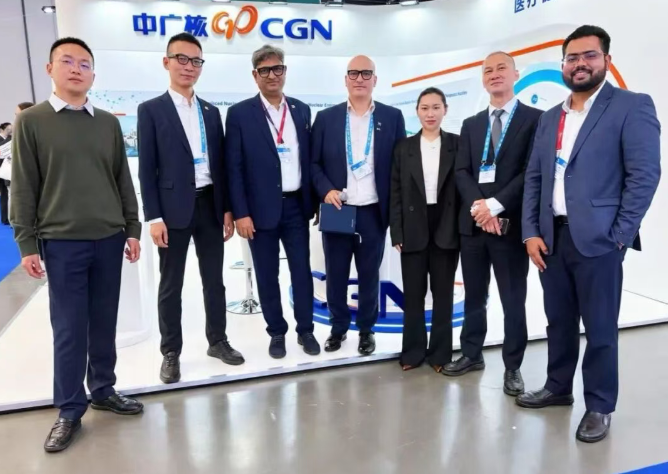
The 39th Annual Congress of the European Association of Nuclear Medicine was held in Vienna, Austria, from October 17 to 21. CGN Nuclear Technology appeared once again, continuing its participation since its first exhibition in 2025, and showcased the core medical isotope products of CGN Isotope (Mianyang) Technology Co., Ltd. The exhibition focused on CGN Hejia® Germanium-68 solution, Germanium-Gallium generator and supporting automatic elution device, while also introducing multiple medical isotope products such as Oxygen-18, Copper-64, Zirconium-89 and Iodine-123. At this annual congress, physical exhibits such as the Germanium-Gallium generator and the supporting automatic elution device clearly demonstrated the company's technical...
2026-10-23
Recently, the China Institute of Atomic Energy (CIAE) under China National Nuclear Corporation (CNNC) successfully completed the full-process experimental verification of post-irradiation fuel assembly reassembly technology for the integrated closed fuel cycle fast reactor nuclear energy system (referred to as the integrated fast reactor), and successfully developed a reassembly prototype, comprehensively verifying the technical feasibility. This achievement marks that CIAE has independently mastered the core technology of post-irradiation fuel assembly reassembly for fast reactors, laying a solid foundation for subsequent engineering applications and material and fuel research under higher irradiation dose conditions, and is of great significance for enhancing China's advanced nuclear fuel R&D level and promoting the development of the closed fuel cycle. The full-process experimental verification platform for post-irradiation fuel assembly reassembly technology...
2026-10-23
Recently, the East China Nuclear and Radiation Safety Supervision Station of the Ministry of Ecology and Environment (hereinafter referred to as the East China Supervision Station) organized the 2026 East China Regional Nuclear Facility Safety Work Conference in Jiujiang, Jiangxi. Four nuclear power joint-stock companies and nuclear facility operating organizations within the East China jurisdiction sent personnel to attend. The conference adhered to a problem-oriented and pragmatic-first approach. The East China Supervision Station organized participants to study the latest decisions and arrangements of the Party Central Committee on nuclear safety work, and, in light of the safety and quality conditions and important typical problems of nuclear facilities in East China in the first three quarters of 2026, proposed ideas for further improving nuclear facility safety work. The operating organizations focused on contractor management, fuel management, identification and response to extreme weather risks, and...
2026-10-23
Recently, the Southwest Nuclear and Radiation Safety Supervision Station of the Ministry of Ecology and Environment (National Nuclear Safety Administration), together with the Department of Radiation Source Safety Supervision, the Nuclear and Radiation Safety Center of the Ministry of Ecology and Environment, and Chengdu University of Technology, organized representatives of enterprises in its jurisdiction to conduct demonstrative supervision of radiopharmaceutical (medical isotope) production. This initiative aims to serve the national "Medium- and Long-Term Development Plan for Medical Isotopes (2021–2035)" and comprehensively enhance the radiation safety management level of the nuclear medical industry in the Southwest region. It is reported that this supervision activity practiced the concept of research-based supervision. In response to the characteristics of the Southwest region—where R&D, pilot testing, and large-scale production proceed in parallel, and the safety risks of unsealed radioactive materials are complex—the activity involved pre-arranging production processes...
2026-10-22
Recently, Chinatom Qinshan Isotope Co., Ltd. (hereinafter referred to as "CNNC Qintong"), centering on the isotope production base construction project, successfully built a digital-intelligent operation and maintenance (O&M) management system with the Integrated Intelligent Production Information Management Platform (IMS) as its core. By empowering full-lifecycle equipment control and intelligent decision-making, the system effectively addresses O&M management pain points in nuclear technology application scenarios with high safety requirements and high complexity. It is understood that the system, with the Integrated Intelligent Production Information Management Platform (IMS) as its management hub, has achieved unified coding and labeling of 6,799 pieces of equipment across the entire plant and "one file per unit" full-lifecycle traceability. By deeply linking equipment ledgers with maintenance plans, repair work orders and spare parts management, CNNC Qintong has not only driven the upgrade of its maintenance model toward condition monitoring and predictive maintenance, but also achieved significant cost reduction, efficiency improvement and energy consumption optimization through HVAC variable-frequency renovation and self-developed automatic calibration platforms.
2026-10-22
On October 19, 2026, at the plenary session of the European Association of Nuclear Medicine Congress (EANM 2026) held in Vienna, Austria, Professor Paola Anna Erba, President of the European Association of Nuclear Medicine, raised the major issue of when prevention is early enough. The conference held in-depth discussions on whether positron emission tomography (PET), a core nuclear medicine imaging technology, can detect cancer, cardiovascular disease, and Alzheimer's disease before symptoms appear. Regarding PET-based cancer screening in asymptomatic populations, Dr. Ken Herrmann of the University Hospital Essen in Germany clearly stated that currently, promoting fluorodeoxyglucose (FDG-PET)-based cancer screening in the general population is premature.
2026-10-20
Recently, Borealis Fusion, a startup co-founded with the participation of the research team at the Princeton Plasma Physics Laboratory (PPPL) in the United States, announced its establishment. The company has chosen the magnetic mirror pathway, focusing on proton-boron-11 (pB11) neutron-free nuclear fusion technology, aiming to provide cost-competitive clean electricity. It is understood that Borealis Fusion was jointly founded by five doctoral scholars with backgrounds in physics and engineering from Princeton University: Damien Scott, Ian Ochs, Elijah Kolmes, Tal Rubin, and Alex Glasser. Its core technology originates from the pB11 frontier research led by Princeton University professor Nat Fisch, and the technology...
2026-10-20