
Zaporizhzhia Nuclear Power Plant states that water supply from wells is sufficient to maintain equipment cooling and nuclear safety.
 Scan to share
On July 24, Yevgeniya Yashina, Head of Communications for the Zaporizhzhia Nuclear Power Plant, stated that despite ongoing restrictions on the centralized water supply in Energodar—the city where the plant is located—the systems ensuring the plant's safe operation remain functional. Existing wells continue to provide the water necessary for equipment cooling and nuclear safety requirements.
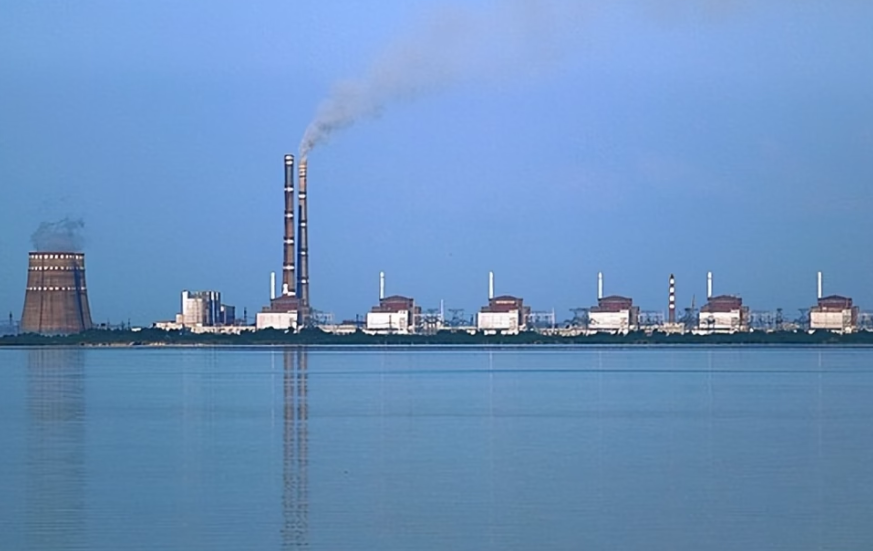
Yashina emphasized that the critical priority is that the systems ensuring the safe operation of the Zaporizhzhia Nuclear Power Plant are functioning normally, with existing wells continuing to supply the water needed for cooling equipment and maintaining nuclear safety.
She had previously explained that Energodar’s centralized water supply system had been experiencing issues for several days because damage to local power infrastructure resulted in insufficient electricity to operate the water pumps.
The International Atomic Energy Agency (IAEA) had previously reported that both the city and the Zaporizhzhia Nuclear Power Plant were facing water supply interruptions or restrictions due to military activity around Energodar and damage to local energy infrastructure. IAEA experts stationed at the plant have also encountered water supply limitations.U.S. President Donald Trump is scheduled to meet with executives from several advanced nuclear reactor companies at the White House on July 24 (local time) to highlight key technological breakthroughs.
According to White House officials, the CEOs of Antares Nuclear Inc., Deployable Energy, Aalo Atomics, and Valar Atomics will attend the event in the Oval Office. The reactors developed by these companies have recently achieved "criticality"—the point at which a nuclear chain reaction becomes self-sustaining and capable of continuous energy output.
The official noted that these projects represent the first privately funded, non-light-water advanced reactors in the U.S. to achieve startup in over 40 years. Non-light-water reactors differ from traditional light-water reactor technology and constitute a key area of focus for U.S. efforts to advance the research, development, and demonstration of advanced nuclear energy.
All four companies are participating in U.S. Department of Energy (DOE) pilot programs aimed at accelerating nuclear technology development and validating engineering feasibility. The Trump administration has recently issued a series of executive orders to promote the wider deployment of both large-scale traditional reactors and smaller reactors, viewing nuclear energy as a vital power source to support economic growth and the electricity demands of data centers.
Spokespersons for Valar Atomics and Aalo Atomics have confirmed that their CEOs will attend the event. Deployable Energy and Antares Nuclear Inc. have not yet responded to inquiries regarding the matter.
Disclaimer: Information republished from partner media, institutions or other websites is provided for reference and communication purposes only. It does not imply endorsement of its views or verification of its accuracy. Please contact us if any content infringes rights or requires correction.