
Repair Completed on Damaged Power Supply Facilities Near Zaporizhzhia Nuclear Power Plant, Reducing Risk of External Grid Power Outage
 Scan to share
The International Atomic Energy Agency (IAEA) officially announced on October 23 local time that emergency repair work has been successfully completed on the previously damaged critical external power supply infrastructure near the Zaporizhzhia Nuclear Power Plant. The repair has significantly improved the operational stability of the plant's sole remaining external transmission line, alleviating to a certain extent the severe safety risk of the plant once again experiencing a complete station blackout.
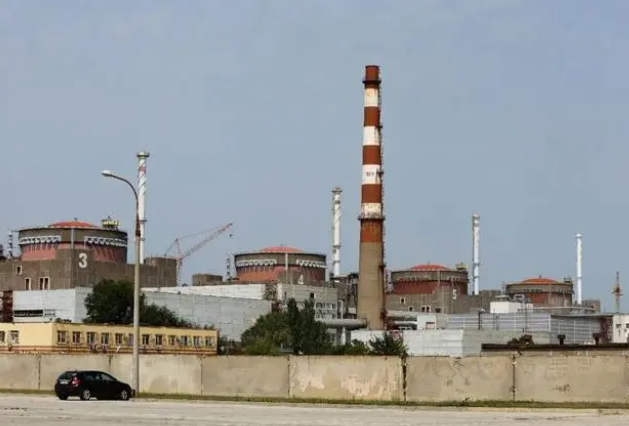
The power facility repaired in this operation is located in the switchyard area of the Zaporizhzhia Thermal Power Plant, approximately two kilometers from the Zaporizhzhia Nuclear Power Plant site. This critical electrical hub was attacked and severely damaged during military conflict in September this year. As Europe's largest nuclear power hub, the Zaporizhzhia Nuclear Power Plant has long relied heavily on the external transmission network to maintain residual heat removal after reactor shutdown and circulating cooling of spent fuel pools. The previous attack on the related power facilities posed a tremendous threat to the plant's defense-in-depth system.
The IAEA assessment noted that although this repair project has effectively enhanced the load-bearing resilience of the currently sole external power supply channel, the overall energy supply vulnerability of the nuclear power plant remains a matter of concern. The on-site verification team specifically warned that the fuel reserves for emergency diesel generators used under extreme blackout conditions within the plant site have recently shown a continuous declining trend; should the external grid experience another large-scale trip or prolonged outage, the operation of the reactor cooling systems, which rely heavily on emergency power generation equipment, would face direct impact, increasing the risk of unit overheating and safety failure.
Disclaimer: Information republished from partner media, institutions or other websites is provided for reference and communication purposes only. It does not imply endorsement of its views or verification of its accuracy. Please contact us if any content infringes rights or requires correction.