
Danube water levels continue to decline, Unit 4 of Hungary's Paks Nuclear Power Plant reduces power output
 Scan to share
Affected by persistent drought, water levels of the Danube in Hungary have dropped to low levels, impacting the operation of the Paks Nuclear Power Plant, which relies on Danube water for cooling. The plant's operator announced on July 31 that, due to a further drop in the water level at the Paks section to -126 cm, experts would reduce the power output of Unit 4 by 50% starting from 22:45 local time on July 31.
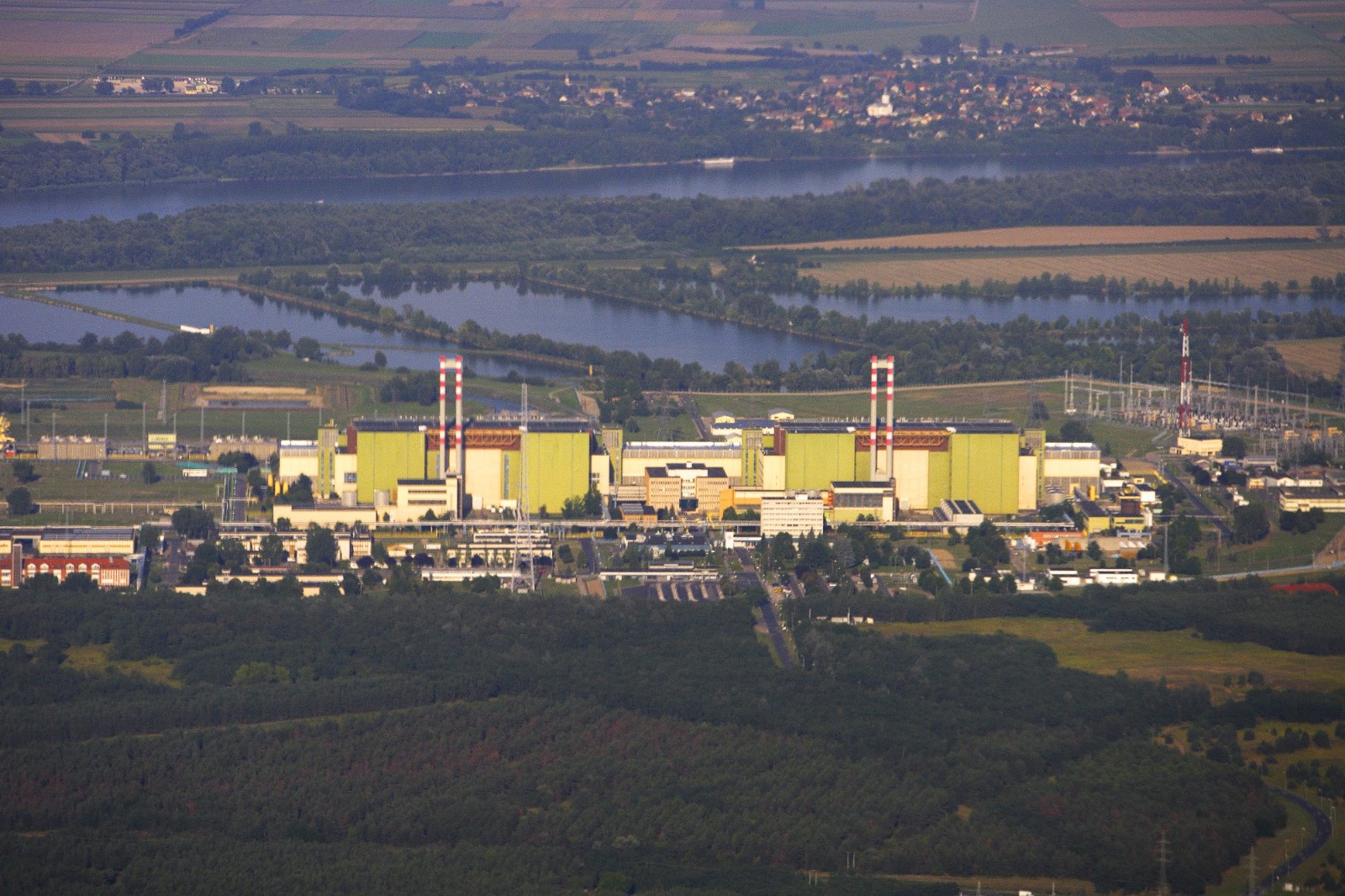
The Paks Nuclear Power Plant is Hungary's only operating nuclear power plant, generating approximately half of the country's total electricity. Earlier announcements had mentioned that, due to the extremely low Danube water level, shutdowns of some units at the plant had become difficult to avoid.
Peter Magyar stated on social media on July 30 that the decline in Danube water levels could pose a risk of shutdown for the Paks Nuclear Power Plant, and warned of potential energy supply pressure in early August, urging the public to conserve electricity.
Nuclear power plants typically require a stable water source for unit cooling. Currently, parts of Europe are experiencing persistent high temperatures and low rainfall, with low Danube water levels affecting sectors such as energy and shipping along the river. The power reduction at the Paks Nuclear Power Plant is primarily related to restricted conditions for cooling water intake.
Disclaimer: Information republished from partner media, institutions or other websites is provided for reference and communication purposes only. It does not imply endorsement of its views or verification of its accuracy. Please contact us if any content infringes rights or requires correction.