
Utah Finalist for DOE Nuclear Fuel Cycle Site, with Great Salt Lake Rescue as Bargaining Chip
 Scan to share
Utah is seeking an agreement with the U.S. Department of Energy (DOE), hoping to secure federal nuclear hub status while also gaining assistance in addressing the Great Salt Lake crisis. Governor Spencer Cox and U.S. Energy Secretary Chris Wright signed a memorandum agreeing to collaborate on "realizing the full value of the nuclear fuel cycle." However, this agreement does not mean Utah has decided to build the nuclear hub, and the state will decline if it is deemed unsafe or disadvantageous.
Currently, Utah is one of five states competing for the federal "Nuclear Lifecycle Innovation Park," which aims to consolidate all aspects of the nuclear fuel cycle in one location, including fuel fabrication, enrichment, spent fuel reprocessing, and waste disposal. In addition to these facilities, the park may also house nuclear reactors and data centers. Under the memorandum, the parties must sign a host agreement by September 30, or either party may terminate the memorandum.
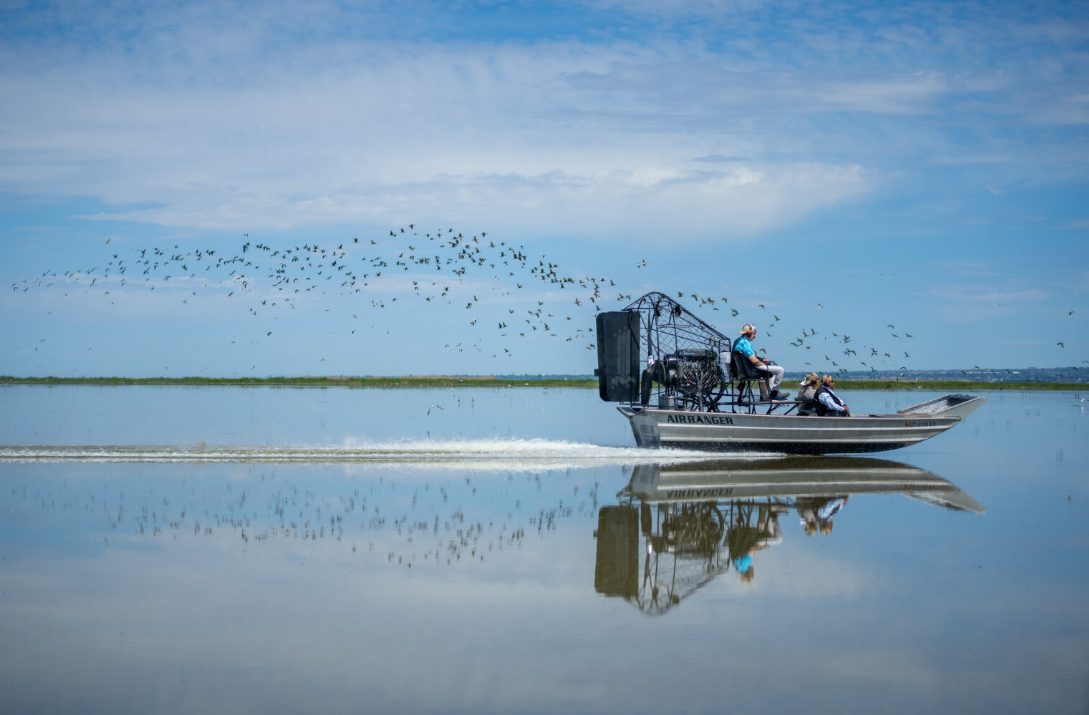
While negotiating with the federal government, Amy Lesowski, director of the Utah Office of Energy Development, stated that the state is requesting assistance from the DOE to address the drying of the Great Salt Lake. The lake is located approximately 10 miles from the proposed site and may reach a historic low water level again this year, leading to more toxic dust storms affecting the densely populated Wasatch Front region. Lesowski emphasized that the state government hopes to leverage this opportunity to provide some help in solving the Great Salt Lake problem, considering the lake a vital treasure for Utah and the nation.
Nevertheless, environmental advocates have expressed concerns about the potential impacts of storing spent fuel on Utah residents and the health of the lake. They argue that accepting the nation's nuclear waste means transporting highly radioactive waste by rail and road to Utah communities and areas around the lake, and storing highly radioactive materials within its watershed, thereby significantly increasing the likelihood of leaks or accidents. Meanwhile, the Trump administration seeks to expand nuclear energy production but has yet to find a solution for radioactive waste, further complicating the issue.
Disclaimer: Information republished from partner media, institutions or other websites is provided for reference and communication purposes only. It does not imply endorsement of its views or verification of its accuracy. Please contact us if any content infringes rights or requires correction.