
Search Results
Keyword:nuclear waste
Ontario Power Generation Nuclear Waste Management Facility Second Quarter Performance Report Released
Ontario Power Generation (OPG) recently released its second quarter performance report for its nuclear waste management facilities, providing a detailed assessment of the facilities' performance in terms of safety, operations, and environment. This report emphasizes OPG's commitment to continuously improving nuclear waste management practices and providing transparent information to the public. The report shows that the Total Reportable Incident Frequency (TRIF) for the second quarter was 0.0, far below the target value, indicating significant achievements in ensuring employee safety. In terms of transportation, vehicles used for waste transport safely traveled over 82,000 kilometers, with cumulative mileage exceeding 7 million kilometers, demonstrating the professionalism and responsible attitude of the transportation team. In terms of environment, no reportable environmental spill events occurred in the second quarter...
2026-09-16
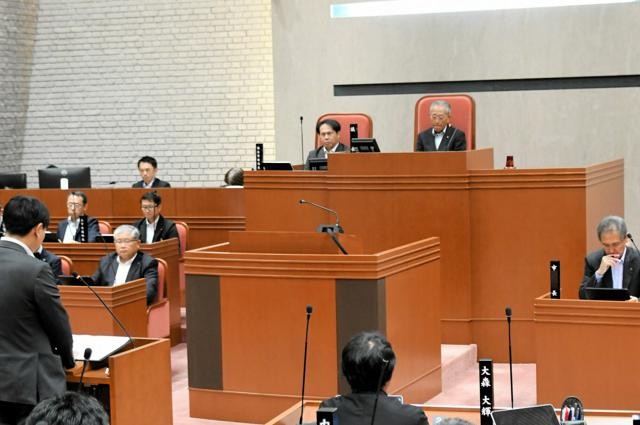
Hitachiota City, Ibaraki Prefecture, Japan to Reconsider Literature Survey for Final Disposal Site of High-Level Radioactive Waste
The Hitachiota City Council in Ibaraki Prefecture, Japan, held a closed-door meeting on September 9 to hear council members' opinions on the Ministry of Economy, Trade and Industry's request for the city to conduct a literature survey for selecting a final disposal site for high-level radioactive waste. After the meeting, sources said that two council members expressed support and two expressed opposition, and the city council failed to reach a consensus, deciding to hold another meeting on September 16 for discussion. The closed-door meeting was initiated by Hitachiota Mayor Sadayuki Suzuki, with the aim of providing reference for the city government to judge whether to accept the literature survey. The Ministry of Economy, Trade and Industry made the request to the city on August 31. Suzuki previously said he would "actively consider" conducting the literature survey and hoped...
2026-09-10
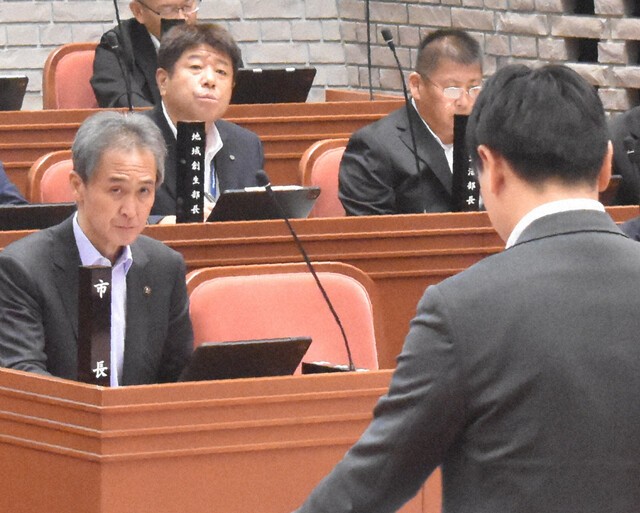
Hitachioomiya City Assembly in Ibaraki Prefecture, Japan, discusses literature survey request for nuclear waste disposal site
Hitachioomiya City in Ibaraki Prefecture, Japan, received a request from Japan's Ministry of Economy, Trade and Industry (METI) asking the city to accept a literature survey for the siting of a final disposal facility for high-level radioactive waste. On September 8, the Hitachioomiya City Assembly held a general question-and-answer session, during which multiple city assembly members expressed their views on whether to accept the survey. Of the five assembly members who filed questions that day, two expressed opposition to accepting the request and one expressed support. The assembly plans to hold a closed-door meeting on September 9, at which each assembly member will state their position, and the relevant content will subsequently be conveyed to Mayor Sadayuki Suzuki for his consideration in formulating the city government's response. Assembly member Toshiyuki Kurata stated that if the literature survey proceeds, it would impact the policies and projects currently being implemented by the city...
2026-09-09
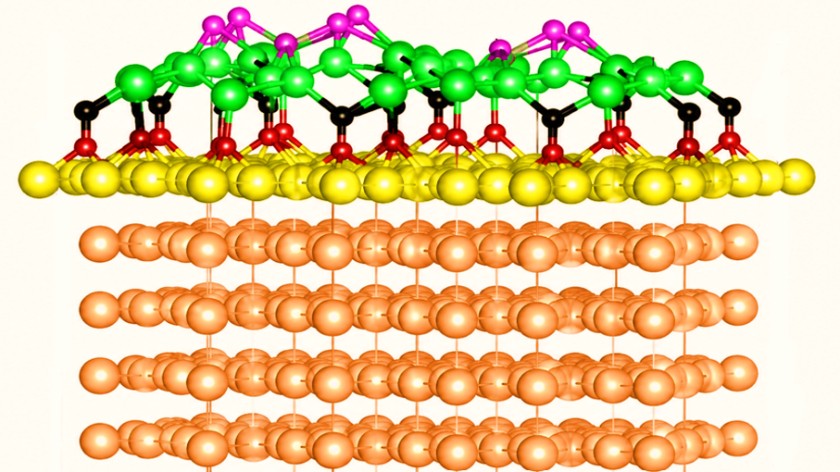
BESSY II reveals early-stage copper oxidation: providing evidence for catalyst development and corrosion research on nuclear waste final disposal containers
Germany's BESSY II synchrotron facility has recently provided new experimental insights into the early-stage oxidation process of copper surfaces. The study shows that before the formation of pure copper oxides, copper and oxygen atoms first form complex surface superstructures, such as "29"CuₓO. The chemical state of such structures has long been debated, and the findings are of reference value for catalyst research as well as for corrosion protection studies of copper containers used for radioactive waste final disposal. Before the formation of pure copper oxide, complex superstructures composed of copper and oxygen atoms emerge—such as "29"CuxO. HZB In everyday environments, copper surfaces gradually lose their red metallic luster and form a greenish oxide layer. This layer structure can slow further corrosion over an extended period. Regarding the initial stages of this process, the core question researchers focus on is: to what extent are copper atoms actually oxidized once oxygen enters the copper surface. Since conventional spectroscopic methods struggle to clearly distinguish between pure copper and partially oxidized surfaces, such oxidation states have previously been difficult to determine directly.
2026-09-07
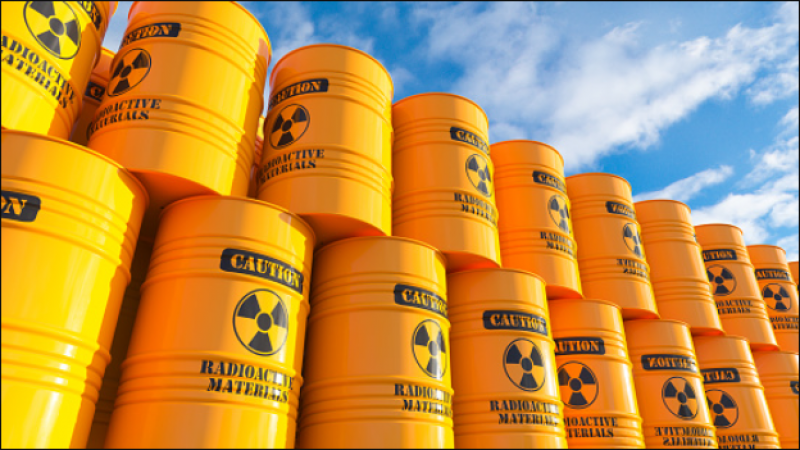
Hitachiomiya City Assembly in Japan Hears Briefing on Literature Survey for High-Level Radioactive Waste Disposal Site
On September 4, the Hitachiomiya City Assembly in Ibaraki Prefecture, Japan, held a closed-door briefing session regarding the central government's request for the city to initiate a literature survey for the final disposal site selection of high-level radioactive waste. Representatives from the Ministry of Economy, Trade and Industry (METI) and the Nuclear Waste Management Organization of Japan (NUMO) attended the meeting to explain the national energy policy, an overview of the geological disposal project, and the background behind the survey request. All 16 members of the Hitachiomiya City Assembly participated in the briefing, with Mayor Suzuki Sadayuki attending as an observer. The meeting was originally scheduled for approximately two hours but actually lasted about three and a half hours due to the large number of questions from assembly members. After the meeting, Yokote Hiroki, Director of the Radioactive Waste Policy Division at METI's Agency for Natural Resources and Energy, stated that assembly members raised questions covering multiple aspects, including technical details of geological disposal and the site selection procedure for disposal facilities, and that the government side would continue its outreach efforts. Should the City Assembly make a request, METI would provide further explanations.
2026-09-06
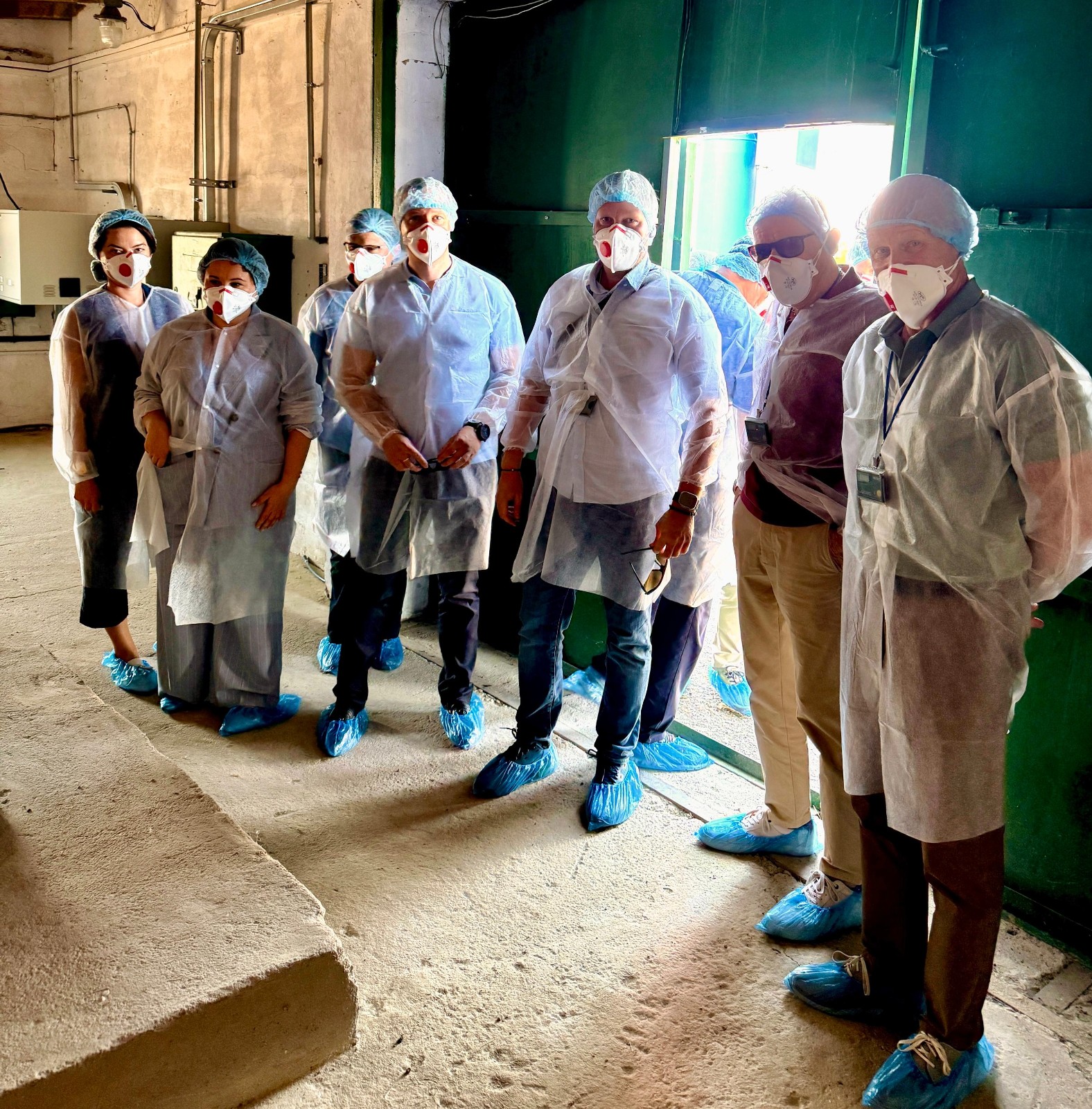
Ukraine Advances Modernization of Odesa Radioactive Waste Management System
The State Agency of Ukraine for Exclusion Zone Management (SAUEZM) recently organized a working meeting in Odesa to discuss the modernization of the radioactive waste management system and the implementation progress of related international technical assistance projects. The meeting was held at the Odesa Interregional Branch of the Ukrainian state-owned specialized enterprise "Association Radon," chaired by Oleksiy Budyk, Deputy Head of SAUEZM, with participation from the Joint Support Office (JSO), NT-Engineering LLC, and management and experts of Association Radon. The meeting covered two international technical assistance projects...
2026-08-31
Japan Plans to Include Hitachiomiya, Ibaraki Prefecture, in Nuclear Waste Disposal Site Selection Survey
According to sources familiar with the matter on August 31, Japan's Ministry of Economy, Trade and Industry is considering conducting a preliminary survey in Hitachiomiya, Ibaraki Prefecture, to designate the city as one of the potential candidate sites for a final disposal facility for high-level radioactive waste. The relevant plan is expected to be submitted to the Hitachiomiya municipal government. If the local government accepts the plan, Hitachiomiya will become the fifth location in Japan to undergo such a preliminary survey. The site selection process for Japan's high-level radioactive waste disposal facility involves multiple stages, and the entire screening process typically takes several years. The proposed preliminary survey is an early step to determine whether the area meets the conditions for further evaluation...
2026-08-31
Japan nuclear waste, geological disposal, literature survey, Hitachiomiya City
Japan's Ministry of Economy, Trade and Industry (METI) is in the final stages of coordination regarding the site selection process for the final disposal of high-level radioactive waste, with plans to request Hitachiomiya City in Ibaraki Prefecture to conduct a literature survey. The literature survey is the first phase of Japan's screening process for selecting a final disposal site for high-level radioactive waste generated from nuclear power generation. It primarily relies on existing literature and materials to assess whether candidate areas have safety concerns such as volcanoes and active faults. Hitachiomiya City is located in the northwestern part of Ibaraki Prefecture, bordering Tochigi Prefecture, with a population of slightly over 35,000. The city does not face the sea, with the Kuji River and Naka River flowing through its territory. Forests account for approximately 60% of the city's total area, and agriculture and manufacturing are the main industries. In recent years, the city has been promoting tourism and emerging industries leveraging the natural environment, while also facing challenges such as population decline, aging, and fiscal pressure.
2026-08-31
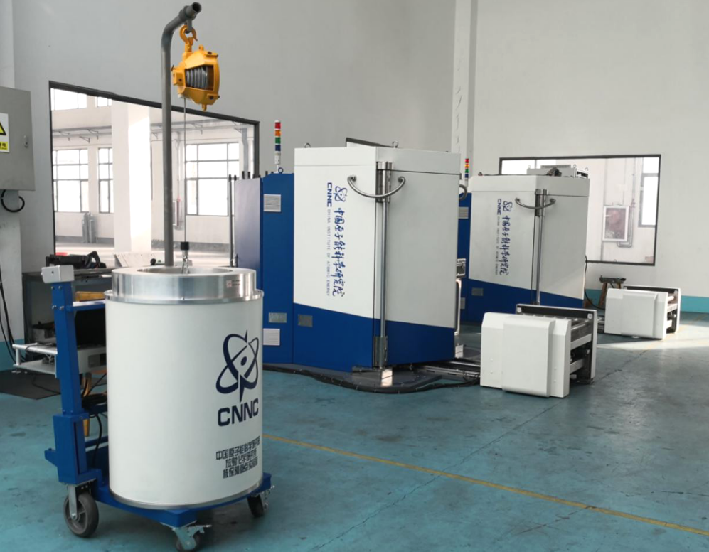
CIAE Neutron Measurement Patent for Nuclear Waste Wins China Patent Excellence Award
On August 28, the results of the 26th China Patent Award, the highest government honor in China's intellectual property field, were announced. The invention patent for the calibration method of a neutron measurement device for drummed nuclear waste, completed by Zhu Liqun, Senior Engineer, and Xu Xiaoming, Associate Researcher, from the Department of Radiochemistry at the China Institute of Atomic Energy (CIAE), won the China Patent Excellence Award. Since 2020, CIAE has won the China Patent Award for six consecutive sessions, securing a total of 11 awards including 2 gold and 1 silver medals, further demonstrating the institute's formidable strength in technological innovation and intellectual property. The calibration method invention patent for the neutron measurement device for drummed nuclear waste has achieved multiple world firsts...
2026-08-29

UK Low-Level Waste Disposal Site STIM Project Rail Transport Completed Ahead of Schedule
The Southern Trench Interim Membrane (STIM) project at the UK's Low Level Waste Repository in Cumbria has completed its final aggregate rail deliveries, with related deliveries completed approximately one month ahead of schedule. Nuclear Waste Services (NWS) is progressing with capping works at the site, implementing long-term management of trenches and vaults used decades ago for the disposal of low-level radioactive waste. The current focus is on replacing the protective membrane above the southern trenches. This membrane reduces rainwater infiltration into the waste areas below, helping to lower environmental risks and creating conditions for the subsequent final capping of the northern trenches. The STIM project requires substantial quantities of aggregate to be placed on the trench cover. Since February 2025...
2026-08-21
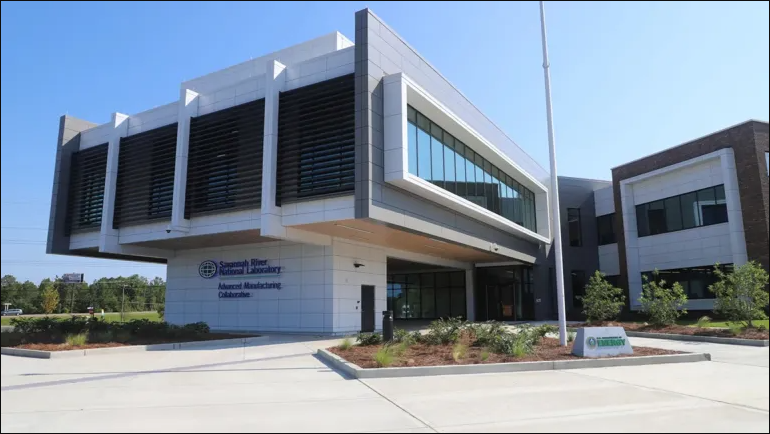
U.S. Laboratory Advances Nuclear Waste Cleanup Technology R&D with Artificial Intelligence
Researchers in South Carolina, U.S., are leveraging artificial intelligence to develop new tools for tackling complex tasks such as nuclear material disposal, waste management, and environmental cleanup. The relevant projects are being conducted at the Advanced Manufacturing Collaborative (AMC) in Aiken, a facility affiliated with the Savannah River National Laboratory (SRNL), spanning approximately 63,000 square feet, with the project launched on August 7, 2025. The Advanced Manufacturing Collaborative brings together researchers, engineers, students, industry partners, and university teams, with a focus on advancing R&D in artificial intelligence, robotics, additive manufacturing, and advanced materials. Johnny Green, Director of the Savannah River National Laboratory, stated that...
2026-08-19
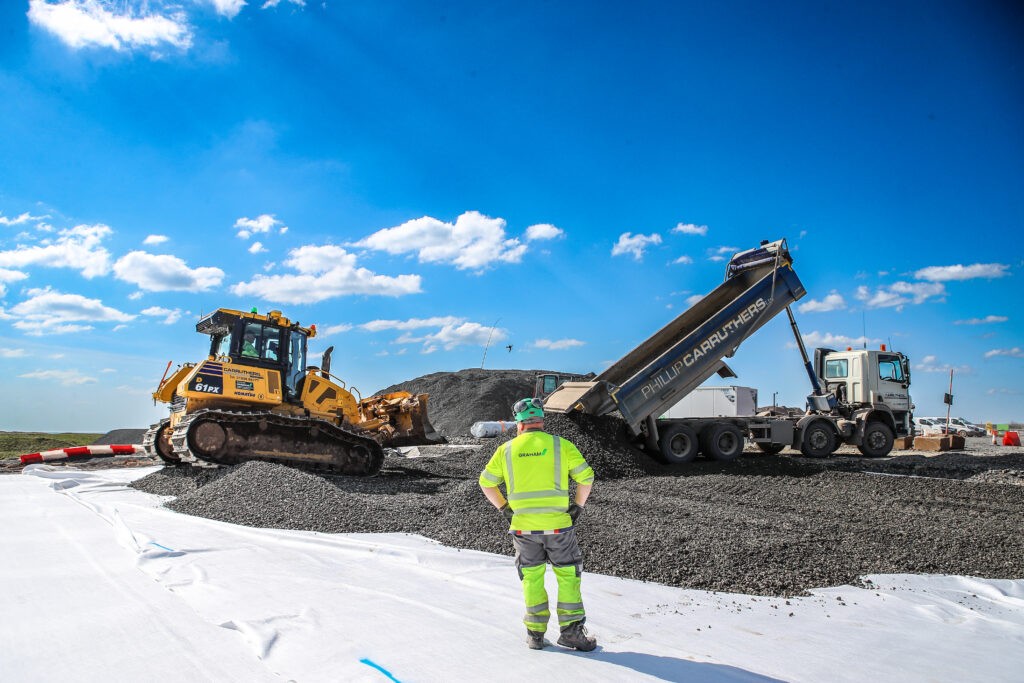
UK Low-Level Waste Repository Advances Capping Project, Rail-Transported Aggregate Exceeds 285,000 Tonnes
Nuclear Waste Services (NWS) is advancing capping-related works at the Low-Level Waste Repository on the west coast of Cumbria, UK, to strengthen long-term protection of existing disposal trenches and vaults. Since the repository began operations in 1959, it has supported the safe disposal of approximately 1 million cubic metres of low-level radioactive waste, making it a key facility in the UK's radioactive waste management system. NWS, part of the Nuclear Decommissioning Authority (NDA), is primarily responsible for consolidating the UK's radioactive waste management capabilities, providing management solutions for legacy wastes from civil and defence sectors as well as wastes arising from future new-build nuclear projects...
2026-08-12
GAO: DOE Nuclear Cleanup "End-State Contract Model" Exceeds Budget by $500 Million in Six Years and Misses Goals
A report released by the U.S. Government Accountability Office (GAO) on July 29 shows that the Office of Environmental Management (EM) at the U.S. Department of Energy has accumulated over $500 million in cost growth on nuclear waste cleanup contracts since 2020, yet the agency cannot fully explain the reasons for these increases. EM is responsible for cleaning up 15 sites in the United States contaminated by nuclear weapons production and energy research. To address long-standing contract management problems, EM adopted the End-State Contract Model (ESCM) starting in fiscal year 2020, breaking cleanup work into smaller task orders under larger master contracts, with the goal of improving cost predictability, accelerating cleanup progress, and enhancing performance outcomes...
2026-08-12
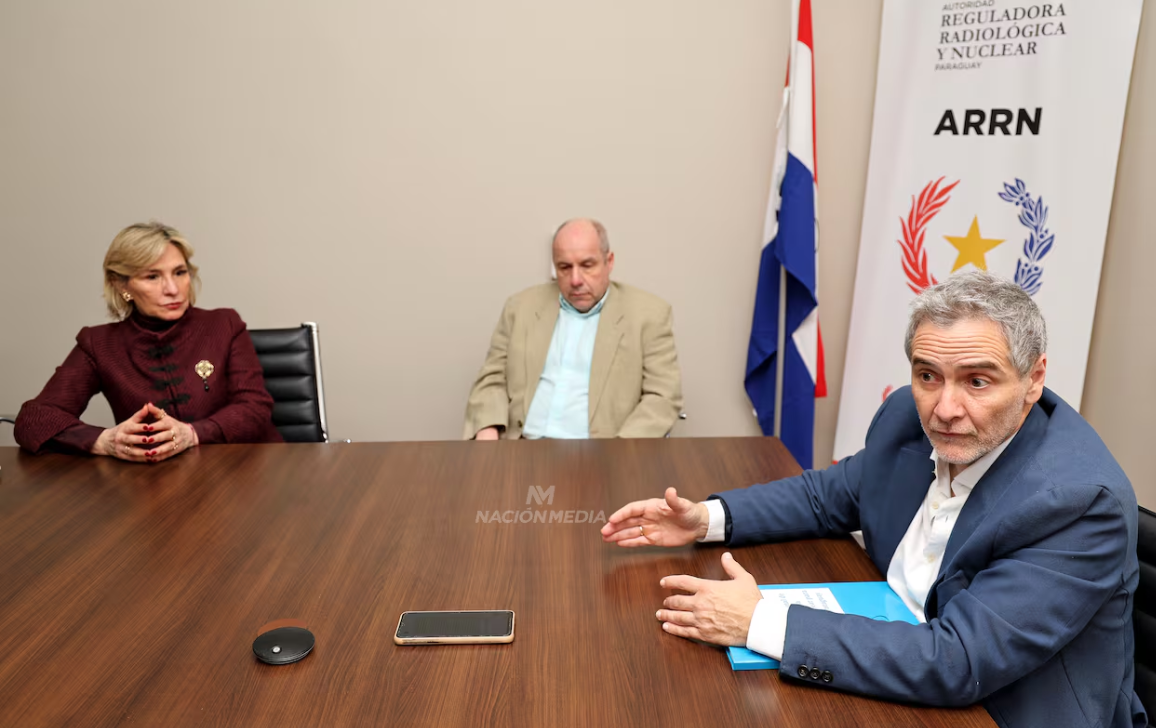
Paraguay's Nuclear Power Generation Debate Heats Up: Regulator Supports Private Sector Participation
Paraguay's Radiation and Nuclear Regulatory Authority (ARRN) has welcomed the open attitude shown by the National Electricity Administration (ANDE), stating that allowing or encouraging private sector participation in nuclear power generation projects would bring new discussion space to the country's energy mix. This stance indicates that nuclear energy is no longer just a long-term technical vision but has begun to enter the public agenda of policy, investment, and regulatory coordination. Paraguay has long relied on hydropower resources, with major projects such as Itaipu and Yacyretá giving it an advantage in clean electricity. However, with domestic industrialization, growing electricity consumption, and changes in the regional energy market, sole reliance on hydropower also faces pressures from seasonality, hydrological conditions, and long-term demand...
2026-08-10
Canadian laboratory validates molten salt separation process with real spent fuel, extracting nearly 90% of plutonium in 24 hours
A chemical experiment in Canada involving real commercial reactor spent fuel has achieved noteworthy progress. Canadian Nuclear Laboratories, in shielded hot cells at Chalk River, used irradiated spent fuel from CANDU reactors to validate the first phase of Moltex Energy's waste-to-stable-salt process. The experiment showed that within 24 hours, 89.4% of the plutonium was transferred into the molten salt; by 60 hours, this proportion rose to 94.3%. Meanwhile, the vast majority of uranium remained outside the salt phase, indicating that the process exhibits strong selectivity in separating target elements. This process, named WATSS, is not a plutonium purification route but rather a group separation technology. In addition to large quantities of uranium, spent fuel contains fission products as well as transuranic elements such as plutonium and americium, the latter being a significant source of long-term radiological risk. WATSS uses high-temperature chloride molten salt and specific reducing metals to convert transuranic oxides into salt-soluble forms, while most uranium oxides remain solid. In this experiment, researchers used niobium as the reducing metal; after 24 hours, only 0.05% of uranium entered the salt, dropping to 0.02% after 60 hours, demonstrating that it does not carry large amounts of uranium into the molten salt system.
2026-08-09