
Hitachiomiya City Assembly in Japan Hears Briefing on Literature Survey for High-Level Radioactive Waste Disposal Site
 Scan to share
On September 4, the Hitachiomiya City Assembly in Ibaraki Prefecture, Japan, held a closed-door briefing session regarding the central government's request for the city to initiate a “literature survey” for the final disposal site selection of high-level radioactive waste. Representatives from the Ministry of Economy, Trade and Industry (METI) and the Nuclear Waste Management Organization of Japan (NUMO) attended the meeting to explain the national energy policy, an overview of the geological disposal project, and the background behind the survey request.
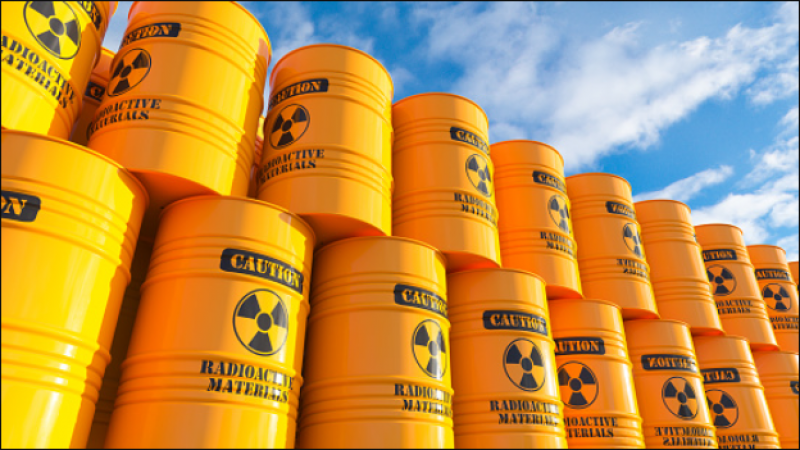
All 16 members of the Hitachiomiya City Assembly participated in the briefing, with Mayor Suzuki Sadayuki attending as an observer. The meeting was originally scheduled for approximately two hours but actually lasted about three and a half hours due to the large number of questions from assembly members. After the meeting, Yokote Hiroki, Director of the Radioactive Waste Policy Division at METI's Agency for Natural Resources and Energy, stated that the questions raised by assembly members covered multiple aspects, including technical details of geological disposal and the site selection procedure for disposal facilities, and that the government side would continue its outreach efforts. Should the City Assembly make a request, METI would provide further explanations.
The site selection process for the final disposal of high-level radioactive waste in Japan typically proceeds through stages such as literature survey, preliminary survey, and detailed survey. The literature survey is the first stage, primarily conducting a preliminary assessment of candidate areas based on existing geological data and literature information. METI submitted a request to Hitachiomiya City on August 31 to conduct the literature survey.
After the briefing session, Assembly Chairperson Akiyama Nobuo stated that no clear position in favor or against had been formed during the meeting. The City Assembly will convene again on September 9 to hear each member's views and convey their opinions item by item to Mayor Suzuki Sadayuki, without holding a consolidated vote. Akiyama stated that assembly members need to carefully study the relevant circumstances and communicate information to residents.
Suzuki Sadayuki had previously indicated a positive stance toward the central government's literature survey request but stated he would make a judgment after hearing the City Assembly's views. He may decide whether to accept the request as early as at the regular City Assembly session concluding on September 18.
Some city assembly members expressed confusion over the manner in which the survey request was presented, stating that it came suddenly and was difficult to explain immediately to their constituents. Other members advocated for establishing a special committee for in-depth discussion, or for providing opportunities for those opposed to geological disposal to express their views. Still other members argued that the deliberative process should be made more open to the public.
On the same day, eight members from six civic groups in Ibaraki Prefecture and other areas visited the Hitachiomiya City Government and submitted a petition to the mayor and the assembly chairperson, calling for opposition to accepting the literature survey. The petitioners argued that Japan is prone to frequent earthquakes, geological disposal entails risks, and that dependence on nuclear power, which generates high-level radioactive waste, should first be reduced. Later that day, members of other civic groups held a protest in front of the city hall, demanding that the city government listen to residents' opinions.
Disclaimer: Information republished from partner media, institutions or other websites is provided for reference and communication purposes only. It does not imply endorsement of its views or verification of its accuracy. Please contact us if any content infringes rights or requires correction.