
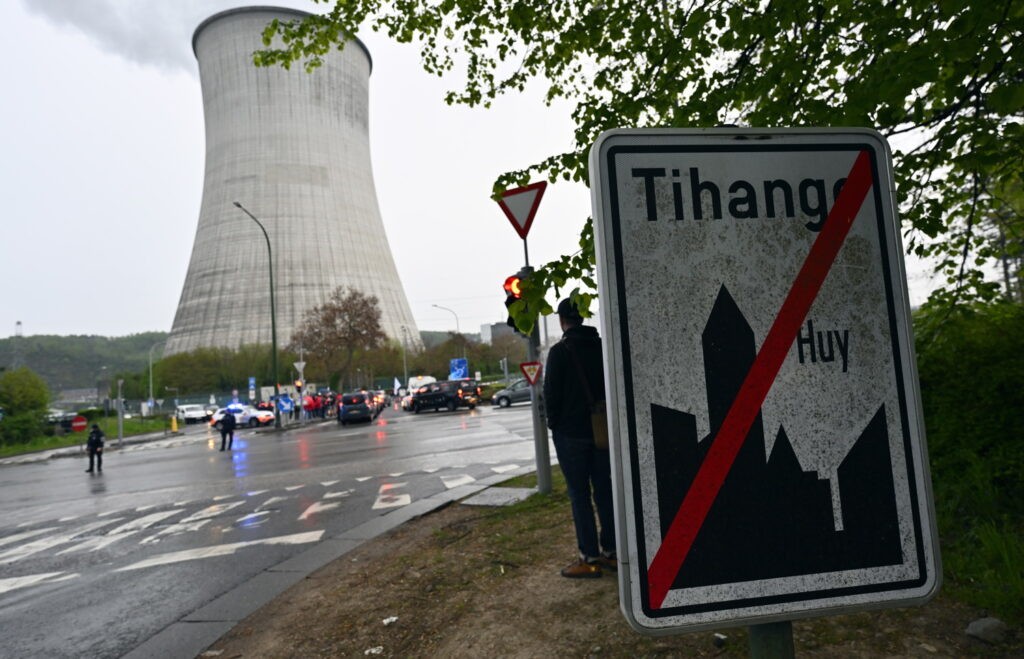
Lower likelihood of restart for Belgium's Doel 3 and Tihange 2 reactors
According to a September 11 report by Le Soir, samples collected nearly two years ago from the reactor pressure vessels of Belgium's Doel 3 and Tihange 2 reactors indicate that the possibility of restarting these two nuclear reactors is extremely low. In the winter of 2024 to 2025, operator Engie successively took samples from the Doel 3 reactor pressure vessel and the Tihange 2 reactor pressure vessel. The sampling work was carried out at the request of the Belgian Federal Agency for Nuclear Control (FANC) and the Belgian National Agency for Radioactive Waste and Enriched Fissile Materials (NIRAS), which is responsible for radioactive waste management, with the aim of measuring in detail the radiation levels at different parts of the pressure vessels so as to classify and dispose of the related waste.
2026-09-13
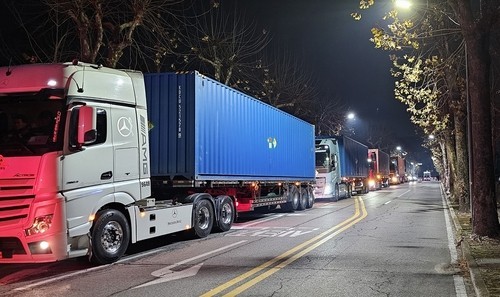
Daejeon, South Korea Ranks Second Nationwide in Low- and Intermediate-Level Radioactive Waste Storage, Spent Fuel Transfer Plan Still Not Implemented
According to data released on September 12 by South Korea's Integrated Radioactive Waste Safety Management Information System, two nuclear-related facilities in Daejeon——the Korea Atomic Energy Research Institute and Korea Hydro & Nuclear Power's Nuclear Fuel Company——currently store a total of 29,587 drums of low- and intermediate-level radioactive waste, with each drum having a capacity of 200 liters. This storage volume ranks second in South Korea, surpassed only by the Gori Nuclear Power Plant's 40,087 drums. Transportation of low- and intermediate-level radioactive waste Daejeon provides The low- and intermediate-level radioactive waste stored by the Korea Atomic Energy Research Institute mainly comes from the operation of the Hanaro research reactor, as well as waste generated during the decommissioning of an experimental reactor in Seoul in the mid-2000s. Nuclear-related facilities in Daejeon...
2026-09-13

Director of the Division of Radiation, Transport and Waste Safety, Department of Nuclear Safety and Security, IAEA, Van den Howe, Visits the Nuclear and Radiation Safety Center of the Ministry of Ecology and Environment
On September 8, 2026, Ms. Hildegard Van den Howe, Director of the Division of Radiation, Transport and Waste Safety, Department of Nuclear Safety and Security, International Atomic Energy Agency (IAEA), visited the Nuclear and Radiation Safety Center of the Ministry of Ecology and Environment (hereinafter referred to as the Center). Chai Guohan, Director of the Center, and heads of relevant departments participated in the exchange activities. At present, cooperation between the Center and the IAEA is continuously deepening. Since being designated by the IAEA in May 2023 as the world's first Collaborating Center for Nuclear and Radiation Safety, the Center has, relying on this platform, successfully hosted high-level activities such as the Nuclear and Radiation Safety Leadership Workshop, the ANSN Regional Workshop, and multiple international training sessions, with the platform's clustering and radiation effects becoming increasingly prominent. The Center has always been a trusted partner of the IAEA.
2026-09-11
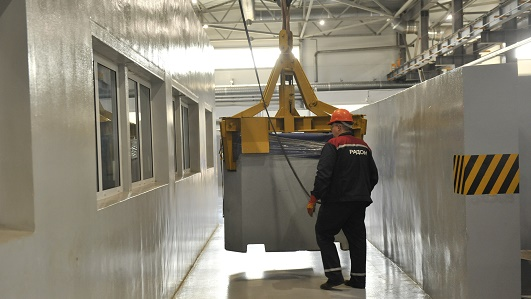
Russia's RADON advances pre-disposal work on radioactive waste at multiple sites
The Russian federal state unitary enterprise RADON is advancing multiple pre-disposal work activities for radioactive waste to reduce existing inventories and transfer compliant waste to the national operator FSUE NO RAO for final disposal. The work falls under special measures within the federal targeted program for nuclear and radiation safety (FTP NRS-2). The radioactive waste accumulated at RADON facilities remains under continuous monitoring and control to meet safety requirements. At the facility of RADON's Northwest Regional Branch in Sosnovy Bor, Leningrad Oblast, the retrieval, sorting, and pre-disposal preparation of federally owned radioactive waste has been completed. Between 2014 and 2018, this batch of waste was in...
2026-09-10
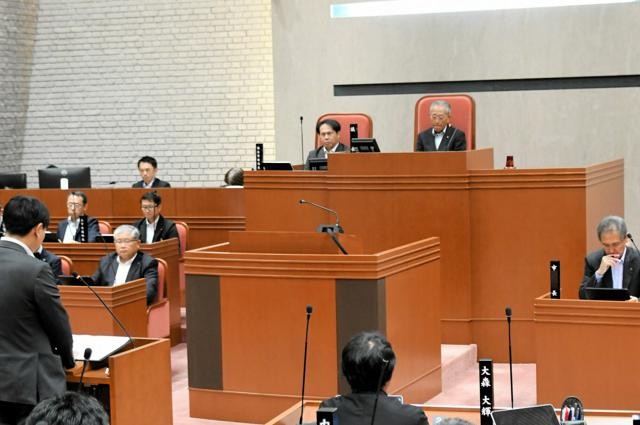
Hitachiota City, Ibaraki Prefecture, Japan to Reconsider Literature Survey for Final Disposal Site of High-Level Radioactive Waste
The Hitachiota City Council in Ibaraki Prefecture, Japan, held a closed-door meeting on September 9 to hear council members' opinions on the Ministry of Economy, Trade and Industry's request for the city to conduct a literature survey for selecting a final disposal site for high-level radioactive waste. After the meeting, sources said that two council members expressed support and two expressed opposition, and the city council failed to reach a consensus, deciding to hold another meeting on September 16 for discussion. The closed-door meeting was initiated by Hitachiota Mayor Sadayuki Suzuki, with the aim of providing reference for the city government to judge whether to accept the literature survey. The Ministry of Economy, Trade and Industry made the request to the city on August 31. Suzuki previously said he would "actively consider" conducting the literature survey and hoped...
2026-09-10
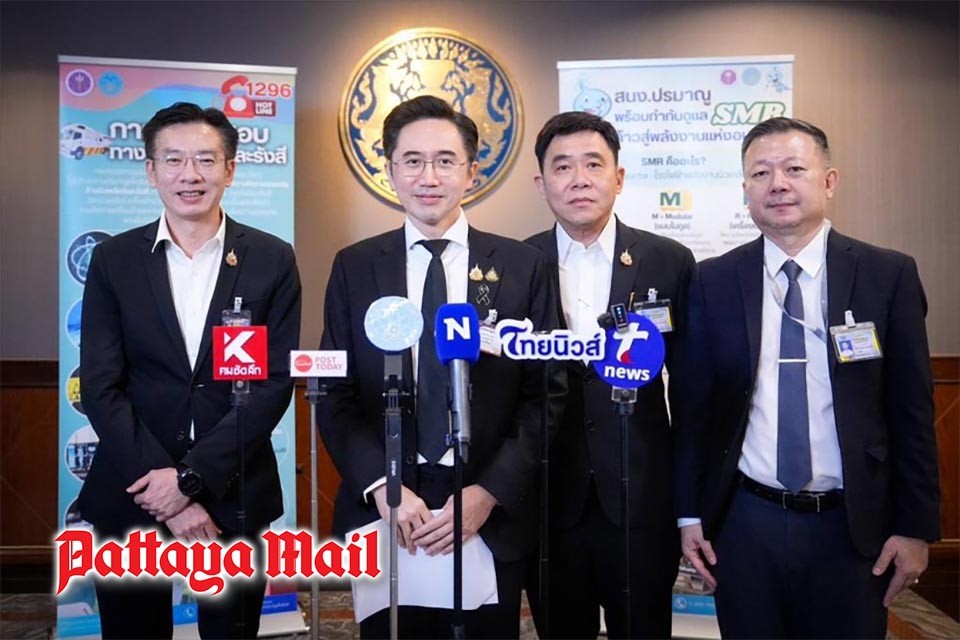
Thailand Advances SMR Regulatory Preparedness to Strengthen Energy Security
On September 8, 2026, Thailand's Deputy Prime Minister and Minister of Higher Education, Science, Research and Innovation, Yodchanan Wongsawat, chaired the second meeting of the Nuclear Energy for Peace Committee in 2026 at Government House. The meeting discussed Thailand's long-term nuclear energy strategy and preparatory work on the regulatory framework, talent development, and industrial supply chain for Small Modular Reactors (SMRs). The Thai government emphasized that these efforts constitute preliminary capacity building and do not imply a decision to construct nuclear power plants. The meeting approved an SMR regulatory policy framework, which draws on relevant standards of the International Atomic Energy Agency (IAEA)...
2026-09-09
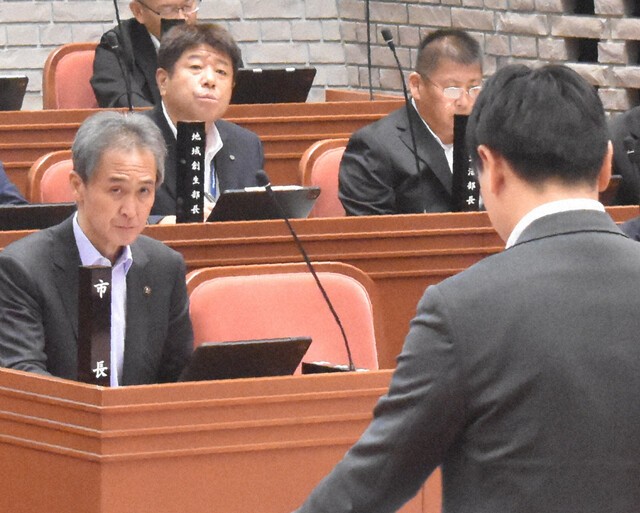
Hitachioomiya City Assembly in Ibaraki Prefecture, Japan, discusses literature survey request for nuclear waste disposal site
Hitachioomiya City in Ibaraki Prefecture, Japan, received a request from Japan's Ministry of Economy, Trade and Industry (METI) asking the city to accept a literature survey for the siting of a final disposal facility for high-level radioactive waste. On September 8, the Hitachioomiya City Assembly held a general question-and-answer session, during which multiple city assembly members expressed their views on whether to accept the survey. Of the five assembly members who filed questions that day, two expressed opposition to accepting the request and one expressed support. The assembly plans to hold a closed-door meeting on September 9, at which each assembly member will state their position, and the relevant content will subsequently be conveyed to Mayor Sadayuki Suzuki for his consideration in formulating the city government's response. Assembly member Toshiyuki Kurata stated that if the literature survey proceeds, it would impact the policies and projects currently being implemented by the city...
2026-09-09
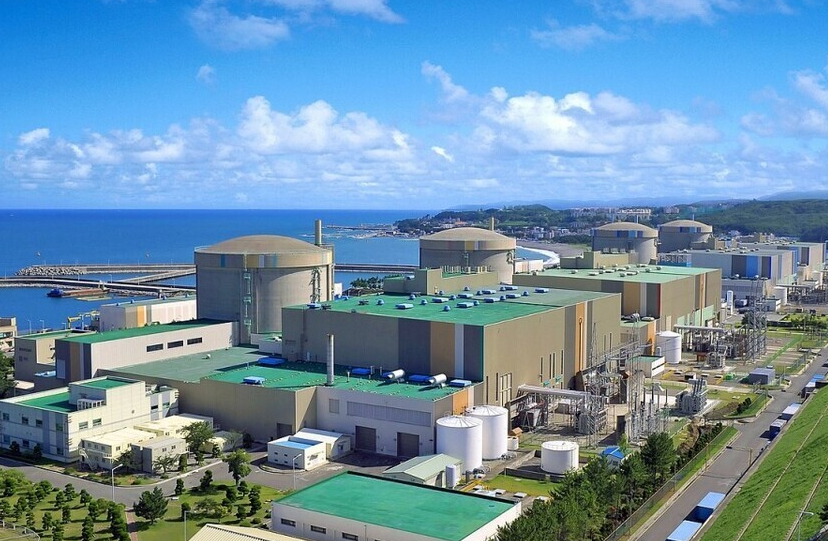
Gyeongju City in South Korea Submits Key Requests to Government for Extension of Wolseong Nuclear Power Plant
Gyeongju City, North Gyeongsang Province, South Korea, stated on September 7 that it has submitted five key pending matters to the Ministry of Climate, Energy and Environment, covering nuclear power plants, support facilities for low- and intermediate-level radioactive waste disposal, and water supply guarantees for the Hyeongsan River basin. On the same day, Gyeongju Mayor Joo Nak-young and National Assembly member Kim Seok-ki met with Minister Kim Sung-hwan of the Ministry of Climate, Energy and Environment to explain the importance of the relevant projects to regional development and public welfare, and requested review and support at the central government level. Regarding support facilities for radioactive waste disposal...
2026-09-08
Hitachiomiya City Assembly in Japan Hears Briefing on Literature Survey for High-Level Radioactive Waste Disposal Site
On September 4, the Hitachiomiya City Assembly in Ibaraki Prefecture, Japan, held a closed-door briefing session regarding the central government's request for the city to initiate a literature survey for the final disposal site selection of high-level radioactive waste. Representatives from the Ministry of Economy, Trade and Industry (METI) and the Nuclear Waste Management Organization of Japan (NUMO) attended the meeting to explain the national energy policy, an overview of the geological disposal project, and the background behind the survey request. All 16 members of the Hitachiomiya City Assembly participated in the briefing, with Mayor Suzuki Sadayuki attending as an observer. The meeting was originally scheduled for approximately two hours but actually lasted about three and a half hours due to the large number of questions from assembly members. After the meeting, Yokote Hiroki, Director of the Radioactive Waste Policy Division at METI's Agency for Natural Resources and Energy, stated that assembly members raised questions covering multiple aspects, including technical details of geological disposal and the site selection procedure for disposal facilities, and that the government side would continue its outreach efforts. Should the City Assembly make a request, METI would provide further explanations.
2026-09-06
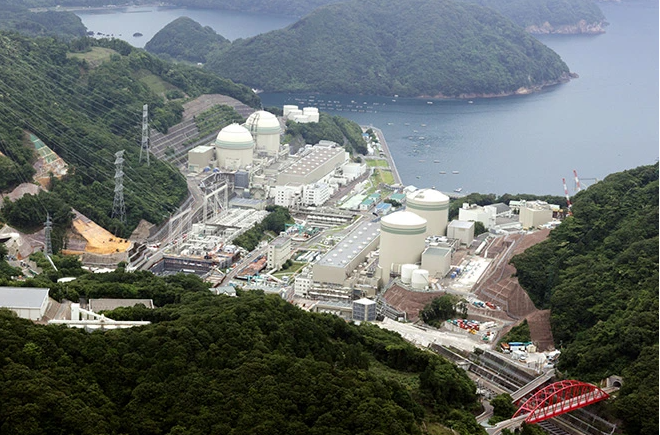
Takahama Nuclear Power Plant in Japan to Transport 1,600 Drums of Low-Level Radioactive Waste
Kansai Electric Power announced on September 4 that it will transport low-level radioactive waste generated at the Takahama Nuclear Power Plant to the Low-Level Radioactive Waste Disposal Center of Japan Nuclear Fuel Limited (JNFL) in Rokkasho Village, Aomori Prefecture. According to the plan, the dedicated low-level radioactive waste transport vessel Seiei Maru will berth at the Takahama Nuclear Power Plant on September 5 and depart on September 12 after loading is completed. If the transport schedule is adjusted due to factors such as weather conditions, Kansai Electric Power will announce the actual situation separately. This shipment consists of 200 dedicated containers holding 1,600 waste drums, all of which are cement-solidified waste, excluding homogeneously solidified waste.
2026-09-04
Belarusian Radioactive Waste Disposal Facility Site Selection May Be Determined by Year-End
Belarusian Energy Minister Denis Moroz recently stated that the site selection for Belarus's radioactive waste disposal facility is expected to be determined by the end of this year. The relevant announcement was made during events marking the 25th anniversary of the Belarusian Ministry of Energy. Moroz noted that Belarus began studying radioactive waste management issues before the final commissioning of its nuclear power plant. Following feasibility studies, Belarus decided to construct a radioactive waste disposal facility and established a dedicated Belarusian radioactive waste management organization to oversee the relevant work. Preliminary work on the disposal facility is currently underway. Moroz stated that radiation safety is of paramount importance to Belarus, and International Atomic Energy Agency (IAEA) documents have already...
2026-09-03
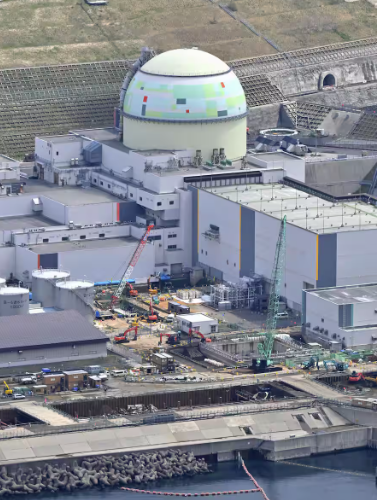
Japan's Tomari Nuclear Power Plant Plans New Low-Level Radioactive Waste Processing Facility
Hokkaido Electric Power Company (HEPCO) recently announced plans to construct a new low-level radioactive waste processing facility within the premises of the Tomari Nuclear Power Plant in Hokkaido, Japan, to handle approximately 12,000 drums of low-level radioactive waste currently stored on site. According to HEPCO, the new facility will sort waste such as paper and metal, reduce its volume through fine shredding or compression, and then solidify it by pouring mortar into the waste drums. After processing, the waste will undergo radioactivity level testing before being transported to the disposal center in Rokkasho Village, Aomori Prefecture. Previously, the Tomari plant had stored this type of waste in 200-liter drums without further processing. The proposed facility will have an annual processing capacity of over 1,000 drums, feature a three-story structure, and cover a total floor area of approximately 4,600 square meters.
2026-09-02
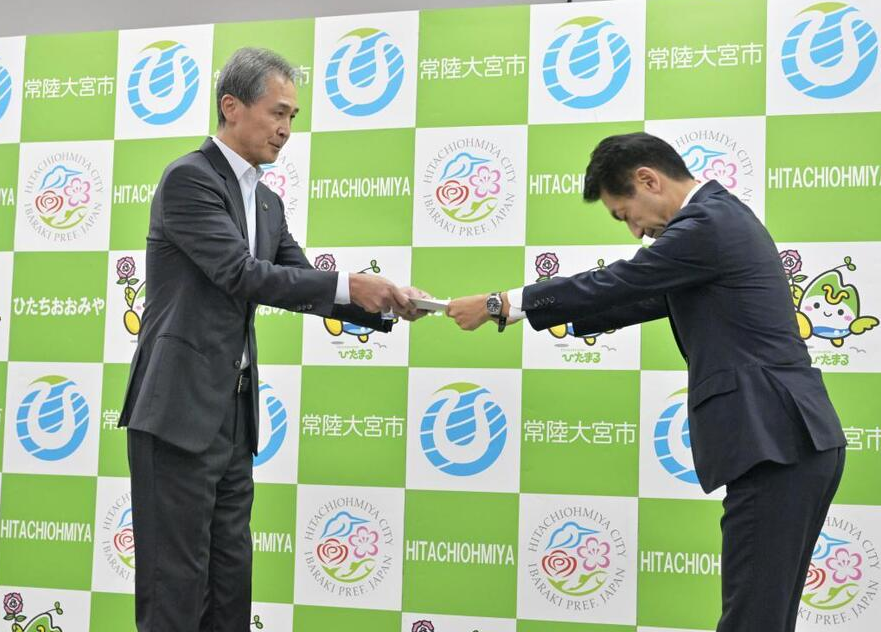
Japan Requests Hitachiomiya City in Ibaraki Prefecture to Conduct Literature Survey for High-Level Radioactive Waste Disposal Site
Japan's Ministry of Economy, Trade and Industry (METI) on August 31 requested Hitachiomiya City in Ibaraki Prefecture to conduct a literature survey, as the first step in siting a final disposal facility for high-level radioactive waste generated from nuclear power plant operations. If Hitachiomiya City agrees, it will become the fifth municipality in Japan to accept such a literature survey, and the second time the Japanese government has proactively requested a survey from a local government, following Minamitorishima in Ogasawara Village, Tokyo. On the same day, Takashi Kume, Vice Commissioner of Japan's Agency for Natural Resources and Energy, visited the Hitachiomiya City government and submitted the survey request to Mayor Sadanori Suzuki. Suzuki stated that he personally takes a positive stance toward accepting the literature survey, and noted that the city faces issues such as rapid population decline and a weak local economy, adding that if the area has favorable geological conditions, participating in the national geological disposal policy would be of "significant importance." He said he would make a decision after hearing the views of the city assembly, with the matter possibly being discussed at the regular assembly meeting as early as September.
2026-09-01
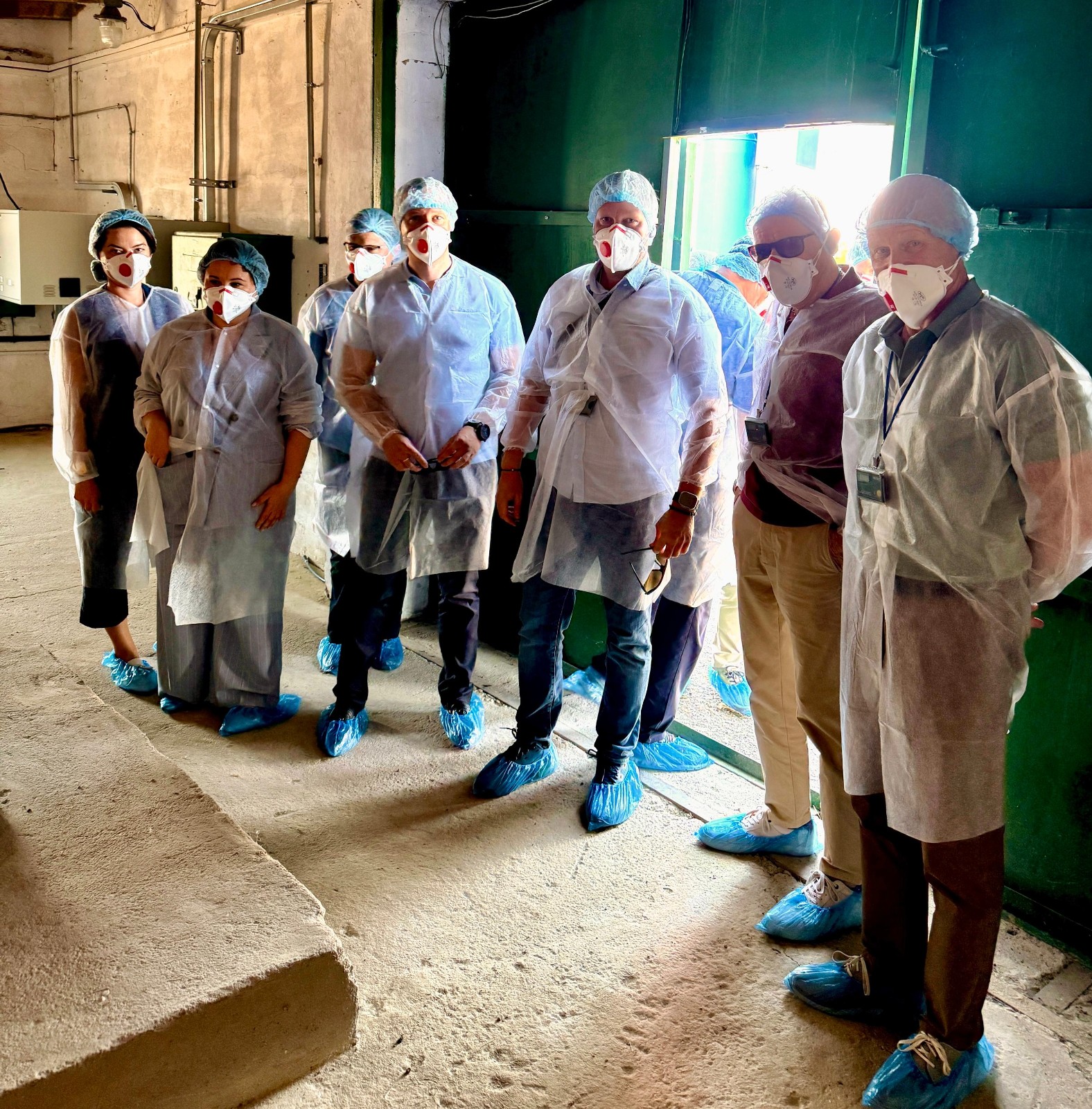
Ukraine Advances Modernization of Odesa Radioactive Waste Management System
The State Agency of Ukraine for Exclusion Zone Management (SAUEZM) recently organized a working meeting in Odesa to discuss the modernization of the radioactive waste management system and the implementation progress of related international technical assistance projects. The meeting was held at the Odesa Interregional Branch of the Ukrainian state-owned specialized enterprise "Association Radon," chaired by Oleksiy Budyk, Deputy Head of SAUEZM, with participation from the Joint Support Office (JSO), NT-Engineering LLC, and management and experts of Association Radon. The meeting covered two international technical assistance projects...
2026-08-31
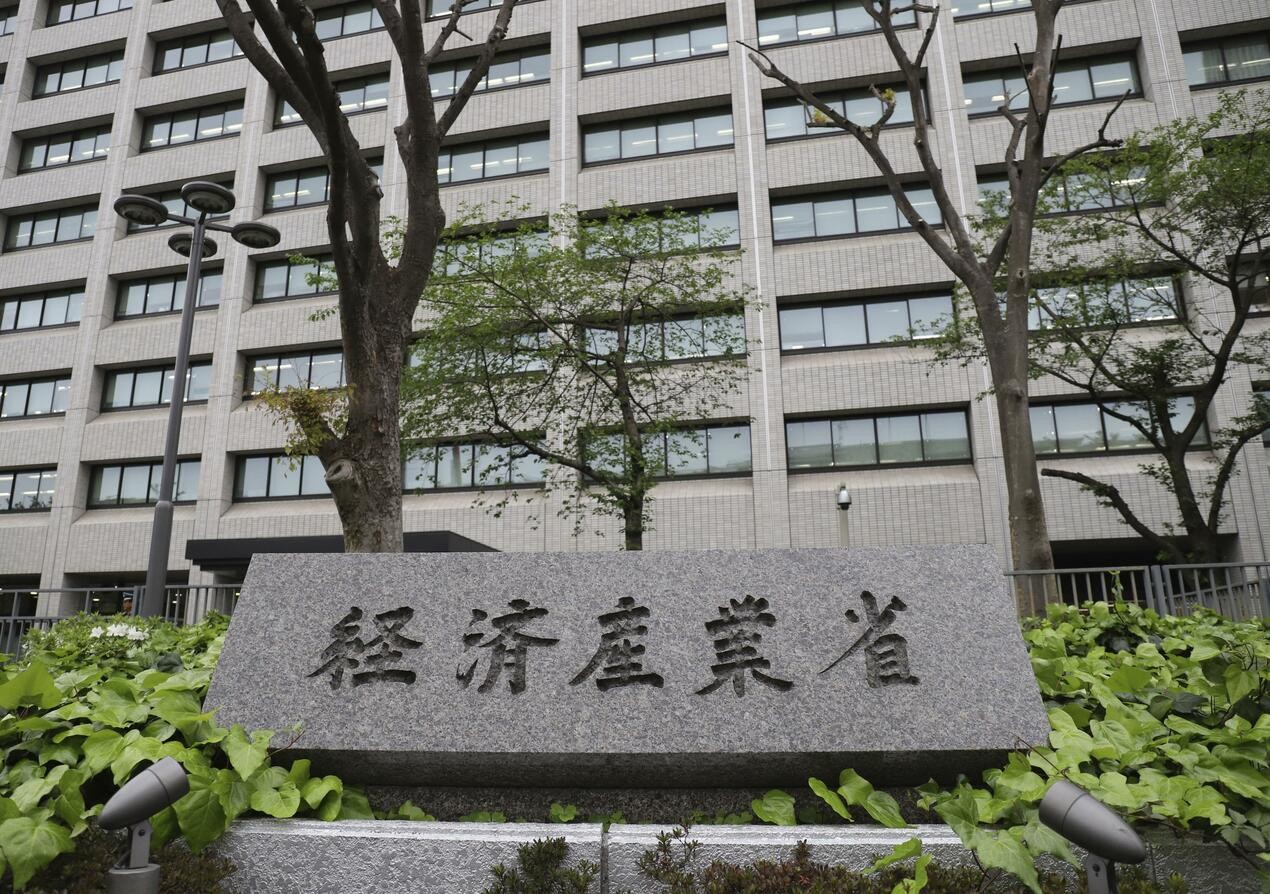
Japan Plans to Include Hitachiomiya, Ibaraki Prefecture, in Nuclear Waste Disposal Site Selection Survey
According to sources familiar with the matter on August 31, Japan's Ministry of Economy, Trade and Industry is considering conducting a preliminary survey in Hitachiomiya, Ibaraki Prefecture, to designate the city as one of the potential candidate sites for a final disposal facility for high-level radioactive waste. The relevant plan is expected to be submitted to the Hitachiomiya municipal government. If the local government accepts the plan, Hitachiomiya will become the fifth location in Japan to undergo such a preliminary survey. The site selection process for Japan's high-level radioactive waste disposal facility involves multiple stages, and the entire screening process typically takes several years. The proposed preliminary survey is an early step to determine whether the area meets the conditions for further evaluation...
2026-08-31
Japan nuclear waste, geological disposal, literature survey, Hitachiomiya City
Japan's Ministry of Economy, Trade and Industry (METI) is in the final stages of coordination regarding the site selection process for the final disposal of high-level radioactive waste, with plans to request Hitachiomiya City in Ibaraki Prefecture to conduct a literature survey. The literature survey is the first phase of Japan's screening process for selecting a final disposal site for high-level radioactive waste generated from nuclear power generation. It primarily relies on existing literature and materials to assess whether candidate areas have safety concerns such as volcanoes and active faults. Hitachiomiya City is located in the northwestern part of Ibaraki Prefecture, bordering Tochigi Prefecture, with a population of slightly over 35,000. The city does not face the sea, with the Kuji River and Naka River flowing through its territory. Forests account for approximately 60% of the city's total area, and agriculture and manufacturing are the main industries. In recent years, the city has been promoting tourism and emerging industries leveraging the natural environment, while also facing challenges such as population decline, aging, and fiscal pressure.
2026-08-31
Japanese Nuclear Regulator Inspects Horonobe Geological Disposal Research Facility for High-Level Radioactive Waste
On August 28, Shinya Nagasaki and other members of Japan's Nuclear Regulation Authority (NRA) inspected an underground research facility in Horonobe Town, Japan. The facility, operated by the Japan Atomic Energy Agency (JAEA), conducts technical research on deep geological disposal of high-level radioactive waste. Geological disposal of high-level radioactive waste involves encapsulating the waste and burying it deep underground, achieving long-term isolation through engineered and natural geological barriers. During the inspection, Nagasaki and his delegation examined test facilities used to evaluate the corrosion resistance of iron containers. The tests simulate the environment of containers holding heat-generating radioactive waste after being buried underground...
2026-08-30
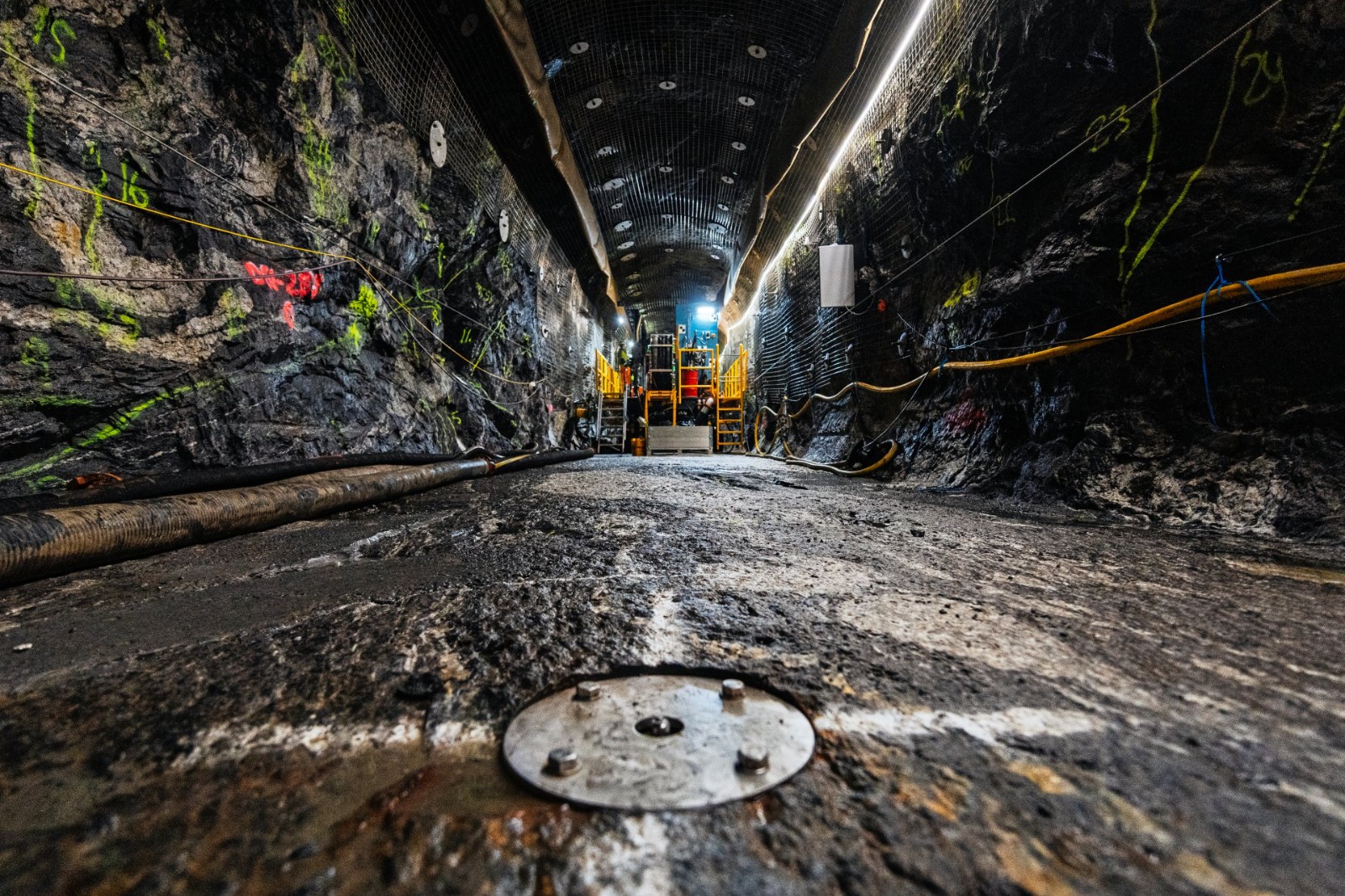
Finland's Onkalo Spent Fuel Disposal Facility Starts Drilling of First Disposal Hole
On the afternoon of August 26, 2026, Finland's Onkalo spent fuel final disposal facility commenced drilling of its first disposal hole deep in the bedrock at Olkiluoto. Posiva stated that the drilling operation is being carried out at a depth of more than 400 meters underground, with the drill bit beginning to cut into the approximately 1.9-billion-year-old Olkiluoto bedrock. Kimmo Lehtola, Posiva's Operations Construction Manager, explained that a kick-off meeting had been held the day before the operation, focusing on reviewing safety matters, technical specifications, and the detailed drilling plan. On the morning and early afternoon of the drilling day, the team completed final adjustments to the equipment, after which the drilling rig began its work. He noted that the team had previously completed...
2026-08-28
Belarus Advances Preparations for Radioactive Waste Disposal Facility
Belarus is advancing preliminary work on the construction of a centralized radioactive waste disposal facility. Mikhail Kisel, Director of the Belarusian Radioactive Waste Management Organization, recently stated at a public discussion on the environmental impact assessment report held in Mstsislaw that, according to the country's radioactive waste management strategy through 2050, existing storage facilities will need to be decommissioned in the future, and the new radioactive waste disposal facility is planned to be completed by 2030. Kisel noted that the sources of radioactive waste are not limited to the nuclear energy sector, but also include healthcare, industrial, and scientific research activities. Currently, centralized long-term storage of such waste is handled by the specialized enterprise Ekores. Belarusian radioactive waste...
2026-08-27
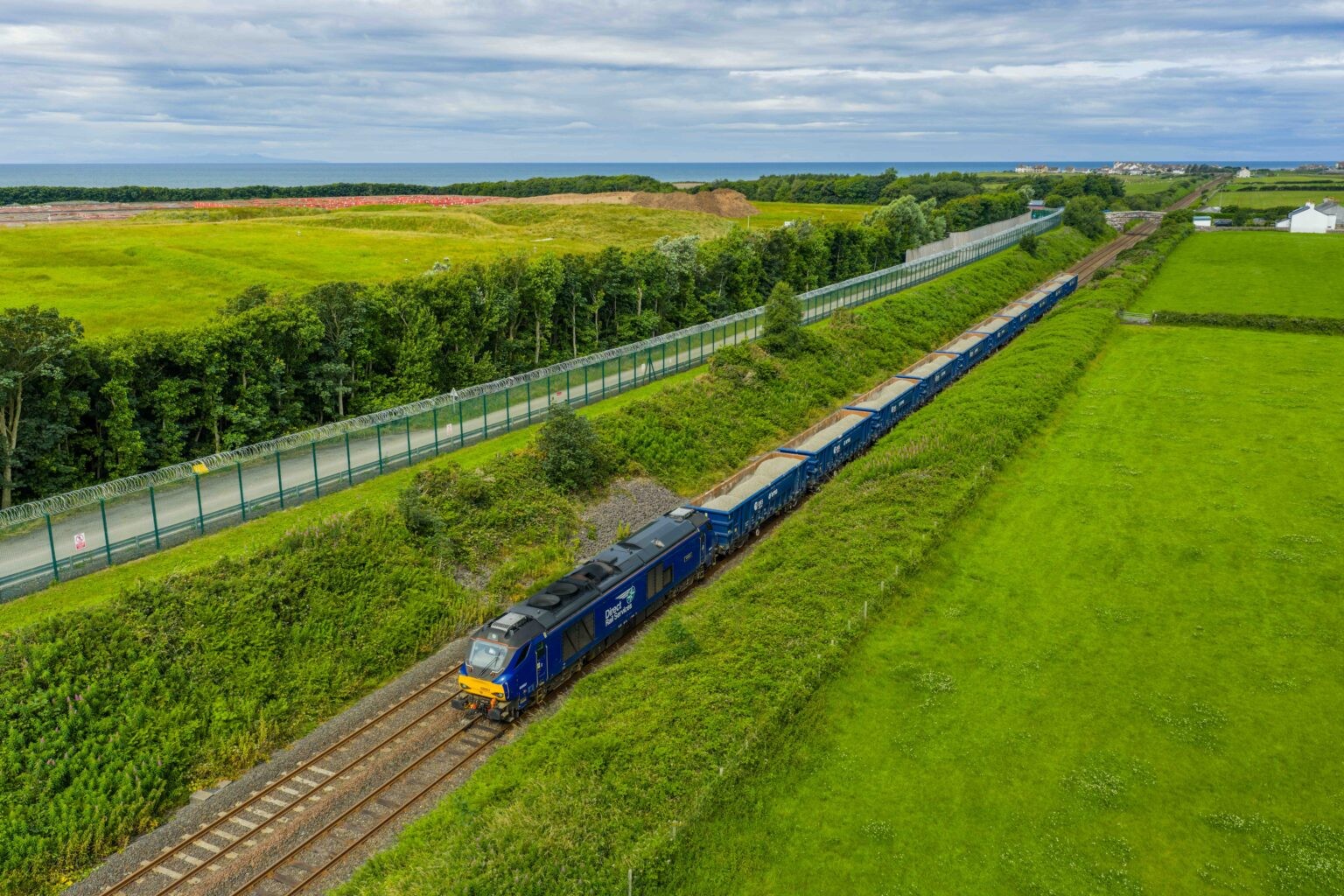
UK Low-Level Waste Disposal Site STIM Project Rail Transport Completed Ahead of Schedule
The Southern Trench Interim Membrane (STIM) project at the UK's Low Level Waste Repository in Cumbria has completed its final aggregate rail deliveries, with related deliveries completed approximately one month ahead of schedule. Nuclear Waste Services (NWS) is progressing with capping works at the site, implementing long-term management of trenches and vaults used decades ago for the disposal of low-level radioactive waste. The current focus is on replacing the protective membrane above the southern trenches. This membrane reduces rainwater infiltration into the waste areas below, helping to lower environmental risks and creating conditions for the subsequent final capping of the northern trenches. The STIM project requires substantial quantities of aggregate to be placed on the trench cover. Since February 2025...
2026-08-21
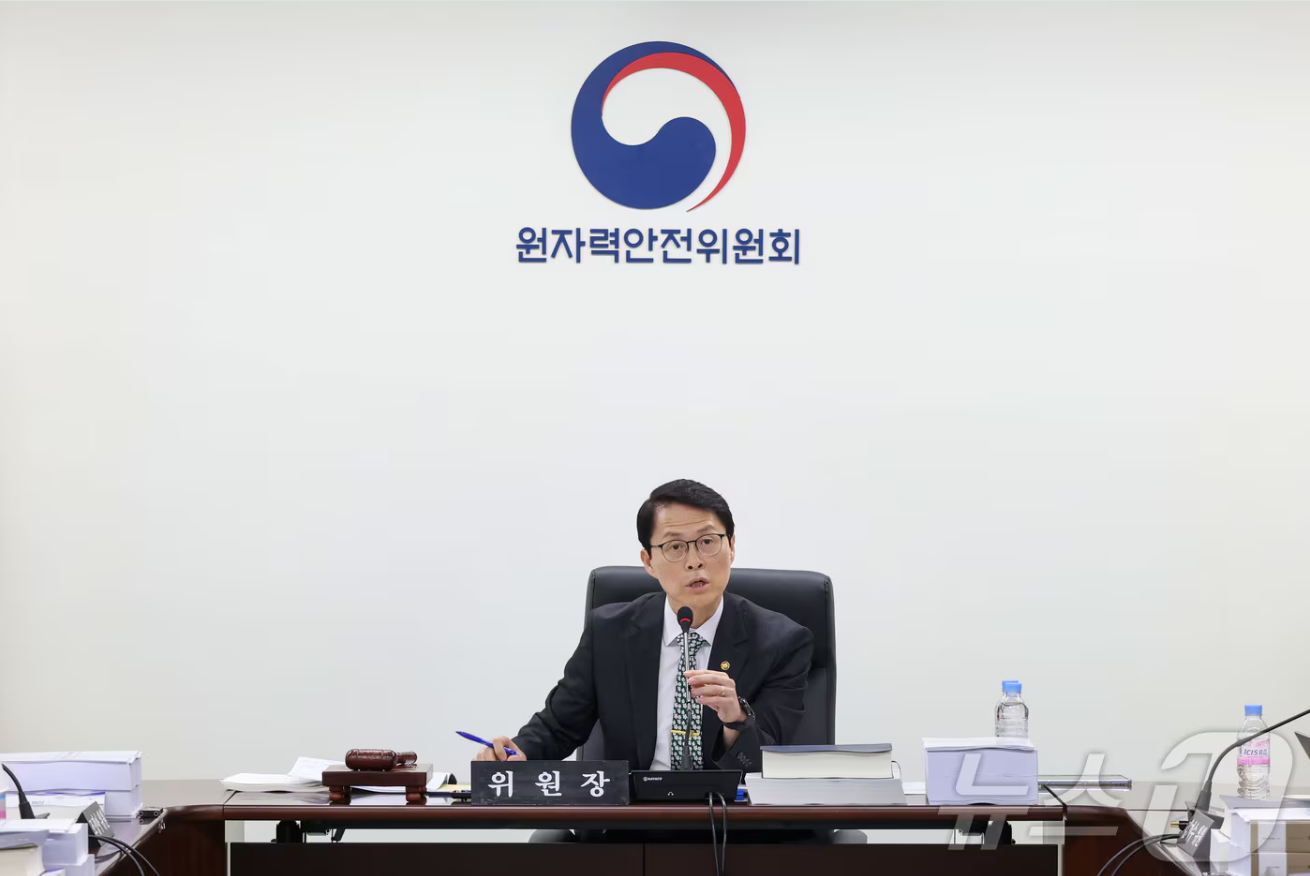
South Korea Approves License Amendment for Gyeongju Low- and Intermediate-Level Radioactive Waste Disposal Facility
The Nuclear Safety and Security Commission (NSSC) of South Korea announced on August 21 that it held its 12th meeting of 2026 in written form on August 20, reviewing and approving the license amendment for the construction and operation of the near-surface disposal facility for low- and intermediate-level radioactive waste operated by the Korea Radioactive Waste Agency (KORAD). The near-surface disposal facility is located in Munmu-daewang-myeon, Gyeongju-si, Gyeongsangbuk-do, and is the second-phase project of the Gyeongju low- and intermediate-level radioactive waste disposal facility. Near-surface disposal refers to the disposal of low- and intermediate-level radioactive waste in near-surface facilities, rather than in deep underground caverns. The facility completed its pre-operational inspection in March this year. This license amendment is primarily intended to update the safety analysis report...
2026-08-21
Reading Ranking
- 1 Russia's RADON advances pre-disposal work on radioactive waste at multiple sites
- 2 Director of the Division of Radiation, Transport and Waste Safety, Department of Nuclear Safety and Security, IAEA, Van den Howe, Visits the Nuclear and Radiation Safety Center of the Ministry of Ecology and Environment
- 3 Thailand Advances SMR Regulatory Preparedness to Strengthen Energy Security
- 4 T-Robotics to Participate in South Korea's Radioactive Waste Management Robot Demonstration Project
- 5 Daejeon, South Korea Ranks Second Nationwide in Low- and Intermediate-Level Radioactive Waste Storage, Spent Fuel Transfer Plan Still Not Implemented
- 6 Hitachioomiya City Assembly in Ibaraki Prefecture, Japan, discusses literature survey request for nuclear waste disposal site
- 7 Finland's Olkiluoto Spent Nuclear Fuel Final Disposal Facility Passes Regulatory Safety Assessment
- 8 Finland's Onkalo Spent Fuel Disposal Facility Starts Drilling of First Disposal Hole
- 9 Russian Researchers Develop High-Wear-Resistant Steel Sample for Nuclear Waste Processing
- 10 Takahama Nuclear Power Plant in Japan to Transport 1,600 Drums of Low-Level Radioactive Waste
- 11 Hitachiota City, Ibaraki Prefecture, Japan to Reconsider Literature Survey for Final Disposal Site of High-Level Radioactive Waste
- 12 Ukraine Advances Modernization of Odesa Radioactive Waste Management System
- 13 Lower likelihood of restart for Belgium's Doel 3 and Tihange 2 reactors
- 14 Japan nuclear waste, geological disposal, literature survey, Hitachiomiya City
- 15 Rosatom and Lomonosov Moscow State University to Co-Host Seminar on Radioactive Waste Safety Barriers