
Finland's Onkalo Spent Nuclear Fuel Final Disposal Facility Expected to Receive Operating License by Year-End
 Scan to share
Finland's spent nuclear fuel final disposal project has entered the critical stage of operating license review. The Radiation and Nuclear Safety Authority of Finland (STUK) issued a statement saying that the design and emergency response procedures of the Onkalo final disposal facility meet the safety requirements for granting an operating license. The Finnish government is expected to decide whether to approve the facility's operation before the end of the year.
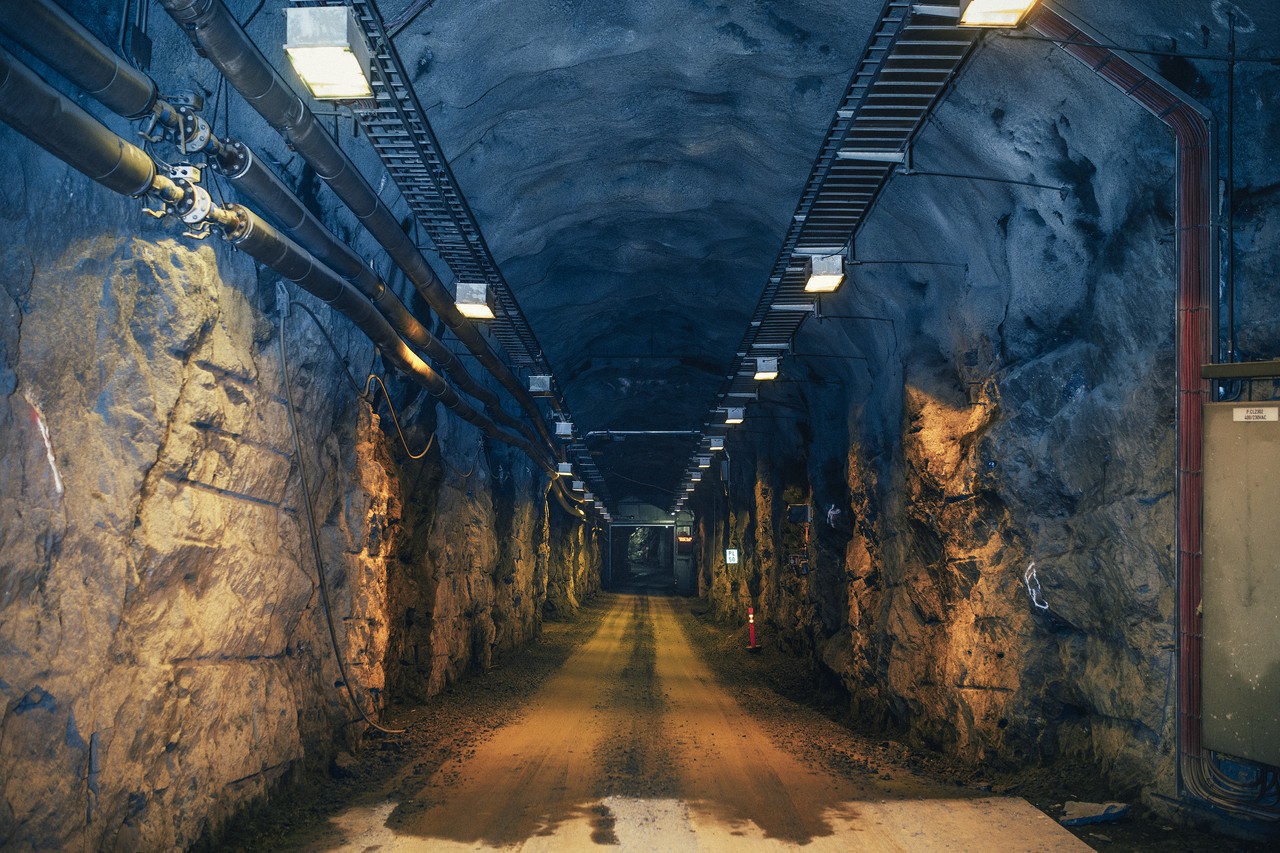
Onkalo is located on Olkiluoto Island in southwestern Finland. "Onkalo" means "cave" in Finnish. If licensed and operational, the facility will become the world's first deep geological final disposal facility for spent nuclear fuel from nuclear power plants, serving as a reference for other countries considering similar facilities.
According to the plan, spent nuclear fuel from Finland's nuclear power plants will be placed in specially designed containers and transferred to disposal shafts at depths of approximately 400 to 450 meters underground for long-term sealing, until its radioactivity drops to safe levels after about 100,000 years. The facility has a maximum designed disposal capacity of 6,500 tonnes, and the shafts will ultimately be sealed with clay materials.
Finland has been advancing the final disposal facility construction plan since 1983. The Finnish government believes that establishing a nuclear fuel disposal method is "the responsibility of the current generation that benefits from nuclear energy." At present, most countries still store spent nuclear fuel in temporary storage facilities, and only a few countries are advancing final disposal facility construction. Sweden and other countries have launched related programs; in some countries, site selection has progressed slowly due to local opposition.
Nuclear power accounts for approximately 40% of Finland's national electricity supply. Olkiluoto Island, where Onkalo is located, sits on bedrock formed approximately 1.9 billion years ago with low seismic activity, a geological condition considered conducive to enhancing long-term disposal safety. Local opposition has been relatively limited, which has also created favorable conditions for project advancement.
Posiva, the company responsible for the project, stated that even after obtaining the operating license, it will continue to improve safety measures. As a disposal project spanning an extremely long timescale, Onkalo's long-term safety management, facility monitoring, and information transmission will continue to attract attention.
The municipality of Eurajoki, where Onkalo is located, was selected as the candidate site for the disposal facility around 1999, and the municipal council passed the relevant site selection proposal the following year with 20 votes in favor and 7 against. Since then, Posiva has continuously informed residents about the project through public meetings and publications.
Vesa Lakaniemi, Mayor of Eurajoki, stated that information transparency and trust-building are crucial. He said that providing scientific knowledge and repeated communication form the foundation for gaining local understanding, and such a relationship cannot be built within one or two years. The locality receives over 20 million euros in tax revenue annually from the nuclear power plant, providing stable income for public services such as education and healthcare; however, he also emphasized that the local community must continue to supervise the government and the company and address issues arising during project implementation in a timely manner.
Disclaimer: Information republished from partner media, institutions or other websites is provided for reference and communication purposes only. It does not imply endorsement of its views or verification of its accuracy. Please contact us if any content infringes rights or requires correction.