
South Korea Approves License Amendment for Gyeongju Low- and Intermediate-Level Radioactive Waste Disposal Facility
 Scan to share
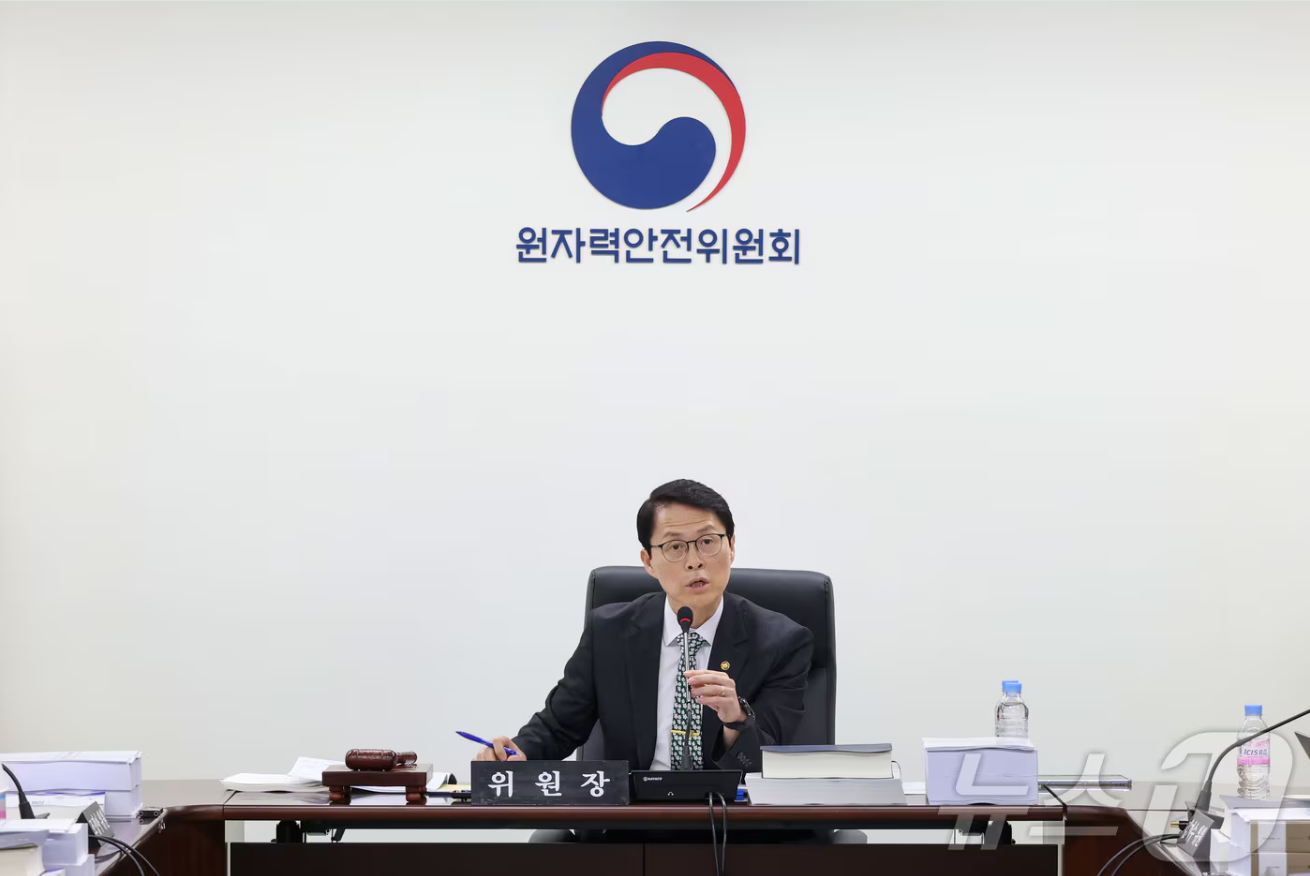
The Nuclear Safety and Security Commission (NSSC) of South Korea announced on August 21 that it held its 12th meeting of 2026 in written form on August 20, reviewing and approving the license amendment for the construction and operation of the near-surface disposal facility for low- and intermediate-level radioactive waste operated by the Korea Radioactive Waste Agency (KORAD).
The near-surface disposal facility is located in Munmu-daewang-myeon, Gyeongju-si, Gyeongsangbuk-do, and is the second-phase project of the Gyeongju low- and intermediate-level radioactive waste disposal facility. Near-surface disposal refers to the disposal of low- and intermediate-level radioactive waste in near-surface facilities, rather than in deep underground caverns. The facility completed its pre-operational inspection in March this year.
This license amendment is primarily intended to update the Safety Analysis Report (SAR) to reflect the completion of corrective actions from the pre-operational inspection, as-built drawings, and final detailed design content. The amendment comprises a total of 29 items, including 6 follow-up measures from the pre-operational inspection, 20 updates to as-built drawing information, and 3 items involving the installation of protected area fencing and adjustments to area information.
According to the amendment, the facility's seismic response threshold has been clearly set at 0.1g. When this threshold is exceeded, relevant structures and systems must undergo inspection, and an alarm system will be activated in the event of an earthquake. This threshold is one-third of the design basis earthquake of 0.3g and is consistent with the Operating Basis Earthquake (OBE) level for nuclear power plants.
Certain alarm functions of the Radiation Monitoring System (RMS) have also been adjusted. Since inspectors will directly verify instrument readings during radiation source detection tests, the automatic alarm function in the main control room has been removed. Additionally, to prevent gas leakage, erroneous statements regarding the operation of exhaust fans and exhaust dampers upon RMS alarms have been corrected: the exhaust fan has been changed from "start" to "stop," and the exhaust damper has been changed from "automatically open" to "automatically close."
The number of packages loaded per vehicle for radioactive waste transport has been adjusted from 12 drums to 10 drums. It has been confirmed that the maximum radiation dose rate at the driver's seat is 0.0193 mSv per hour, which is below the standard limit of 0.02 mSv per hour.
In addition, the specifications and layout of certain air conditioning equipment, such as circulation fans and dampers, as well as firefighting equipment-related drawings and general site layout, have been updated to reflect the actual as-built status.
The NSSC stated that, following a comprehensive review of the radiation controlled area, structures and facilities, ventilation and exhaust systems, firefighting facilities, and monitoring and control systems, it determined that the facility meets the licensing standards prescribed by South Korea's Nuclear Safety Act.
Disclaimer: Information republished from partner media, institutions or other websites is provided for reference and communication purposes only. It does not imply endorsement of its views or verification of its accuracy. Please contact us if any content infringes rights or requires correction.