
Search Results
Keyword:nuclear fuel cycle
U.S. NANO Nuclear and Enveniam to Advance Microreactor and Nuclear Fuel Cycle Cooperation
U.S. advanced nuclear energy company NANO Nuclear Energy Inc. announced on September 4 that it has signed a non-binding memorandum of understanding with Enveniam, LLC, a project integration and engineering technology services provider, to explore cooperation in areas such as nuclear fuel cycle infrastructure, microreactor commercialization, advanced manufacturing, and end-user energy solutions. Under the MOU, the parties will evaluate how to leverage Enveniam's experience in nuclear engineering, project integration, safety analysis, licensing support, project controls, operational readiness, and complex energy infrastructure development to support NANO Nuclear...
2026-09-05
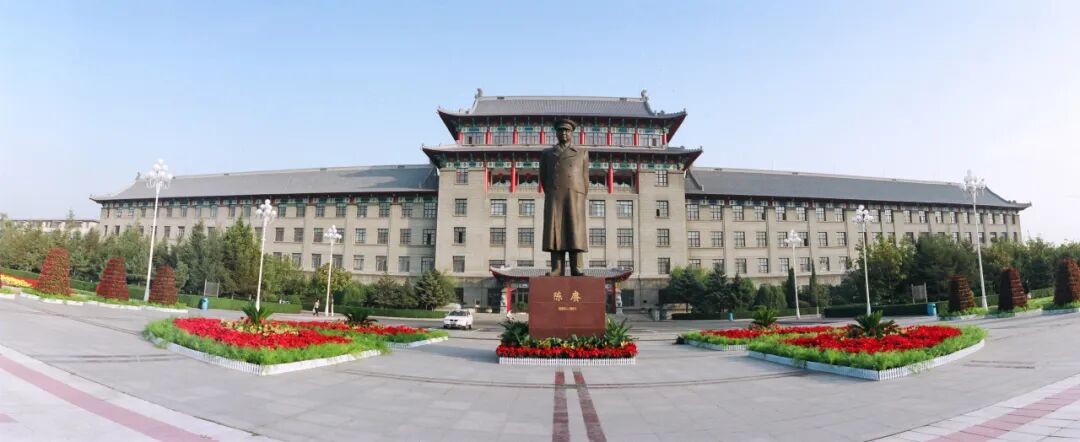
Harbin Engineering University Establishes Research Institute for Spent Fuel Reprocessing and Advanced Materials
On August 31, the inauguration ceremony of the Research Institute for Spent Fuel Reprocessing and Advanced Materials at Harbin Engineering University was held at the university's Qihang Activity Center. More than 150 participants attended the meeting, including academicians and experts in the field of nuclear science and technology, representatives from industry and enterprises, peer institutions, and alumni. The newly established institute will address the needs of nuclear energy safety assurance and sustainable development by integrating the university's advantageous disciplinary resources in nuclear science, materials, and chemical engineering, focusing on breakthroughs in spent fuel reprocessing processes, advanced materials development, and related key core technologies, while promoting the coordinated development of basic research, technological breakthroughs, and commercialization of research outcomes. At the meeting, several attending experts noted that spent fuel reprocessing is a critical part of the nuclear f...
2026-09-01
U.S. NRIC Selects 13 Nuclear Energy Launch Pad Projects
The U.S. Department of Energy (DOE)'s National Reactor Innovation Center (NRIC) announced on August 24 that 13 new projects have been selected for the Nuclear Energy Launch Pad program. NRIC is based at Idaho National Laboratory (INL). NRIC Director Brad Tomer stated that this round of selections reflects developers' growing commitment to advancing related technologies. The program will provide companies with a priority pathway to DOE authorization, as well as access to expert resources, facility conditions, and targeted regulatory support to adv...
2026-08-26
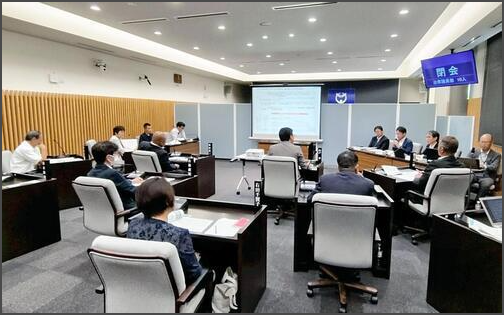
Japan Explains Plan for Spent Fuel Interim Storage Facility in Kaminoseki Town
Japan's Agency for Natural Resources and Energy recently held an explanatory meeting with the Kaminoseki Town Assembly regarding the Chugoku Electric Power Company's plan to construct a spent fuel interim storage facility in Kaminoseki Town, Yamaguchi Prefecture. The briefing covered the Japanese government's nuclear fuel cycle policy, facility safety, and related subsidy systems. The meeting was held on the 19th at the Kaminoseki Town Assembly. Previously, the Japanese government had decided to revise guidelines related to nuclear energy policy and included the Kaminoseki Town spent fuel interim storage facility plan within them. At the meeting, the Agency for Natural Resources and Energy stated that interim storage facilities are essential to supporting...
2026-08-23
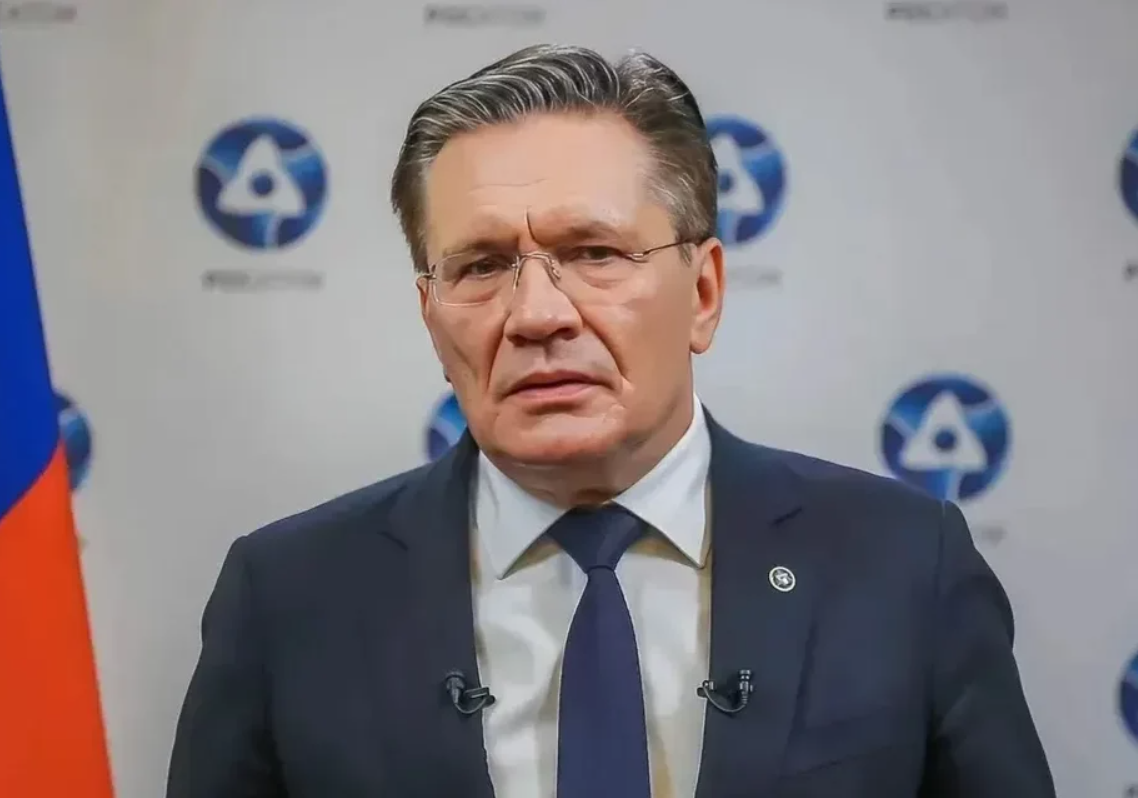
Rosatom Says Seversk Fast Reactor Project Will Demonstrate Russia's Nuclear Technology Capabilities
Rosatom Director General Alexey Likhachev said that if the nuclear power project under construction in Seversk, Tomsk Oblast, is put into operation before 2030, it will demonstrate Russia's capabilities in new nuclear technologies
2026-08-21
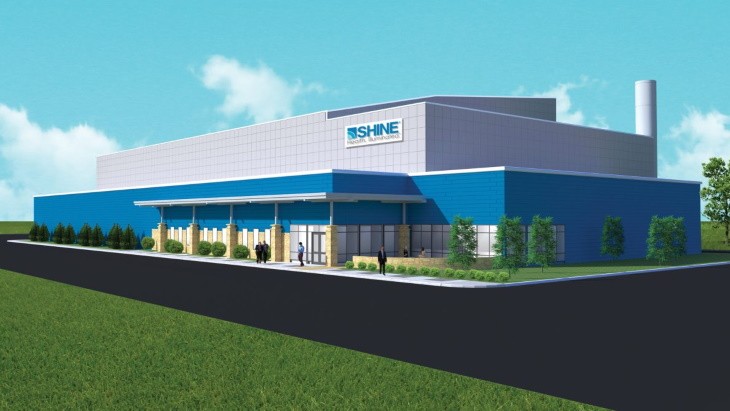
SHINE Advances Commercial Spent Fuel Recycling Facility Construction
U.S. electricity demand is growing at a rate rarely seen in decades, and nuclear energy is considered one of the key options to meet the incremental demand. Meanwhile, the current open nuclear fuel cycle still treats spent fuel primarily as single-use waste, failing to fully utilize most of the energy potential that remains within it. SHINE Technologies is developing spent fuel recycling technologies and plans to build a facility with spent fuel recycling capabilities. The company stated that multiple collaborations funded by the U.S. Department of Energy's Advanced Research Projects Agency-Energy (ARPA-E) CURIE program are advancing the work from validated laboratory-scale chemical processes toward commercial scale...
2026-08-19

ASP Isotopes Subsidiary Evaluates Metal Hydrofluorination and Fluorination Project in Namibia
ASP Isotopes Inc. recently announced that its wholly-owned subsidiary, Quantum Leap Energy LLC, is evaluating metal conversion opportunities in Namibia, with work focusing on technologies and processes required for critical stages of the fission and fusion nuclear fuel cycles. According to the disclosure, the evaluation includes plans to construct a pilot-scale hydrofluorination and fluorination facility in the Walvis Bay area of Namibia. Public environmental and social impact assessments and consultation procedures for the project have already been initiated. The proposed facility will be used to develop, test, and demonstrate metal hydrofluorination and fluorination processes. In accordance with Namibian regulatory requirements, relevant public consultation notices have been published through customary local channels. The company...
2026-08-19
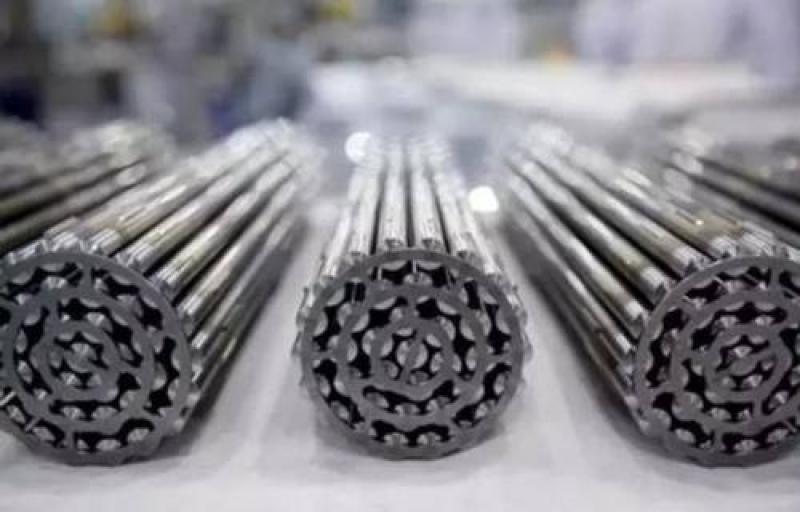
Kazakhstan Advances Nuclear Fuel Cycle from Resource Development to High-Value-Added Manufacturing
Kazakhstan is advancing its nuclear fuel cycle industry from natural uranium mining toward deep processing and high-tech product manufacturing. As one of the world's major natural uranium producers, Kazakhstan has in recent years not only maintained its advantage in resource development but also continued to build capacity in uranium conversion, nuclear fuel component manufacturing, scientific research capabilities, and professional workforce training. The nuclear fuel cycle encompasses the entire process of nuclear materials, from uranium ore mining and processing, to fuel use in reactors, and to the management of spent fuel and radioactive waste. Depending on the technical route, relevant stages may include uranium mining and processing, conversion, isotope enrichment, fuel pellet fabrication, fuel assembly production, and spent fuel storage...
2026-08-13
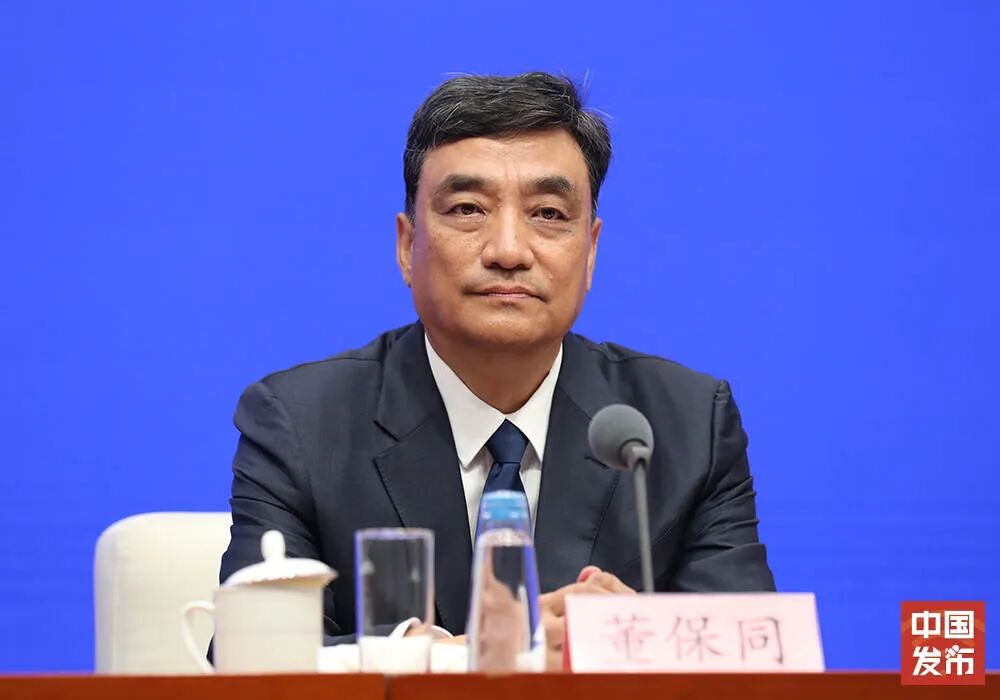
Dong Baotong, Director of the National Nuclear Safety Administration: China's nuclear safety level remains among the top internationally, and during the "15th Five-Year Plan" period, the number of operating nuclear power units in China will rank first in the world
The State Council Information Office held a series of press conferences on August 13 themed "Starting the '15th Five-Year Plan' with a Strong Beginning," introducing the progress of comprehensively advancing the construction of a Beautiful China. Dong Baotong, Vice Minister of Ecology and Environment and Director of the National Nuclear Safety Administration, stated at the conference that ecological environment safety encompasses several key aspects, including ecological security, nuclear safety, and environmental risk prevention and control. The Ministry of Ecology and Environment serves as the lead coordinating body for both the national ecological security work coordination mechanism and the nuclear safety work coordination mechanism. Over the years, together with relevant departments, we have actively responded to various risks and challenges, effectively safeguarding the bottom line of ecological environment safety. Among these, in the area of nuclear safety, we have consolidated the primary responsibility of nuclear facility operators...
2026-08-13
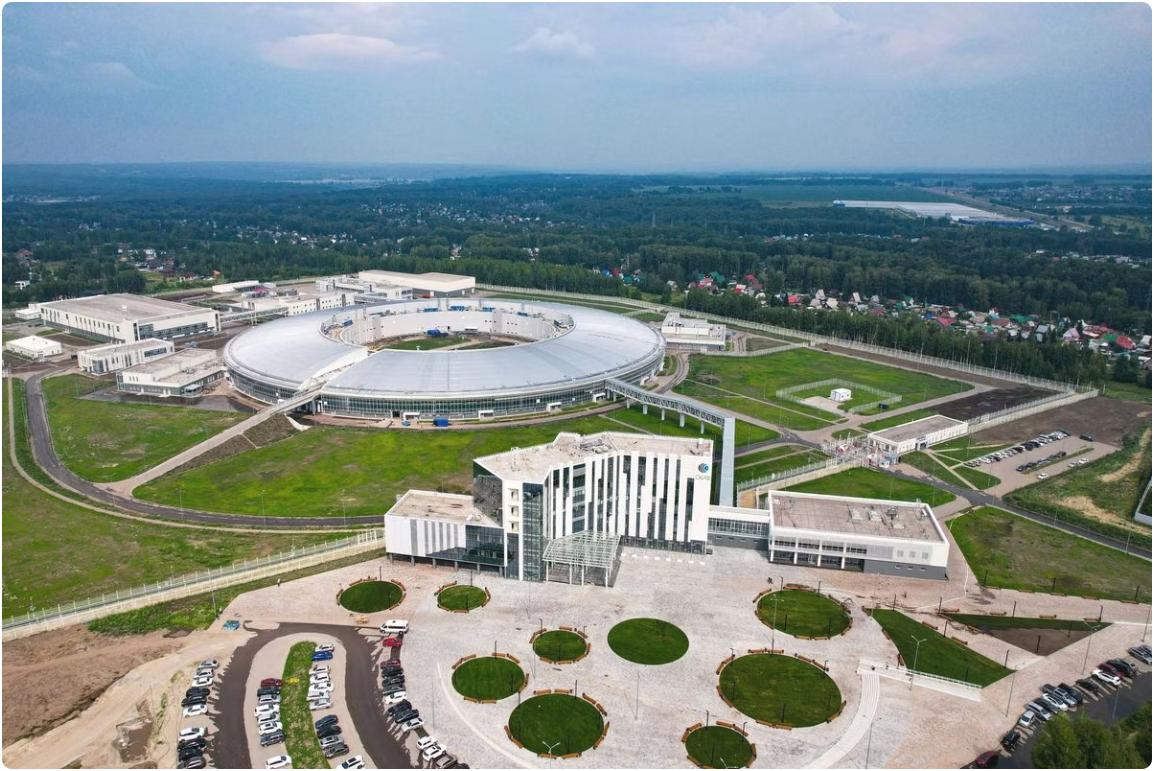
First batch of experimental stations at Russia's Siberian Circular Photon Source expected to be operational by end of 2026
On August 11, Russian President Vladimir Putin stated at a meeting of the Council for Science and Education that the first research stations of the Siberian Circular Photon Source (SKIF) synchrotron are expected to be commissioned by the end of 2026. At the meeting, Putin noted that the Siberian Circular Photon Source is currently one of the world's most powerful particle accelerators, with some parameters being unique, capable of helping researchers conduct in-depth studies of the structure of matter at the atomic and molecular levels. He also stated that Russia needs to accelerate the development of future technologies, concentrate efforts on priority tasks, and make more efficient use of national strategic scientific resources, including research institutions, advanced digital computing resources, and unique biological resources. The Siberian Circular Photon...
2026-08-12
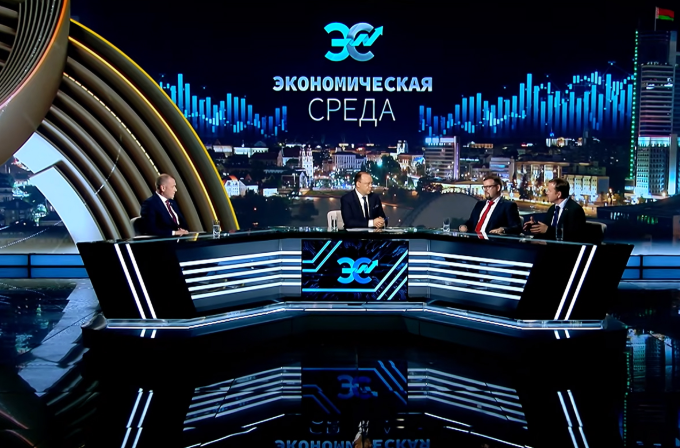
Belarusian NPP safe operation period may be extended to 100 years, with first spent fuel to be shipped to Russia for reprocessing in 2034
Stanislav Levitsky, head of the Rosatom representative office in Belarus, stated on the "Economic Environment" program of Belarusian TV Channel One that Belarusian nuclear energy development is backed by comprehensive safety assurances. He emphasized that while nuclear facilities can indeed have serious consequences if mismanaged, under the existing risk control system and modern technological support at the Belarusian NPP, nuclear power can become a low-cost, stable, and safe energy source. Levitsky believes that amid intense competition in the energy sector, some irresponsible players may use information tactics to create anxiety and attempt to provoke panic among the public...
2026-08-10
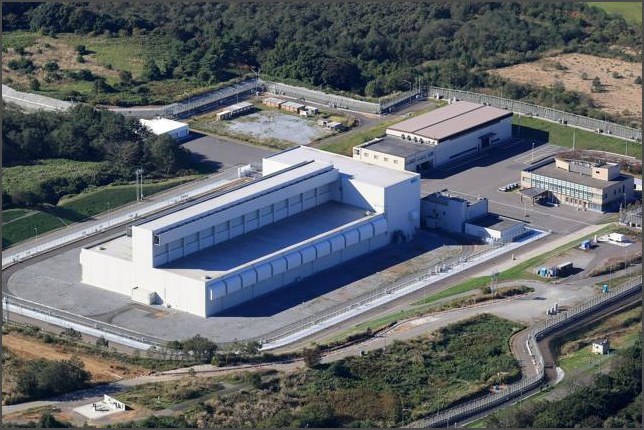
Mutsu City Requests Submission of Revised Plan for 5,000-Ton Transport to Spent Fuel Interim Storage Facility
On August 7, Tomoya Yamamoto, Mayor of Mutsu City, Aomori Prefecture, Japan, met with representatives of Recycle Fuel Storage (RFS) and its co-investors Tokyo Electric Power Company Holdings (TEPCO HD) and Japan Atomic Power Company (JAPC), requesting the three parties to submit a revised mid-to-long-term spent nuclear fuel transport plan, with consideration given to inter-operator cooperation. The plan may involve accepting spent nuclear fuel from other electric power companies. The facility in question, located in Mutsu City, Aomori Prefecture, is currently Japan's only interim spent fuel storage facility situated outside a nuclear power plant site. Under the existing siting agreement, the facility's acceptance scope...
2026-08-08

Seoul National University NEXFO Workshop: Exploring Sustainable Solutions for SMR and MMR
On August 7, the Nuclear Policy Center at Seoul National University's Institute for Future Nuclear Energy Policy announced that it will host the Nuclear Energy Sustainability NEXFO Workshop on the afternoon of September 16 at the Seoul National University Global Engineering Education Center. The event, coinciding with the center's 10th anniversary, is themed "Embracing the Era of Full-Scale SMR and MMR Deployment" and will discuss the policy, industrial, and technological conditions for the commercialization of small modular reactors and micro modular reactors. The workshop will first revisit the public discourse framework on nuclear energy sustainability, and analyze global nuclear fuel cycle trends as well as the domestic challenges facing South Korea. As SMRs and MMRs transition from technology demonstration to practical application, nuclear fuel...
2026-08-07

Curio, NuScale and Framatome Sign MOU to Advance Next-Generation Nuclear Fuel Cycle Solutions
Curio, NuScale Power and Framatome Inc. recently signed a strategic memorandum of understanding to jointly evaluate integrated nuclear fuel solutions aimed at strengthening the U.S. nuclear fuel supply chain and supporting the international nuclear energy market and the deployment of next-generation nuclear technologies. Under the agreement, the three parties will conduct evaluations centered on Curio's proprietary NuCycle recycling technology, focusing on the conversion pathways of recyclable nuclear materials from "source to product" and from "source to fuel." The collaboration also encompasses future engineering coordination, fuel development, fuel qualification, manufacturing and commercialization, as well as advancing the integration of nuclear supply chain-related segments...
2026-08-07
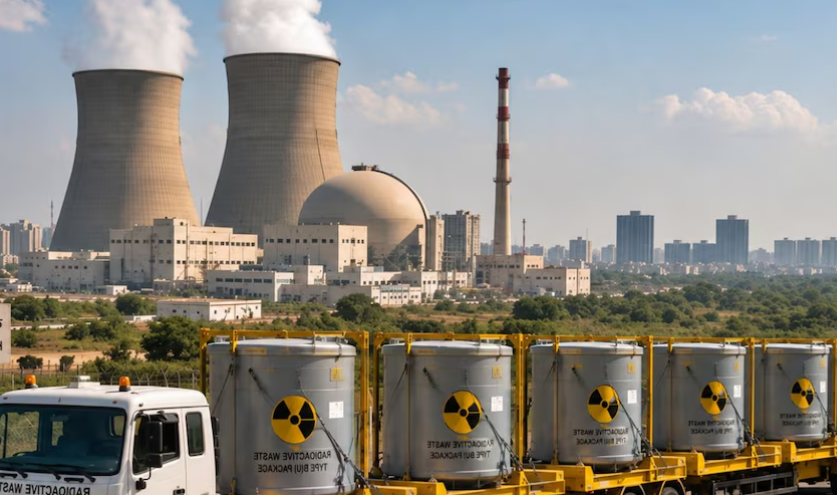
Behind India's Nuclear Power Expansion: Where Does Radioactive Waste Go? Government Details Management Process in Parliament for First Time
India is rapidly advancing its nuclear power expansion, but the safe disposal of radioactive waste is the least-publicized challenge. The government has for the first time detailed in Parliament how it handles hazardous waste. In a written reply, the Department of Atomic Energy disclosed that all nuclear power plants in India generate an average of 0.15 cubic meters (approximately 150 liters) of solid radioactive waste per megawatt (MW) of capacity annually, including waste from operational and decommissioning phases, equivalent to about 1.5 household bathtubs in volume; radioactive waste quantities and disposal records are regularly reported to the Atomic Energy Regulatory Board (AERB). The operation and maintenance of nuclear power plants generate various types of radioactive waste, including spent filter cartridges, protective clothing, tools, equipment, and other items that come into contact with radioactive materials. Waste is categorized into gaseous...
2026-08-03